


Server rack shelves play a crucial role in organizing and optimizing server rooms. These shelves provide a stable platform for mounting and securing equipment, ensuring efficient use of space and easy access to hardware. Sliding rack shelves, in particular, have become indispensable in modern server rooms due to their flexibility and convenience. They allow IT professionals to access equipment effortlessly, perform maintenance tasks efficiently, and maximize the functionality of server racks without compromising on organization or accessibility.
Key Challenges in Server Room Management
Limited Space and Accessibility Issues
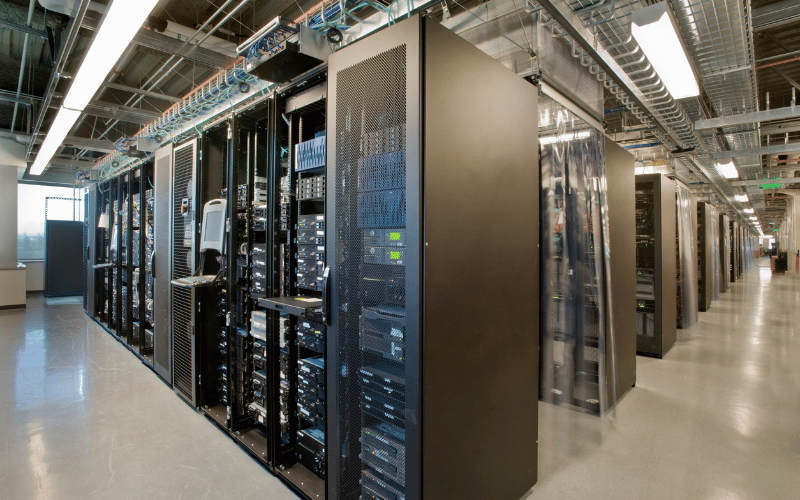
Server rooms are often constrained by limited physical space, making it challenging to accommodate all necessary equipment while maintaining an organized layout. Overcrowded racks can lead to inefficient use of available space, leaving little room for future expansion or upgrades. Accessibility becomes a significant issue in such setups, as technicians may struggle to reach hardware located at the back of racks or in tight corners. This lack of access can slow down routine maintenance tasks, such as replacing faulty components or managing cables, leading to extended downtime. Additionally, cramped conditions increase the likelihood of accidental damage to equipment during adjustments, as technicians may inadvertently disturb other components while working in confined spaces.
Common Problems with Fixed Shelves
Fixed shelves, though reliable for holding equipment, present several challenges in dynamic server environments. Their rigid design makes it difficult to access devices stored deep within the rack, often requiring technicians to dismantle or remove entire units to perform simple tasks like cable adjustments or hardware inspections. This process not only consumes valuable time but also increases the risk of damaging sensitive components during the handling process. Furthermore, fixed shelves lack the adaptability needed to accommodate varying equipment sizes or configurations, making them unsuitable for server rooms that frequently upgrade or reconfigure their hardware. As server technology evolves, the inability of fixed shelves to meet these changing demands can hinder operational efficiency and limit the scalability of the server room.
Advantages of Sliding Rack Mount Shelves
Streamlined Equipment Access: How Sliding Shelves Simplify Maintenance and Upgrades
Sliding rack mount shelves revolutionize equipment access by allowing technicians to pull out hardware effortlessly, even in densely packed server racks. This feature eliminates the need to dismantle or remove other components, significantly reducing the time required for routine maintenance, hardware upgrades, or troubleshooting. For example, when replacing a faulty hard drive or inspecting a server, the sliding mechanism ensures that the task can be completed without disrupting adjacent equipment. This ease of access not only accelerates workflows but also minimizes the risk of accidental damage to sensitive components, which is common when working in cramped or static setups. In high-pressure environments where downtime can be costly, sliding shelves provide a practical solution to maintain operational efficiency.
Improved Server Organization: Keeping Hardware Tidy and Accessible
Sliding shelves contribute to a more organized and efficient server room by offering dedicated spaces for each piece of equipment. This structured approach ensures that hardware remains securely mounted and easily accessible, reducing the likelihood of misplaced or improperly installed devices. For instance, servers, switches, and other critical components can be arranged systematically, making it easier to identify and access specific units when needed. Additionally, the ability to slide shelves out for inspection or adjustments prevents the need to disrupt the overall organization of the rack. A well-organized server room not only enhances day-to-day operations but also simplifies inventory management and reduces the time spent searching for specific equipment during emergencies.
Enhanced Cable Management: Reducing Clutter and Preventing Cable Damage
Sliding shelves play a crucial role in maintaining effective cable management, a common challenge in server rooms. By allowing easy access to the rear of devices, these shelves enable technicians to organize, adjust, or replace cables without disturbing other components. This reduces the risk of tangled or cluttered wires, which can obstruct airflow and lead to overheating. Proper cable management also prevents unnecessary strain on connectors, reducing wear and tear and extending the lifespan of both cables and equipment. For example, in a server room with multiple racks, sliding shelves make it easier to implement structured cabling systems, ensuring that power and data cables remain neatly routed and labeled. This not only improves the overall aesthetics of the server room but also enhances its functionality by reducing troubleshooting time and preventing accidental disconnections.

Types of Sliding Rack Shelves
1U Sliding Rack Mount Shelves: Best for Compact Setups
1U sliding rack mount shelves are specifically designed for server rooms where space is at a premium. These shelves occupy just one rack unit (1.75 inches in height), making them ideal for compact setups that require efficient use of vertical space. Despite their slim profile, 1U shelves provide sufficient support for lightweight equipment such as network switches, patch panels, or small servers. The sliding mechanism allows technicians to pull out the shelf smoothly, granting easy access to devices for maintenance or upgrades without disrupting the organization of the rack. This feature is particularly beneficial in environments where frequent adjustments are necessary, as it minimizes downtime and ensures that even the most compact server rooms remain functional and organized.

19-Inch Sliding Shelves: Ideal for Larger Server Cabinets
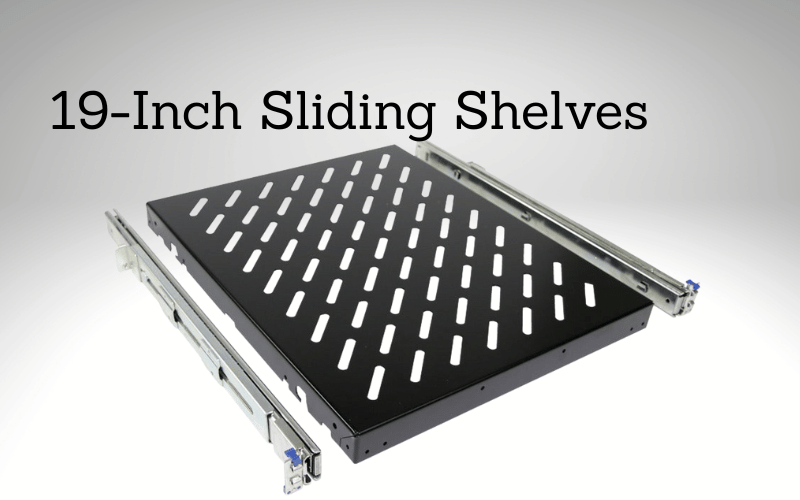
19-inch sliding shelves are the standard choice for larger server cabinets, offering a versatile solution for housing a wide range of equipment. These shelves are designed to fit the industry-standard 19-inch rack width, making them compatible with most server cabinets. They provide ample surface area to accommodate various devices, from mid-sized servers to storage units, while maintaining easy accessibility. The sliding feature simplifies hardware adjustments, allowing technicians to pull out equipment for inspection, upgrades, or repairs without the need to remove other components. This design not only saves time but also reduces the risk of accidental damage during maintenance. Additionally, 19-inch shelves often come with adjustable mounting brackets, ensuring a secure fit in racks of varying depths, which makes them a practical choice for dynamic IT environments.
Specialized Shelves for Unique Needs: Adjustable and Heavy-Duty Options
For server rooms with unique requirements, specialized sliding shelves offer tailored solutions to meet specific challenges. Adjustable shelves are highly versatile, as they can be customized to fit non-standard equipment dimensions. This flexibility is particularly useful for housing irregularly shaped devices or integrating new hardware into existing setups. Heavy-duty sliding shelves, on the other hand, are engineered to support larger and heavier equipment, such as high-capacity storage arrays or power distribution units. These shelves are built with reinforced materials and higher weight capacities, ensuring stability and durability even in demanding environments. Some heavy-duty models also feature locking mechanisms to prevent unintentional movement, adding an extra layer of security. By catering to diverse needs, these specialized shelves enhance the functionality and adaptability of any server room, making them an essential component for modern IT infrastructure.
How to Choose the Right Sliding Rack Shelf
Weight Capacity and Durability: Ensuring Shelves Can Handle Your Equipment
When selecting a sliding rack shelf, it’s crucial to consider the weight of the equipment it will support. Each shelf comes with a specified weight capacity, and exceeding this limit can lead to instability, sagging, or even structural failure. For example, lightweight shelves may suffice for smaller devices like network switches, but heavier equipment such as servers or storage arrays will require heavy-duty shelves with reinforced construction. Look for shelves made from durable materials like cold-rolled steel or reinforced aluminum, as these provide the strength needed for long-term reliability. Additionally, consider the operational environment—server rooms with high activity levels or frequent hardware changes demand shelves that can withstand repeated use without compromising their structural integrity.
Compatibility with Server Cabinets: Avoiding Mismatched Dimensions
Compatibility is another critical factor when choosing a sliding rack shelf. Most server cabinets adhere to the industry-standard 19-inch width, but depth and mounting configurations can vary significantly. Measure your cabinet’s internal dimensions carefully to ensure the shelf fits properly. Adjustable shelves are an excellent option for non-standard setups, as they can be customized to accommodate varying depths or unique hardware requirements. Also, check the mounting style—some shelves use square-hole racks, while others are designed for round-hole or threaded racks. Ensuring compatibility not only prevents installation issues but also maximizes the efficiency and functionality of your server cabinet.
Ease of Installation and Maintenance: Features to Look For
A well-designed sliding rack shelf should simplify both installation and ongoing maintenance. Look for shelves with pre-drilled mounting holes and universal brackets, as these features make the installation process faster and more straightforward. Tool-free adjustment options are particularly valuable, allowing you to reposition or secure the shelf without the need for specialized equipment. Smooth sliding mechanisms are essential for maintenance tasks, as they enable technicians to access hardware quickly and effortlessly. Some shelves also include locking mechanisms to keep the shelf securely in place when extended, reducing the risk of accidental movement during repairs or upgrades. By prioritizing these features, you can ensure that your sliding rack shelf not only meets your immediate needs but also supports efficient operations in the long run.
Best Practices for Server Rack Setup
Strategic Placement of Sliding Shelves: Maximizing Accessibility and Airflow
Proper placement of sliding shelves within a server rack is essential for both accessibility and performance. Start by positioning heavier equipment, such as servers or power distribution units, on the lower shelves to maintain rack stability and prevent tipping. Place lighter devices, like network switches or patch panels, on higher shelves to balance the load. For frequently accessed equipment, position it at eye level or within easy reach to minimize strain and speed up maintenance tasks. Ensure there is adequate spacing between shelves to allow for proper airflow, as overcrowding can obstruct ventilation and lead to overheating. Using perforated shelves or racks with built-in airflow management features can further enhance cooling efficiency, ensuring optimal performance and extending the lifespan of your equipment.
Efficient Server Room Design Tips: Balancing Space, Cooling, and Cable Management
An efficient server room design requires careful planning to balance space utilization, cooling, and cable management. Begin by arranging racks in a hot and cold aisle configuration, where the fronts of racks face each other in one aisle (cold aisle) and the backs face each other in the next (hot aisle). This setup improves airflow by directing cool air to equipment intakes and channeling hot air away from exhausts, reducing cooling costs and preventing thermal issues. Sliding shelves play a key role in this design by allowing easy access to the rear of devices for cable adjustments or replacements. Use cable management accessories like Velcro ties, cable trays, and labeling systems to keep cables organized and prevent tangling. Neatly routed cables not only improve airflow but also make troubleshooting faster and more efficient, reducing downtime during critical operations.
Maintaining Easy Access in Server Cabinets: Ensuring Smooth Operations During Emergencies
Maintaining easy access to equipment in server cabinets is vital for smooth operations, especially during emergencies. Sliding shelves should operate smoothly and extend fully to provide technicians with unobstructed access to hardware. Regularly inspect the sliding mechanisms for wear and tear, and lubricate them as needed to prevent jams or malfunctions. Consider installing locking mechanisms on shelves to keep them secure when extended, reducing the risk of accidental movement during repairs. Keep essential tools, spare parts, and documentation, such as wiring diagrams or equipment manuals, within arm’s reach to streamline troubleshooting. In high-pressure situations, such as hardware failures or power outages, these practices ensure that technicians can respond quickly and effectively, minimizing downtime and maintaining business continuity.
Frequently Asked Questions
Q: What are the benefits of a sliding rack shelf in a server rack setup?
A: A sliding rack shelf improves accessibility by allowing system administrators to quickly access equipment like servers and networking devices without fully removing them from the rack. This is especially valuable in data centers where space is limited, and efficient management is essential for smooth operations.
Q: How does a sliding shelf improve cable management in a server cabinet?
A: Sliding shelves often include features that help organize cables, such as built-in cable management brackets or tie points. These features reduce clutter, minimize the risk of accidental disconnections, and ensure cables remain neatly arranged. Proper cable management also improves airflow, helping equipment operate efficiently and stay cool.
Q: What is the weight capacity of a standard sliding rack shelf?
A: The weight capacity of a sliding rack shelf varies by model, but most can support between 50 and 100 pounds of equipment. Always choose a shelf that meets or exceeds the weight requirements of your servers and networking gear to ensure safe and reliable operation.
Q: Are there adjustable options for rack mount sliding shelves?
A: Yes, many sliding shelves offer adjustable depth settings, making them compatible with a variety of server rack types. This adjustability ensures the shelf can fit different rack dimensions and securely hold equipment in place.
Q: How does a sliding shelf contribute to proper airflow in a server rack?
A: Sliding shelves allow easy access to equipment without blocking ventilation paths. By keeping airflow unobstructed, they help prevent overheating and ensure all devices receive adequate cooling, which is critical for maintaining optimal performance in server environments.
Q: Can a sliding shelf be used in both 1U and 19-inch rack setups?
A: Yes, sliding shelves are available in various sizes, including 1U options that fit standard 19-inch racks. To maximize their benefits, ensure the shelf is compatible with your rack’s dimensions and mounting style.
Q: How does using a sliding shelf make server management easier?
A: A sliding rack shelf simplifies server management by providing quick and convenient access to critical components like hard drives, patch panels, and power supplies. This ease of access streamlines routine maintenance, upgrades, and troubleshooting, saving valuable time for system administrators.
Q: What features should I look for in a quality rack mount sliding shelf?
A: Look for features like tool-less installation, adjustable rails for compatibility with different rack depths, and a durable sliding mechanism. These features make installation easier, improve functionality, and ensure the shelf can handle the demands of a busy server environment.
Concluding Summary
Sliding rack shelves are more than just a convenience—they are a necessity for modern server rooms. By addressing common challenges like limited space, poor accessibility, and inefficient cable management, these shelves enhance the functionality and organization of server environments. Whether you’re working with compact setups or large-scale server cabinets, sliding shelves provide tailored solutions, from 1U designs to heavy-duty options. Choosing the right shelf involves considering weight capacity, compatibility, and ease of maintenance, while best practices like strategic placement and efficient room design ensure optimal performance. With their ability to simplify maintenance, improve organization, and support scalability, sliding rack shelves are an indispensable tool for any IT professional looking to future-proof their server room.
