


Effective server rack management encompasses comprehensive equipment arrangement, adequate air circulation, and maintaining an orderly and aesthetically pleasing appearance. A 1U metal filler panel or blanking panel is an example of a straightforward yet crucial device that prevents airflow obstruction in server racks by covering gaps. This blog will analyze why 1U metal filler panels should be an integral component of every server room, discussing their functionality and advantages.
Understanding Server Rack Blanking Panels
What is a Filler Panel?
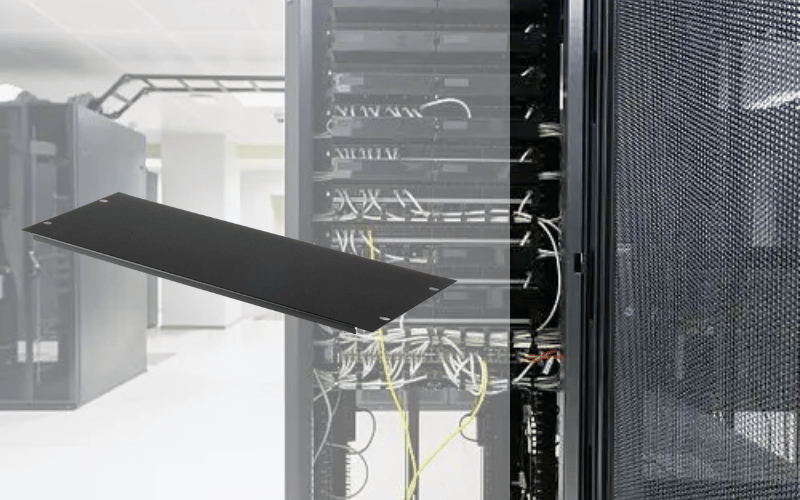
A filler panel, also known as a blanking panel, is a flat piece of material designed to cover unused spaces in a server rack. These panels are typically installed in empty rack units (U) to maintain a clean and organized appearance while serving critical functional purposes. Filler panels are available in various sizes, with the most common being 1U, 2U, and 3U, where “U” represents the height of the panel in rack units.
Beyond aesthetics, blanking panels play a vital role in optimizing airflow within the server rack. When empty spaces are left uncovered, cool air can escape through these gaps instead of flowing through the installed equipment. This disrupts the cooling system’s efficiency, leading to potential overheating and increased energy consumption. By installing filler panels, airflow is directed more effectively, ensuring that cool air reaches the active equipment and hot air is adequately expelled.
Additionally, blanking panels help protect the internal components of the server rack from dust and debris. Open spaces in the rack can allow contaminants to accumulate, potentially damaging sensitive equipment over time. Filler panels act as a barrier, reducing the risk of contamination and prolonging the lifespan of the hardware.
Types of Blanking Panels
Blanking panels come in various types, each designed to meet specific needs and preferences. Understanding the different options can help you select the ideal panel for your server rack setup.
-
Plastic Blanking Panels: These are lightweight and cost-effective options, making them ideal for smaller setups or environments with limited budgets. Plastic panels are easy to install and remove, often featuring snap-in designs that require no additional tools. However, they may not be as durable as metal panels and are better suited for less demanding applications.
-
Metal Blanking Panels: Metal panels, typically made from steel or aluminum, offer superior durability and strength. They are ideal for high-performance server racks that require robust solutions to withstand heavy use. Metal panels are often secured with screws, providing a more stable and secure fit compared to plastic alternatives.
-
Perforated Blanking Panels: These panels feature small holes or perforations that allow some airflow while still covering empty spaces. Perforated panels are useful in setups where partial ventilation is needed, such as in racks with mixed cooling requirements.
-
Tool-Less Blanking Panels: Designed for convenience, tool-less panels can be installed and removed without the need for screws or additional tools. These panels are essential in dynamic environments where rack configurations frequently change.
-
Customizable Panels: Some manufacturers offer customizable blanking panels that can be tailored to specific dimensions, colors, or branding requirements. These panels are ideal for organizations looking to maintain a consistent visual identity across their IT infrastructure.
Benefits of Using a 1U Metal Filler Panel
A 1U metal filler panel is a popular choice for server rack setups due to its durability, functionality, and ease of use. Here are the key benefits of incorporating 1U metal panels into your rack design:
-
Enhanced Airflow Management: By covering empty rack spaces, 1U metal panels help direct cool air through the installed equipment, improving cooling efficiency and reducing the risk of overheating. This is particularly important in high-density server environments where maintaining optimal temperatures is critical.
-
Improved Durability: Made from sturdy materials like steel or aluminum, 1U metal panels are built to withstand the rigors of daily use. Unlike plastic panels, they are less prone to warping or damage, making them a reliable long-term solution for professional server setups.
-
Aesthetic Appeal: Metal filler panels provide a sleek and professional appearance, giving your server rack a polished and organized look. This is especially beneficial for data centers or IT rooms that clients or stakeholders frequently access.
-
Dust and Debris Protection: The solid construction of metal panels acts as a barrier against dust and debris, preventing contaminants from entering the rack and potentially damaging sensitive equipment.
-
Secure Installation: Most 1U metal panels are designed to be secured with screws, ensuring a stable fit that won’t shift or detach over time. This added security is ideal for environments with frequent vibrations or movement.
By choosing a 1U metal filler panel, organizations can enhance the performance, longevity, and appearance of their server racks, making it a valuable addition to any IT infrastructure.
Improving Airflow with Server Rack Blank Panels
How Blanking Panels Enhance Cooling Solutions
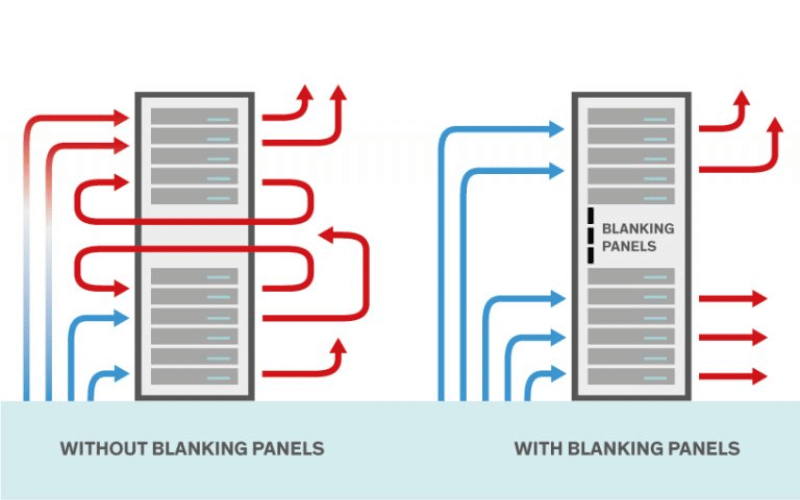
Blanking panels, also known as filler panels, play a critical role in optimizing cooling solutions within server racks. By covering unused rack spaces, these panels help create a controlled airflow path, ensuring that cool air is directed toward active equipment and hot air is efficiently expelled. Without blanking panels, cool air can escape through empty spaces, disrupting the airflow pattern and reducing the cooling system’s effectiveness.
In a typical server rack setup, cooling systems rely on a hot aisle/cold aisle configuration to maintain optimal temperatures. Blanking panels ensure that this configuration works as intended by preventing air from bypassing the equipment. This not only improves cooling efficiency but also reduces the workload on air conditioning units, leading to lower energy consumption and operational costs.
Additionally, blanking panels are easy to install and come in various sizes to fit different rack units. Whether made of plastic or metal, these panels are a cost-effective solution for enhancing cooling performance in both small-scale and large-scale IT environments.
Impact on Server Rack Cooling and Airflow
The impact of blanking panels on server rack cooling and airflow is significant, as they directly influence the temperature and efficiency of the entire system. When empty rack spaces are left uncovered, cool air can mix with hot air, creating temperature inconsistencies and hot spots. This not only affects the equipment’s performance but also increases the risk of hardware failure due to overheating.
By installing blanking panels, organizations can maintain a consistent airflow pattern, ensuring that cool air flows through the front of the rack and exits through the rear. This targeted airflow reduces the likelihood of hot spots, ensuring that all equipment receives adequate cooling.
Moreover, improved airflow management can extend the lifespan of server components by preventing thermal stress. Servers and other IT equipment are designed to operate within specific temperature ranges, and maintaining these conditions is essential for their reliability and performance. Blanking panels help achieve this by optimizing the cooling system’s efficiency and ensuring even temperature distribution.
Preventing Dust Accumulation with Filler Panels
In addition to improving airflow, blanking panels also serve as a barrier against dust and debris, which can accumulate in open rack spaces and compromise the performance of sensitive equipment. Dust particles can clog vents, reduce cooling efficiency, and even cause short circuits, leading to costly repairs or downtime.
Filler panels help prevent these issues by sealing off unused rack spaces, reducing the entry points for dust and other contaminants. This is particularly important in environments where server racks are exposed to higher levels of airborne particles, such as industrial facilities or shared office spaces.
For maximum effectiveness, it’s essential to pair blanking panels with regular maintenance practices, such as cleaning vents and filters. Together, these measures can significantly reduce the risk of dust-related issues and ensure the long-term reliability of the server rack.
By addressing both airflow optimization and dust prevention, blanking panels provide a simple yet effective solution for maintaining the performance and longevity of server equipment. Whether in a small IT room or a large data center, these panels are an essential component of any well-designed server rack system.
Choosing the Right Filler Panel for Your Rack
Factors to Consider When Selecting a Panel
Selecting the right filler panel for your server rack is essential for maintaining optimal airflow, protecting equipment, and ensuring a professional appearance. Several factors should be considered to make the best choice for your specific setup.
First, evaluate the size of the blanking panel needed. Filler panels are measured in rack units (U), with 1U being the smallest standard size. Determine the number of unused rack spaces in your setup and select panels that precisely fill these gaps. Using the correct size ensures a snug fit, which is critical for effective airflow management.
Next, consider the material of the panel. Plastic panels are lightweight and cost-effective, making them suitable for smaller setups or environments with limited budgets. However, metal panels, typically made from steel or aluminum, offer greater durability and are better suited for high-performance server racks. The choice of material should align with the demands of your environment and the level of protection required.
Ease of installation is another important factor. Tool-less panels are convenient for dynamic setups where rack configurations change frequently, while screw-mounted panels provide a more secure fit for environments with vibrations or heavy equipment. Additionally, consider whether you need solid or perforated panels. Solid panels are ideal for sealing off unused spaces, while perforated panels allow partial airflow, which may be beneficial in specific cooling configurations.
Finally, think about aesthetics and branding. If your server rack is in a visible location, such as a client-facing data center, opt for panels that provide a clean and professional look. Some manufacturers offer customizable panels that can be tailored to match your organization’s branding or color scheme.
Comparing 1U and 3U Metal Filler Panels
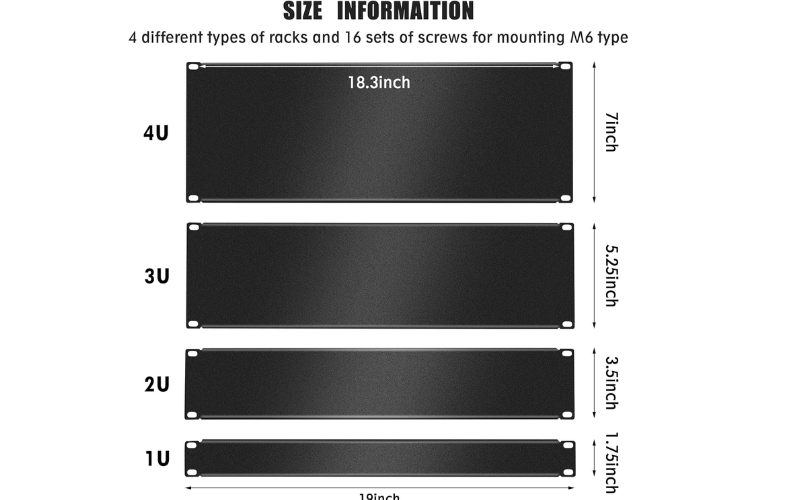
When choosing between 1U and 3U metal filler panels, it’s important to understand their differences and how they impact your server rack setup. Both sizes serve the same purpose of covering unused rack spaces, but their applications and benefits vary depending on the specific requirements of your environment.
1U panels are the most commonly used size and are ideal for filling small gaps in the rack. They offer flexibility, as you can install multiple 1U panels to cover larger spaces or use them individually for precise adjustments. This makes them a versatile option for dynamic setups where rack configurations may change frequently.
On the other hand, 3U panels are better suited for covering larger gaps in the rack. By using a single 3U panel instead of multiple 1U panels, you can achieve a cleaner and more streamlined appearance. Additionally, 3U panels reduce the number of installation points, saving time during setup and minimizing the risk of misalignment.
Both 1U and 3U metal panels are typically made from durable materials like steel or aluminum, ensuring long-lasting performance. The choice between the two sizes ultimately depends on the layout of your server rack and the level of flexibility you require. For environments with frequent changes, 1U panels may be more practical, while 3U panels are ideal for static setups where aesthetics and efficiency are priorities.
Optimal Materials: Steel vs. Other Metals
The material of a filler panel significantly impacts its durability, weight, and overall performance. Steel and aluminum are the most commonly used metals for blanking panels, each offering distinct advantages depending on the application.
Steel panels are known for their strength and durability, making them an excellent choice for high-performance server racks. They can withstand heavy use and are less prone to warping or damage over time. Steel panels are also effective at blocking electromagnetic interference (EMI), which can be a concern in environments with sensitive equipment. However, steel is heavier than other materials, which may be a consideration for racks with weight limitations.
Aluminum panels, on the other hand, are lightweight and corrosion-resistant, making them ideal for environments where weight and longevity are critical factors. While not as strong as steel, aluminum panels are still durable enough for most applications and are easier to handle during installation. Their lightweight nature also reduces the overall load on the server rack, which can be beneficial in setups with multiple panels.
Other metals, such as titanium or alloys, are less commonly used for filler panels due to their higher cost. However, they may be suitable for specialized applications that require unique properties, such as extreme durability or resistance to specific environmental conditions.
When choosing between steel and other metals, consider the specific needs of your server rack setup. Steel is ideal for heavy-duty applications and environments with EMI concerns, while aluminum offers a lightweight and corrosion-resistant alternative for general use. By selecting the right material, you can ensure that your filler panels provide the durability and performance needed to support your IT infrastructure.
Installation and Maintenance of Server Rack Filler Panels
Steps to Properly Install a Blank Panel
Installing blanking panels in a server rack is a straightforward process, but proper installation is essential to ensure they function effectively. Follow these steps to correctly install a filler panel:
-
Measure the Empty Rack Space: Before installation, determine the size of the empty space in your server rack. Blanking panels are available in various sizes, such as 1U, 2U, or 3U, so selecting the correct size ensures a snug fit and optimal airflow management.
-
Choose the Right Panel Type: Depending on your needs, select a panel made of plastic or metal. Tool-less panels are ideal for quick installations, while screw-mounted panels provide a more secure fit for environments with vibrations or heavy equipment.
-
Align the Panel with the Rack: Position the blanking panel in front of the empty rack space, ensuring that the mounting holes on the panel align with the holes on the rack’s frame. Proper alignment is crucial for a secure installation.
-
Secure the Panel: For tool-less panels, simply snap the panel into place by pressing it firmly against the rack. For screw-mounted panels, use the appropriate screws to fasten the panel securely. Tighten the screws evenly to avoid misalignment or gaps.
-
Verify the Installation: Once the panel is installed, check for any gaps or loose fittings. A properly installed blanking panel should sit flush with the rack’s frame, leaving no room for air to escape or dust to enter.
By following these steps, you can ensure that your blanking panels are installed correctly, enhancing airflow and maintaining the efficiency of your server rack.
Maintaining Aesthetics and Cleanliness
Maintaining the appearance and cleanliness of your server rack is just as important as ensuring its functionality. A well-organized and clean rack not only improves airflow but also creates a professional impression, especially in client-facing environments.
To maintain aesthetics, regularly inspect the rack for any misaligned or missing blanking panels. Replace damaged or worn panels promptly to preserve the rack’s uniform appearance. Using panels of the same material and finish can also contribute to a cohesive and polished look.
Cleanliness is another critical aspect of server rack maintenance. Dust and debris can accumulate on blanking panels and other components, potentially affecting airflow and equipment performance. Use a soft, lint-free cloth or an anti-static brush to clean the panels and surrounding areas. Avoid using harsh chemicals that could damage the panels or leave residue.
Cable management also plays a role in maintaining aesthetics. Ensure that cables are neatly organized and secured using cable ties or management bars. This not only improves the rack’s appearance but also prevents cables from obstructing airflow or interfering with blanking panels.
Regular Checks for Server Rack Efficiency
Regular inspections are essential to ensure that your server rack operates efficiently and that blanking panels continue to perform their intended functions. These checks should focus on airflow, temperature, and the overall condition of the rack.
-
Monitor Airflow and Temperature: Use airflow sensors or temperature monitoring tools to assess the effectiveness of your cooling system. Check for any hot spots or irregular airflow patterns that could indicate gaps or misaligned panels.
-
Inspect Blanking Panels: Examine the panels for signs of wear, damage, or misalignment. Replace any panels that are cracked, warped, or no longer fit securely. Properly installed panels are crucial for maintaining consistent airflow and preventing air leakage.
-
Check for Dust and Debris: Inspect the rack for dust accumulation, particularly around blanking panels and ventilation areas. Clean the rack regularly to prevent dust from clogging vents or affecting equipment performance.
-
Evaluate Cable Management: Ensure that cables are neatly organized and do not obstruct airflow. Poor cable management can reduce the effectiveness of blanking panels and create unnecessary heat buildup.
-
Review Rack Configuration: If you’ve made changes to the rack’s configuration, such as adding or removing equipment, verify that blanking panels are installed in all unused spaces. Adjust the panels as needed to maintain optimal airflow.
By conducting regular checks and addressing any issues promptly, you can ensure that your server rack remains efficient, clean, and visually appealing. Proper maintenance of blanking panels and other components not only enhances performance but also extends the lifespan of your IT infrastructure.
Frequently Asked Questions
Q: What are rack mount filler panels and their purpose?
A: Rack mount filler panels are accessories designed to cover unused spaces in equipment racks or cabinets. Their primary purpose is to improve airflow management and maintain a clean, professional appearance in server rooms. By sealing empty spaces, these panels help prevent dust and debris from entering the rack, protecting sensitive hardware.
Q: How do rack mount filler panels improve cooling efficiency?
A: Filler panels enhance cooling efficiency by sealing empty rack spaces, which directs cool air toward active equipment and prevents hot exhaust air from recirculating. This helps maintain stable temperatures, reduces hot spots, and ensures optimal performance and longevity of the hardware.
Q: What are the benefits of using rack mount filler panels in a data center?
A: Rack mount filler panels offer several benefits, including improved airflow, enhanced cooling efficiency, and a polished, professional appearance. They reduce power consumption by easing the workload on cooling systems and support better cable management by keeping the environment organized and clutter-free.
Q: Can rack mount filler panels reduce equipment overheating?
A: Yes, rack mount filler panels help reduce equipment overheating by maintaining proper airflow. By covering unused spaces, they prevent the mixing of hot and cool air, ensuring stable temperatures and reducing the risk of hotspots. This helps prolong the lifespan of the equipment.
Q: What materials are rack mount filler panels typically made from?
A: Rack mount filler panels are commonly made from durable materials like aluminum, which is lightweight yet sturdy enough to withstand the demands of a server environment. Aluminum panels also provide a sleek, professional look that complements the overall design of a data center.
Q: How do rack mount filler panels contribute to cable management?
A: Filler panels contribute to cable management by creating a clean and organized server rack. By covering empty spaces, they reduce clutter and provide better pathways for routing cables. This not only improves the appearance of the setup but also makes it easier to access and manage cables effectively.
Q: What is the pricing range for rack mount filler panels?
A: The cost of rack mount filler panels varies based on size, material, and manufacturer. Basic panels are affordable, while premium designs with additional features may cost more. To find the best option, consider your specific requirements and compare prices across different brands and models.
Q: How do I select the right size of rack mount filler panels?
A: To choose the correct size, measure the empty spaces in your server rack. Filler panels are available in standard sizes like 1U, 2U, and 4U, which correspond to the height of the panel. Ensure the panels fit snugly to maximize their effectiveness in sealing gaps and improving airflow.
Q: Are rack mount filler panels effective for horizontal racks?
A: Yes, rack mount filler panels are effective for horizontal racks as well. They provide the same benefits as in vertical racks, such as improved airflow and a professional appearance. By sealing gaps, they optimize cooling efficiency regardless of the rack’s orientation.
Q: What should I consider when installing rack mount filler panels?
A: When installing filler panels, consider the layout of your rack and the airflow design of your data center. Ensure the panels are securely mounted to avoid gaps that could disrupt airflow. Also, plan for future equipment changes by choosing panels that are easy to adjust or replace.
Conclusion
1U metal filler panels are compact yet powerful components that play a vital role in server rack management. By improving airflow, reducing dust accumulation, and enhancing the overall appearance of your server rack, these panels contribute to a more efficient and professional IT setup. Investing in high-quality filler panels is a straightforward step toward improved server performance and longevity.
