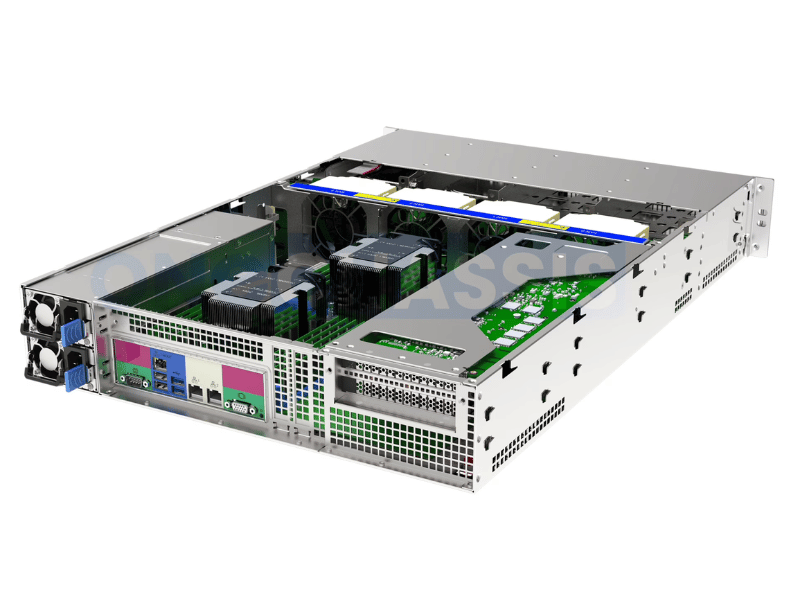
A server case is a specialized chassis designed to house, protect, and organize crucial server components, including motherboards, central processing units (CPUs), graphics processing units (GPUs), and extensive storage drives. While standard computer cases are mostly built for general-purpose home or office computing, server cases excel at providing robust physical security, superior airflow management, and optimal space utilization in enterprise environments. They are vital for high-performance computing, data centers, and enterprise IT infrastructure because they can securely hold complex hardware configurations while maintaining optimal operating conditions. By ensuring that networking equipment, power supplies, and compute nodes are systematically organized, server cases prevent overheating and physical damage. These chassis are essential in fields requiring immense computing power, such as cloud computing, artificial intelligence (AI) data centers, telecommunications, and large-scale financial modeling networks.
What Are the Benefits of a Server Case?
Advantages of a Server Case:
1. Protection and Durability
Physical Risk Analysis: Server cases swiftly protect high-value internal hardware from physical damage, dust, and environmental hazards. Built from heavy-duty industrial steel or high-grade aluminum, these robust enclosures offer far greater structural integrity than consumer-grade computer cases. This durability enables more accurate and secure hardware operations in busy, high-traffic data centers.
Secure Enclosures: They demand secure access points, often featuring lockable front bezels and side panels to prevent unauthorized tampering. This structural design allows IT managers to maintain strict physical security protocols, ensuring that critical data and expensive networking equipment remain safe from both accidents and intentional interference.
2. Efficient Cooling and Airflow
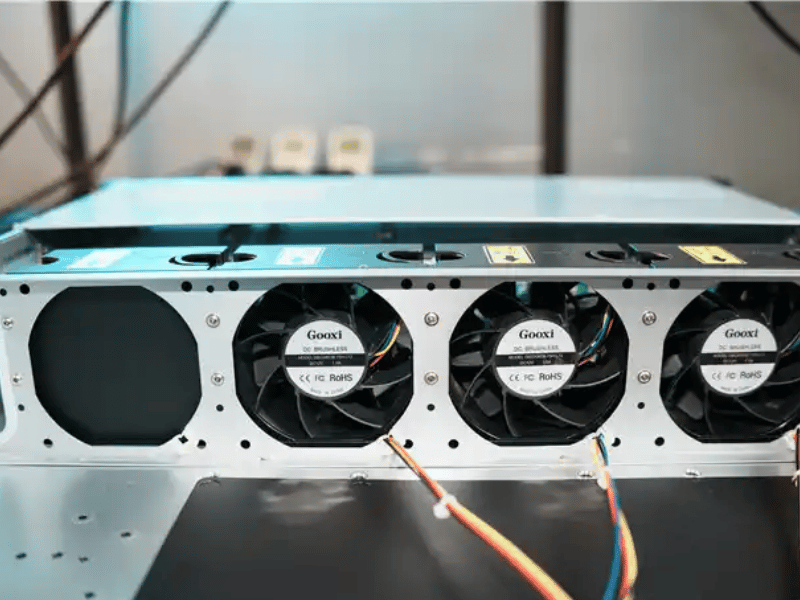
Enhanced Thermal Performance: Server cases are meticulously engineered to manage the concurrent heat generated by densely packed, high-performance computing components. They employ highly optimized front-to-back airflow designs that rapidly draw in cool air and exhaust hot air. This acceleration allows IT administrators to run high-wattage processors and multiple GPUs without thermal throttling.
Cooling Scalability: These chassis can seamlessly accommodate high-RPM, heavy-duty cooling fans and advanced liquid cooling systems, making them ideal for data-intensive applications where traditional consumer cases would overheat. By properly managing thermal output, server cases significantly improve the lifespan and operational reliability of the enclosed hardware.
3. Space Optimization
Scalability and Consolidation: Server cases significantly improve physical space efficiency, which is essential for growing data centers and enterprise IT environments. Rackmount and blade server cases, in particular, allow businesses to stack multiple servers vertically within a standardized rack framework.
High-Density Workloads: This space-saving architecture reduces the network’s physical footprint, enabling real-time expansion and high-density computing without requiring massive real estate investments. By streamlining hardware storage, server cases make data center operations smoother and allow organizations to maximize their computing capacity per square foot.
4. Cable Management
Improved Workflow: Server cases purposefully organize large arrays of power cables, network cables, and storage connectors. Properly routed cable management paths built into the chassis swiftly reduce internal clutter, which directly improves airflow and cooling efficiency.
Maintenance Efficiency: Highly organized cabling reduces troubleshooting time, speeding up routine maintenance and hardware updates. When technicians can easily trace cables and hot-swap drives without tangling wires, the overall workflow improves. Server case cable management tools allow real-time investigation and replacement of faulty components, minimizing network downtime.
5. Versatility Across Applications
Enterprise IT and Healthcare: Server cases speed up and improve hardware housing for traditional corporate networks, medical imaging servers, and patient data repositories. They securely host the systems required for daily corporate operations and sensitive diagnostics.
Media and Entertainment: They provide the foundational hardware housing for broadcast studios, accelerating multimedia rendering and video distribution. By adapting to various motherboard form factors, power supplies, and storage arrays, server cases easily accommodate a wide range of industry requirements, making them universally beneficial across numerous sectors.
Types of Server Cases
Types of Server Cases:
There are different kinds of server case architectures, depending on the organization’s needs:
1. Tower Server Cases
Standalone Architecture: Also known as pedestal servers, this design resembles a traditional desktop PC case but is significantly larger and more robust. Its high internal capacity and lower noise levels make it suitable for small businesses, retail environments, or branch offices without a dedicated server room.
Targeted Use Cases: In this configuration, the chassis sits independently on the floor or a desk. It is challenging to scale horizontally in massive data centers, but it has excellent expandability for standalone database management, basic file sharing, and small-scale virtualization.
2. Rackmount Server Cases
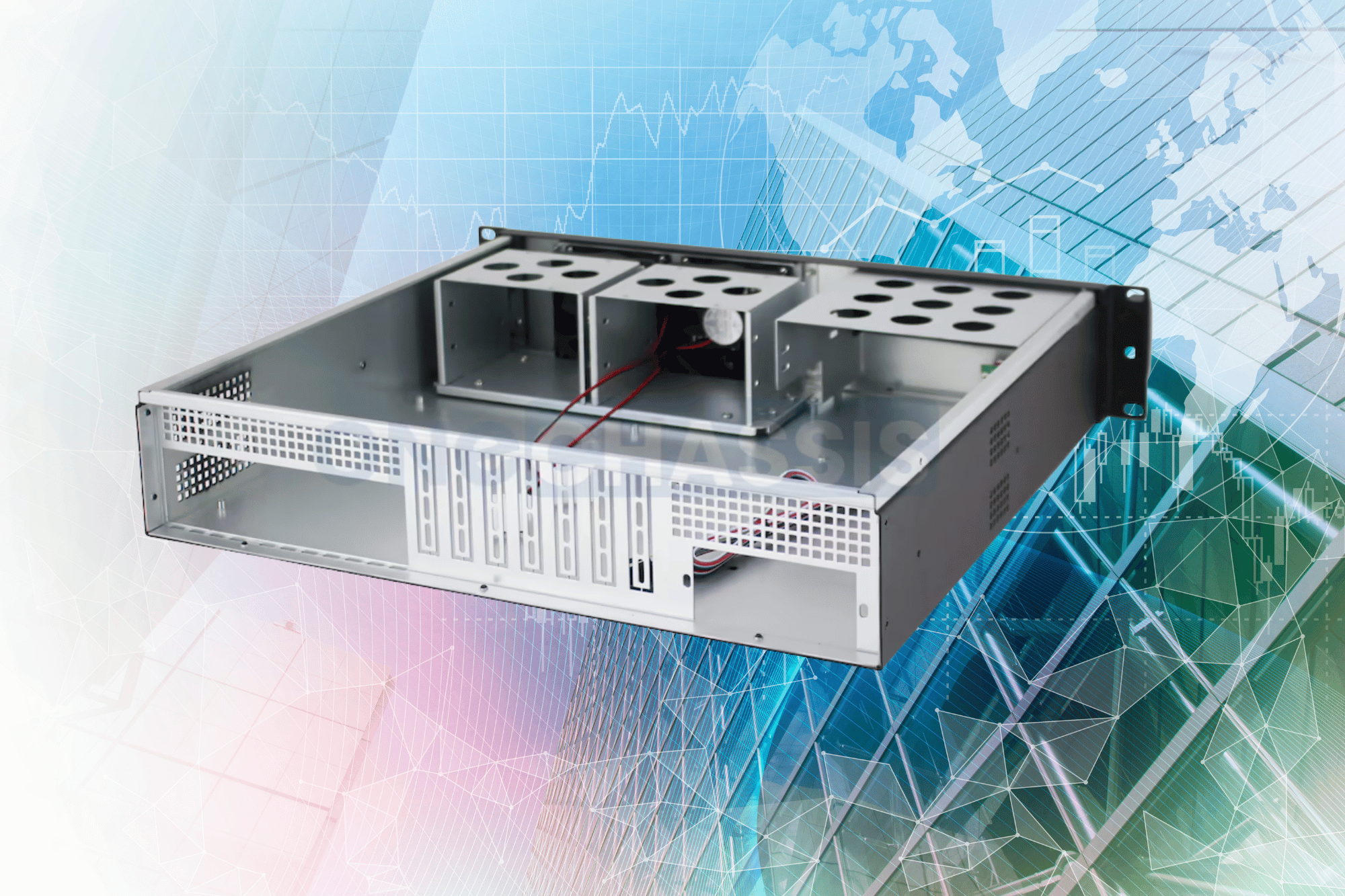
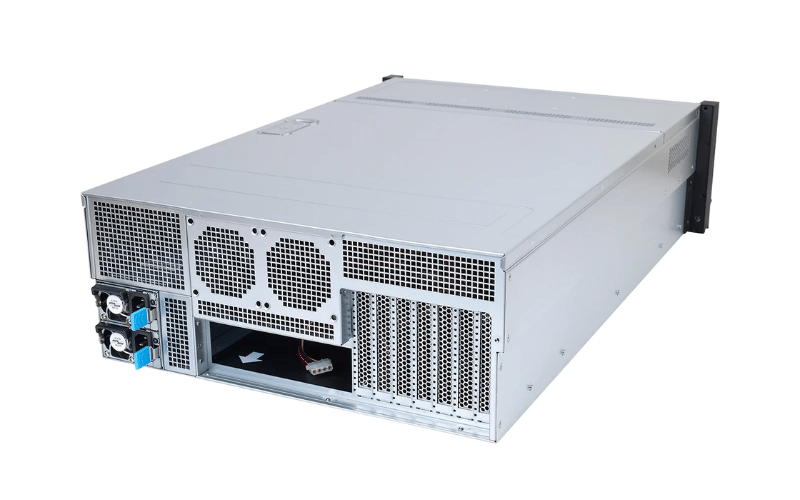
High-Density Architecture: In this configuration, cases are designed to slide securely into standardized 19-inch server racks. Ranging from ultra-compact 1U sizes to massive 4U+ enclosures, rackmount cases consolidate hardware, resulting in a highly organized, vertical structure.
Scalability and Maintenance: Rackmount cases centralize network connections and expand the server rack’s computing capacity, simplifying cabling and hardware maintenance. They are highly scalable, providing excellent airflow management and failover support for high-traffic enterprise environments.
3. Blade Server Cases
Modular Architecture: Blade enclosures govern and design network behavior by housing multiple ultra-thin server modules (blades) within a single massive chassis. The main enclosure provides shared power, cooling, and networking to all inserted blades.
Efficiency: This architecture optimizes data routes and resource allocation, severely reducing cabling and physical footprint. Blade server cases are flexible and highly scalable, handling horizontal scaling by adding blade nodes without degrading performance. They are better suited to advanced, data-intensive applications and enterprise cloud deployments.
4. Custom Server Cases
Tailored Infrastructure: Custom server cases allow organizations to engineer hardware enclosures to meet highly specific operational requirements, altering standard dimensions, port locations, and material durability.
Specialized Deployments: They handle unique environmental constraints, dynamically allocating internal space to meet business demands, such as ruggedized military edge computing or specialized telecom setups. Custom architectures optimize resource use and reduce physical installation complexity, lowering infrastructure constraints and boosting overall system resilience.
When Do You Need a Server Case?
1. High-Density Server Environments
Cloud Computing and Data Centers: Server cases accelerate the deployment of large-scale cloud infrastructure. They enable quick expansion and growth by allowing IT teams to organize dozens of powerful servers in a highly consolidated, uniform manner.
Space Optimization: Racks and blade enclosures provide critical physical frameworks for data centers. In these scenarios, server cases manage hardware density far better than consumer desktop cases, maximizing computational output while minimizing the required floor space for the network.
2. Applications Requiring Scalability
Growing IT Infrastructures: Growing businesses and IT departments expand their networks faster using server cases. These specialized enclosures enable network engineers to seamlessly integrate new storage arrays or processing nodes into the system.
Future-Proofing Hardware: Server cases can support rapid prototyping and network scaling over time. Adjusting your network capacity for desired outcomes is crucial in any enterprise environment, and a proper server chassis ensures smooth, physical expansion without needing to redesign the entire server room.
3. Industries with High Cooling Demands
AI and Deep Learning: Server cases are required to house the densely packed hardware used for AI training and complex graphics processing. They improve thermal management, pushing cool air directly across high-wattage GPUs and processors.
Extreme Workloads: Whether running 3D rendering farms or machine learning algorithms, heavy computing loads demand immense cooling. Server cases orchestrate complex fan arrays and liquid cooling loops faster and more efficiently, improving continuous hardware output and preventing dangerous thermal throttling.
4. Secure and Durable Hardware Housing
Protecting Sensitive Equipment: Server cases can boost the physical security of sensitive IT hardware for corporate, financial, and government organizations. This is extremely important for enterprises handling proprietary data that must prevent physical tampering or unauthorized access.
Rugged Environments: Industrial workspaces benefit from server cases’ improved durability and structural integrity in dusty or vibration-heavy settings. These enclosures reduce physical risks and boost IT management efficiency by centralizing hardware into locked, resilient cabinets.
5. Video Processing and Encoding
Multimedia Production: Server cases help broadcast studios and video producers house the massive storage arrays and rendering hardware required for high-resolution video processing. Standardized rack cases accelerate these operations by keeping hardware organized and moving loud equipment to dedicated server rooms.
Streaming Services: Live video is efficiently encoded and transcoded using rack-mount server cases. This allows high-quality output in multimedia workflows, enabling content creators to rapidly deploy new hardware to meet increasing processing demands.
Server Cases vs Other Enclosures
Server Cases vs Desktop Cases: What’s the difference?
Comparison Table
| Features | Desktop PC Case | Server Case |
|---|---|---|
| Functions | Pros: Versatile for general-purpose computing and individual workstation tasks. | Pros: Ideal for continuous enterprise workloads, high-density computing, and massive data storage. |
| Architecture | Pros: Optimal for standard office setups and home environments. | Pros: Server cases offer high scalability and modularity, enabling fast hot-swapping and rack consolidation. |
| Cooling | Pros: Suitable for tasks with limited thermal output and for use with standard cooling fans. | Pros: High-throughput directional airflow optimized for data center HVAC and liquid-cooling systems. |
| Security | Pros: Basic structural integrity meant for secure, private home/office rooms. | Pros: High-grade steel construction with locking bezels to prevent physical tampering and damage. |
| Space Efficiency | Pros: Convenient for independent desk use without the need for server racks. | Pros: Increases data center capacity by enabling horizontal or vertical hardware stacking. |
Key Differences
Desktop cases offer a straightforward, aesthetically pleasing solution suitable for individual workstations and consumer environments. They operate quietly and are highly cost-effective but lack the robust security, scalability, and cooling required for continuous enterprise operations. In contrast, server cases are explicitly engineered for maximum durability, centralized IT management, and extreme thermal efficiency. While they represent a higher initial investment and often require dedicated rack furniture, their standardized dimensions, hot-swappable bays, and locking mechanisms make them an absolute necessity for data-driven, mission-critical network infrastructures.
Partner With Onechassis
Partner With Onechassis:
Onechassis Server Case Solutions
Onechassis High-Density Solutions: Partner with Onechassis for a scalable, high-quality hardware housing solution to accelerate your data center deployment. It provides enterprise and IT teams with strong, durable enclosures to experiment and scale while maintaining complete physical security control.
Onechassis 4U and 2U Series: The Onechassis rackmount series offers ultra-scalable hardware acceleration for corporate IT. These high-capacity server cases accommodate advanced motherboard form factors, feature industry-leading structural security, provide simpler lifecycle management, and offer enterprise-grade manufacturing support from Onechassis specialists worldwide.
Why Choose Onechassis?
Ultra-scalable enclosures for Enterprise IT: Onechassis provides premium server cases optimized for high-performance computing, with extensive support for hot-swappable drives, multiple GPUs, and redundant power supplies. By combining strict quality control with cutting-edge chassis design, Onechassis offers robust scalability options while protecting your critical data. These server cases work seamlessly with large-scale cooling matrices, safely increasing your overall data center capacity. Contact your Onechassis representative to select the ideal server case infrastructure for your needs today.