


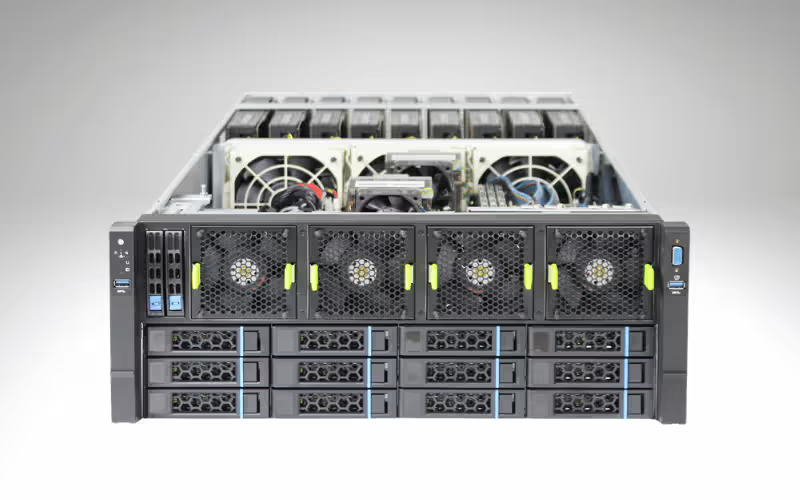
Building a high-performance server requires more than just selecting the fastest processors and the most powerful graphics cards. You must also choose the right GPU server case to house, protect, and cool these expensive components. High-end GPUs used for artificial intelligence, machine learning, deep learning, and complex 3D rendering generate massive amounts of heat and require substantial physical space. A standard computer chassis simply cannot handle the thermal loads or the physical dimensions of enterprise-grade hardware. Choosing the proper server case ensures that your system operates at peak efficiency without succumbing to thermal throttling or premature hardware failure.
Before you make a purchase, it is absolutely essential to evaluate several key factors to guarantee optimal performance and seamless integration. You need to consider advanced cooling mechanisms, rigorous hardware compatibility, and long-term scalability for future upgrades. This comprehensive guide outlines 10 critical considerations to help you select the perfect GPU server case for your specific workload. From understanding different chassis types and power supply support to prioritizing build quality and brand reputation, we will cover everything you need to know to build a reliable, high-performance GPU server.
1. How Can a GPU Server Case Benefit Your Setup?
Investing in a dedicated GPU server case offers numerous advantages that directly impact your hardware’s longevity and performance. First and foremost, a specialized server chassis protects your expensive GPUs and delicate internal components from dust accumulation, physical damage, and environmental hazards. Enterprise GPUs represent a significant financial investment, and housing them in a rugged, purpose-built enclosure ensures they remain safe during operation and routine maintenance.
Beyond basic physical protection, a proper GPU server case significantly enhances cooling efficiency. Heavy computational workloads, such as training machine learning models or rendering high-resolution video, push GPUs to their thermal limits. A dedicated server case features an optimized internal layout that channels massive volumes of air directly over the hottest components. This prevents dangerous overheating and completely eliminates thermal throttling, allowing your graphics cards to maintain maximum clock speeds during intensive, sustained operations.
Furthermore, a professional GPU server case provides exceptional scalability for future hardware upgrades. As your computational needs grow, you will likely need to add more graphics cards to your cluster. A specialized chassis offers the physical space and structural support required to seamlessly integrate additional hardware. Finally, these cases improve internal cable management, creating unobstructed airflow pathways and making routine maintenance much easier. By combining superior cooling, physical protection, and effortless scalability, a dedicated GPU server case boosts overall system performance and guarantees absolute long-term reliability.
2. Types of GPU Server Cases
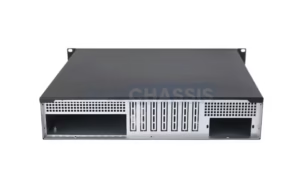
Rack-Mount Cases
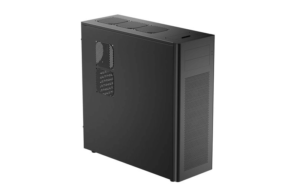
Tower Cases
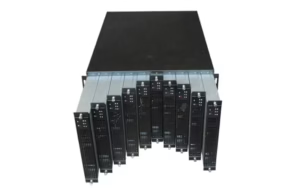
Blade Cases
3. Cooling System Compatibility
Cooling is arguably the most critical factor when running high-performance graphics cards. Enterprise GPUs draw hundreds of watts of power, converting nearly all of it into heat that must be aggressively managed.
Air Cooling
Air cooling remains the most common and cost-effective method for managing GPU temperatures. When using air cooling, the server case must provide optimal airflow and strategic fan placement. High-quality GPU server cases feature optimized ventilation designs, including massive intake panels and multiple high-RPM exhaust fans that create a strong, unidirectional wind tunnel effect. This continuous flow of fresh, cold air rapidly expels the exhausted thermal energy from the chassis. When selecting an air-cooled case, ensure it supports high-static-pressure fans capable of pushing air through dense arrays of graphics cards.
Liquid Cooling
For maximum thermal performance, liquid cooling offers unparalleled heat dissipation for enterprise GPUs. Liquid cooling systems absorb heat directly from the GPU die and transfer it to a large external radiator, bypassing the internal ambient air entirely. This method keeps high-performance graphics cards significantly cooler than traditional air-cooling setups, extending their lifespan and enabling sustained peak performance. When shopping for a liquid-cooled setup, you must select a server case with built-in physical support for thick radiators, liquid reservoirs, and custom tubing pathways to ensure a secure and leak-free installation.
Hybrid Cooling
Hybrid cooling setups combine the best elements of both air and liquid cooling to achieve maximum thermal efficiency. In a hybrid configuration, the primary GPUs might utilize closed-loop liquid coolers, while high-airflow fans manage the ambient temperature for the motherboard, memory, and storage drives. This approach is highly suitable for dense setups featuring multiple GPUs, as it prevents ambient heat buildup from affecting secondary components. A server case designed for hybrid cooling will offer flexible mounting points for both standard chassis fans and specialized liquid cooling radiators.
4. GPU Compatibility and Size
Ensuring that your chosen server case physically accommodates your specific graphics cards is a fundamental step in the building process. Modern high-performance GPUs, particularly those engineered for artificial intelligence and deep learning, feature massive heatsinks and elongated printed circuit boards. You must meticulously check the case dimensions and maximum GPU clearance specifications before purchasing. If a chassis lacks sufficient depth, you will be physically unable to install the cards, rendering the case useless.
Additionally, you must verify the case’s compatibility with full-length and dual-slot or triple-slot GPUs. Enterprise cards often occupy multiple PCIe slot spaces on the motherboard to accommodate their robust cooling shrouds. The server case must have enough expansion slot openings on the rear panel to accommodate these thick cards side by side.
Furthermore, massive GPUs put significant strain on the motherboard’s PCIe slots due to their extreme weight. To prevent structural damage and connection issues, consider cases that include adjustable GPU support brackets or specialized retention mechanisms. These brackets physically hold the heavy cards perfectly level, eliminating dangerous GPU sag and ensuring stable, uninterrupted operation during heavy vibrations or facility relocations.
5. Power Supply Unit (PSU) Support
High-performance GPU servers draw an astonishing amount of electrical power, making Power Supply Unit (PSU) compatibility a top priority. A system running three or four enterprise-grade graphics cards can easily consume several thousand watts of electricity under full computational load. Therefore, you must ensure the server case physically supports high-wattage, enterprise-grade PSUs, which are often significantly longer and heavier than standard consumer units. Some heavy-duty setups even require dual redundant power supplies, so checking for dual PSU mounting bays is essential for mission-critical servers.
Look closely for cases that offer modular PSU mounting options and extended clearance. A modular approach allows builders to easily slide power supplies in and out of the chassis from the rear, drastically simplifying installation and replacement. This feature minimizes costly downtime if a power supply fails during critical operations.
Additionally, pay attention to the case’s power cable management features. High-wattage PSUs utilize thick, inflexible cables that can easily obstruct internal airflow if left unmanaged. A quality GPU server case will include dedicated routing channels, secure tie-down points, and hidden compartments specifically designed to tuck away excess power cables, ensuring a clean, highly efficient, and perfectly ventilated internal setup.
6. Expansion and Scalability
When investing in a GPU server case, you must prioritize future-proofing your setup to accommodate evolving computational demands. Technology advances rapidly, and your machine learning or rendering requirements will inevitably grow. Therefore, selecting a highly scalable chassis is vital. Discuss cases with motherboards and rear panels that offer multiple PCIe slots, allowing you to seamlessly install additional GPUs as your processing needs expand. A spacious case guarantees you won’t need to rebuild the entire system from scratch when upgrading.
Beyond PCIe expansion, a scalable server case should provide ample storage flexibility. Look for chassis that feature support for hot-swappable drive bays. Hot-swappable bays allow server administrators to seamlessly add, remove, or replace high-capacity hard drives and fast NVMe solid-state drives without powering down the entire system. This uninterrupted operation is crucial for enterprise environments managing massive datasets.
Finally, consider cases that leave physical room for additional cooling or power upgrades. As you scale up your GPU count, you will absolutely need to install supplemental high-RPM cooling fans or step up to a secondary power supply. Choosing a spacious, modular GPU server case ensures your infrastructure can comfortably adapt to the heaviest future workloads without creating dangerous thermal bottlenecks.
7. Material and Build Quality
The durability and structural integrity of a GPU server case cannot be overstated. A fully loaded server, packed with heavy enterprise GPUs, massive power supplies, and thick copper cooling radiators, can weigh well over eighty pounds. You must look for cases manufactured from premium, high-quality materials like heavy-gauge industrial steel or extruded aluminum. These robust materials resist bending, warping, and physical deformation, ensuring your expensive hardware remains perfectly protected in demanding data center environments.
Ensure the case features a heavily reinforced, sturdy internal frame. The frame must physically support the extreme weight of modern graphics cards without flexing. A weak chassis can cause the motherboard to warp, potentially snapping critical traces and ruining the system.
Additionally, prioritize server cases that incorporate advanced anti-vibration features. High-speed cooling fans and mechanical hard drives generate continuous micro-vibrations that can loosen screws and damage delicate components over time. Quality cases use rubber isolation grommets and thick mounting brackets to absorb these vibrations, ensuring stable, whisper-quiet operation and extending the lifespan of your server components.
8. Cable Management Features
Organized cable management is not just about visual aesthetics; it is a critical component of system performance and thermal regulation. In a GPU server packed with data cables, thick power lines, and cooling tubes, clutter quickly becomes a massive operational hazard. You must highlight cases equipped with built-in, strategically placed cable routing channels. These dedicated pathways allow system builders to firmly secure cables flush against the chassis walls, keeping them safely away from spinning fan blades and sensitive motherboard components.
Mention the significant benefits of removable side panels and motherboard trays for easy access. Cases designed with accessibility in mind allow administrators to effortlessly route thick cables behind the motherboard, completely removing them from the main thermal chamber. This easy access drastically reduces the time required for system assembly and routine maintenance.
Most importantly, you must understand the severe impact of cable management on airflow and cooling. A tangled nest of wires acts like a physical wall, blocking cold intake air from reaching the GPUs and trapping hot exhaust air inside the chassis. By utilizing a case with superior cable management features, you guarantee an unobstructed wind tunnel effect, maximizing cooling efficiency and preventing thermal throttling.
9. Noise Reduction Features
While data centers expect a certain level of ambient noise, excessive acoustic output in office environments or creative studios is highly disruptive. Addressing the need for quiet operation in GPU server cases is essential for local workstation setups. When evaluating a chassis, look specifically for cases lined with high-density sound-dampening materials. These specialized acoustic foam panels absorb the high-frequency whine of spinning GPU fans and the low-frequency hum of mechanical hard drives, significantly reducing the system’s overall noise footprint.
Furthermore, mention cases designed with optimized fan placement and unobstructed ventilation grilles. When air is forced through restrictive, poorly designed vents, it creates loud acoustic turbulence. A well-engineered case allows air to flow smoothly and quietly, reducing wind noise. Installing larger, slower-spinning 120mm or 140mm fans instead of small, high-RPM server fans also drastically lowers noise levels without sacrificing airflow.
Finally, discuss the acoustic benefits of liquid cooling. Because liquid coolers use large radiators and slow-spinning fans to dissipate heat, they operate significantly more quietly than traditional air-cooled GPU shrouds. Selecting a case that supports large liquid-cooling loops is one of the most effective ways to build a silent, high-performance GPU server.
10. Brand Reputation and Warranty
When housing thousands of dollars’ worth of enterprise hardware, you cannot afford to compromise on the manufacturer. Highlighting the importance of choosing a reliable, industry-tested brand is the final critical step in your purchasing journey. Discuss the stellar reputation of established brands like Onechassis, which are recognized globally for delivering uncompromising build quality, exceptional thermal designs, and dedicated enterprise support. Trusted manufacturers utilize precise engineering tolerances, ensuring your components fit perfectly and operate flawlessly.
Additionally, mention the absolute importance of a comprehensive manufacturer’s warranty for total peace of mind. A robust warranty demonstrates the brand’s confidence in its product’s durability. If a case arrives with manufacturing defects or a hot-swap backplane fails prematurely, a solid warranty ensures you receive immediate replacement parts without incurring unexpected costs.
Finally, always encourage readers to check verified customer reviews and professional testimonials before making a final decision. Real-world feedback from other server administrators provides invaluable insights into a case’s actual thermal performance, cable management quirks, and long-term reliability that specification sheets simply cannot reveal.
Conclusion
Choosing the ideal GPU server case requires careful planning and a thorough understanding of your specific hardware demands. To recap the 10 key considerations, you must evaluate the case’s cooling capabilities, physical GPU compatibility, power supply support, and scalability. Furthermore, prioritizing premium build quality, efficient cable management, noise reduction features, and a reputable brand ensures your system will operate flawlessly under the heaviest computational workloads.
We cannot emphasize enough the importance of selecting a chassis that perfectly aligns with your specific operational needs, whether you are building a quiet office workstation or populating a high-density data center rack. Taking the time to evaluate these factors protects your hardware investment and maximizes system performance. If you are ready to build a top-tier system, explore the extensive lineup of Onechassis GPU server cases today for reliable, enterprise-grade, and high-performance housing solutions.
