


Data centers now consume about 1% of the world’s total electricity, a figure that continues to rise as digital demand grows. With this surge in energy use, businesses face mounting operational costs and environmental pressures. Optimizing data centers has become more than a technical challenge—it’s a financial and sustainability imperative.
A well-optimized data center operates like a finely tuned machine. It minimizes energy waste, reduces costs, and scales efficiently to meet future demands. Beyond the financial benefits, optimization also supports sustainability goals by lowering carbon footprints, a critical factor for companies aiming to align with global environmental standards.
To achieve this, businesses must focus on four key areas of optimization: power, cooling, hardware, and operations. Power efficiency ensures that energy is used where it’s needed most, while advanced cooling strategies prevent overheating without excessive energy use. Hardware upgrades, such as deploying energy-efficient servers, improve performance while reducing consumption. Finally, streamlined operations, including automation and monitoring, ensure that resources are allocated effectively.
This guide will walk you through practical strategies to optimize each of these areas, helping you cut costs, reduce energy use, and future-proof your data center for the challenges ahead.
Power and Energy Efficiency Optimization
Optimizing power and energy efficiency in a data center isn’t just about cutting costs—it’s about ensuring every watt of energy works as hard as your servers do. By analyzing power consumption and fine-tuning your electrical infrastructure, you can unlock significant savings while improving overall performance. Let’s dive into the specifics.
Analyzing Power Consumption
Before you can optimize, you need to understand where your energy is going. Measuring Power Usage Effectiveness (PUE) is the first step. PUE, calculated as the ratio of total facility energy to IT equipment energy, reveals how efficiently your data center uses power. A PUE of 1.5 or higher often signals room for improvement.
Start by identifying energy sinks—areas where power is wasted. For example, older GPU server chassis may draw more power than necessary due to outdated components or inefficient cooling designs. Utilize energy monitoring tools to identify these inefficiencies and prioritize essential upgrades.
Next, audit your Uninterruptible Power Supplies (UPS) and battery systems. These systems serve as the backbone of your power infrastructure, but aging or poorly maintained units can lead to energy waste. Check for inefficiencies, such as excessive heat generation or poor battery health. Upgrading to modular, high-efficiency UPS systems can reduce energy loss and improve scalability.
Optimizing Electrical Infrastructure
Once you’ve analyzed your power consumption, it’s time to optimize the infrastructure itself. Start by implementing innovative power management software. These tools enable you to monitor and control power usage in real-time, ensuring that energy is allocated where it’s needed most. For instance, you can schedule non-critical GPU workloads during off-peak hours to reduce strain on your power systems.
High-efficiency power supplies are another critical upgrade. Look for units with an 80 PLUS Platinum or Titanium certification, which ensures minimal energy loss during power conversion. These power supplies can significantly reduce the energy overhead of your GPU server chassis, especially in high-density deployments.
Don’t overlook your Power Distribution Units (PDUs) and branch circuits. Inefficient PDUs can lead to energy loss and uneven power distribution, potentially straining your equipment. Consider upgrading to intelligent PDUs that offer real-time monitoring and load balancing capabilities. Additionally, review your branch circuits to ensure they’re not overloaded or underutilized, as both scenarios can lead to inefficiencies.
By analyzing power consumption and optimizing your electrical infrastructure, you can transform your data center into a model of energy efficiency. These steps not only reduce operational costs but also extend the lifespan of your equipment, ensuring your GPU server chassis and other critical components perform at their best. In the next section, we’ll explore how cooling strategies can further enhance efficiency and reliability.
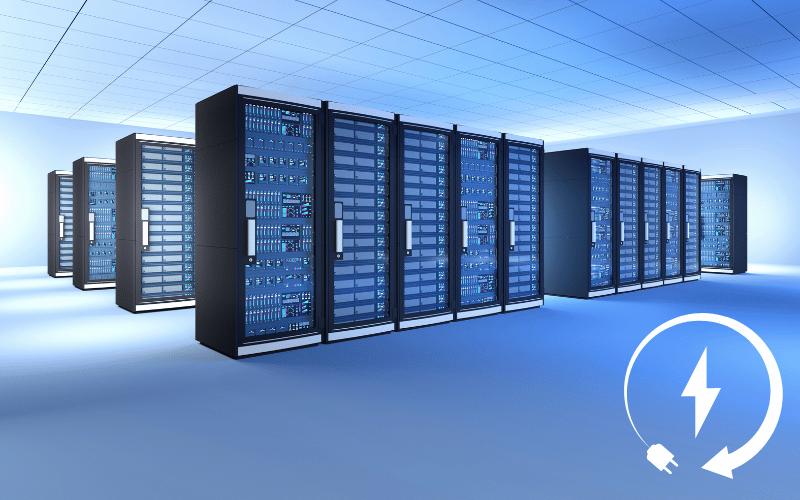
Cooling System Optimization
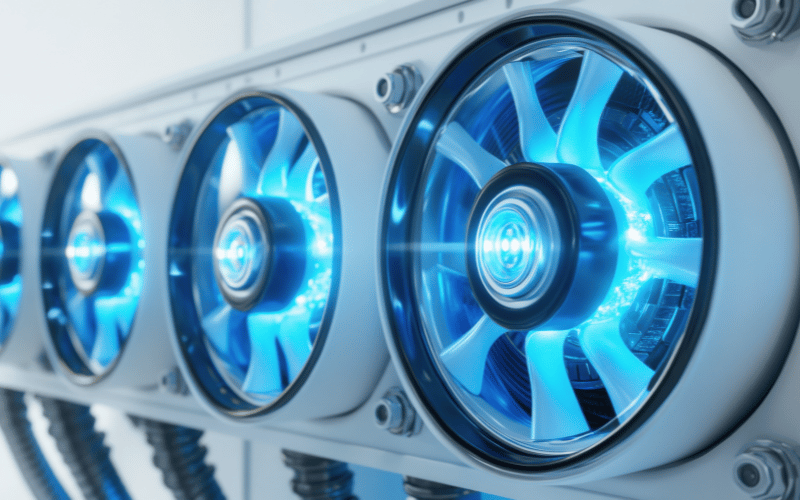
Cooling is the lifeblood of any data center, especially when housing high-performance GPU server chassis that generate significant heat. Without an optimized cooling system, you risk inefficiencies, higher energy costs, and potential hardware failures. By focusing on airflow management, advanced cooling techniques, and monitoring systems, you can create a cooling strategy that keeps your equipment running smoothly and efficiently.
Airflow Management Strategies
Effective airflow management is the foundation of any cooling system. Start by implementing hot aisle/cold aisle containment. This strategy involves aligning server racks so that the fronts (cold aisles) face each other, while the backs (hot aisles) face in the same direction. Containment systems, such as physical barriers or curtains, prevent hot and cold air from mixing, ensuring that cool air reaches your GPU server chassis without interference.
Blanking panels are another simple yet powerful tool. Install these panels in unused rack spaces to block airflow gaps, forcing cool air to flow directly through your servers rather than bypassing them. Additionally, seal any physical gaps in server racks, raised flooring, or cable cutouts. Even small leaks can disrupt airflow and reduce cooling efficiency.
Advanced Cooling Techniques
For data centers with high-density GPU workloads, traditional air cooling may not be enough. Advanced cooling techniques can provide the extra efficiency and capacity you need.
- Liquid Cooling: Liquid cooling systems, such as direct-to-chip cooling, utilize liquid coolant to absorb heat from GPUs and other components directly. This method is highly efficient and ideal for high-performance computing environments.
- In-Row Cooling: In-row cooling units are placed directly between server racks, delivering cool air closer to the heat source. This reduces the distance air must travel, improving efficiency.
- Free Air Cooling: Free air cooling leverages outside air to cool your data center, reducing reliance on energy-intensive chillers. This technique is most effective in regions with cooler climates.
Don’t forget to fine-tune your chilled water delivery systems. Adjust the water temperature to match your cooling needs—overcooling wastes energy, while undercooling risks overheating. Many modern systems allow for precise temperature control, ensuring optimal performance.
Monitoring and Automation
Even the most effective cooling strategies require ongoing monitoring to remain effective. Deploy temperature and humidity sensors throughout your data center to map hotspots and identify areas where cooling is insufficient. Place sensors near the GPU server chassis, as these are often the most heat-intensive components.
Take it a step further by integrating AI and Computational Fluid Dynamics (CFD) modeling. AI-powered systems can analyze sensor data in real time, predicting airflow issues before they occur. CFD modeling provides a virtual representation of your data center’s airflow, enabling you to visualize and address inefficiencies. For example, if a hotspot forms near a specific rack, AI can automatically adjust the cooling output or airflow patterns to resolve the issue.
By combining airflow management, advanced cooling techniques, and intelligent monitoring, you can create a cooling system that not only protects your GPU server chassis but also reduces energy costs and improves overall efficiency. In the next section, we’ll explore how hardware upgrades can further enhance your data center’s performance and sustainability.
Hardware and Infrastructure Optimization
Optimizing hardware and infrastructure is akin to fine-tuning the engine of a high-performance car—it ensures that every component works in harmony to deliver maximum efficiency. By focusing on virtualization, storage, and network optimization, you can reduce costs, improve performance, and future-proof your data center for evolving demands.
Virtualization and Consolidation
Reducing your physical hardware footprint starts with server virtualization. Virtualization enables the simultaneous operation of multiple virtual machines (VMs) on a single physical server, thereby maximizing resource utilization. For example, instead of running one application per server, you can consolidate workloads onto fewer machines, thereby reducing power consumption and cooling requirements.
Consolidation goes hand-in-hand with virtualization. Audit your existing servers to identify machines that are unused or lightly loaded. These “zombie servers” consume energy without delivering meaningful output. By consolidating their workloads onto more efficient GPU server chassis, you can free up valuable rack space and reduce operational costs.
Storage Optimization
Storage systems often represent a significant portion of a data center’s energy consumption. Optimizing storage not only saves power but also improves data accessibility and performance.
Start by implementing data tiering, which automatically moves frequently accessed data to high-performance storage and less critical data to lower-cost, energy-efficient tiers. For example, you can store active datasets on SSDs while archiving older data on slower, less power-intensive drives.
Deduplication and compression technologies further enhance storage efficiency. Deduplication eliminates redundant copies of data, while compression reduces the size of stored files. Together, these technologies can significantly reduce the amount of physical storage required, cutting both energy use and costs.
Finally, consider upgrading to high-density, low-power storage solutions, such as SSDs. SSDs not only consume less power than traditional HDDs but also offer faster read/write speeds, making them ideal for GPU-intensive workloads that require rapid data access.
Network Optimization
A well-optimized network ensures that data flows smoothly between servers, storage, and users, eliminating bottlenecks that can slow down operations.
Start by upgrading your network architecture. Replace outdated switches and routers with high-speed, low-latency alternatives that can handle the demands of modern GPU server chassis. For example, 100GbE (Gigabit Ethernet) connections are becoming the standard for high-performance data centers, providing the bandwidth required for GPU-intensive applications such as AI and machine learning.
Implementing software-defined networking (SDN) can further enhance flexibility and efficiency. SDN decouples the control plane from the data plane, allowing you to manage network resources programmatically. This means you can dynamically allocate bandwidth to high-priority tasks, ensuring that critical workloads always have the necessary resources.
By optimizing hardware and infrastructure through virtualization, storage upgrades, and network improvements, you can create a data center that is not only more efficient but also more adaptable to future challenges. In the next section, we’ll explore how operational strategies can tie all these elements together for seamless performance.
Operations and Management Optimization
Optimizing operations and management is where strategy meets execution. Even the most advanced hardware and infrastructure can fall short without efficient processes and proactive management. By leveraging tools, refining asset strategies, and empowering your team, you can ensure your data center operates like a well-oiled machine.
Data Center Infrastructure Management (DCIM)
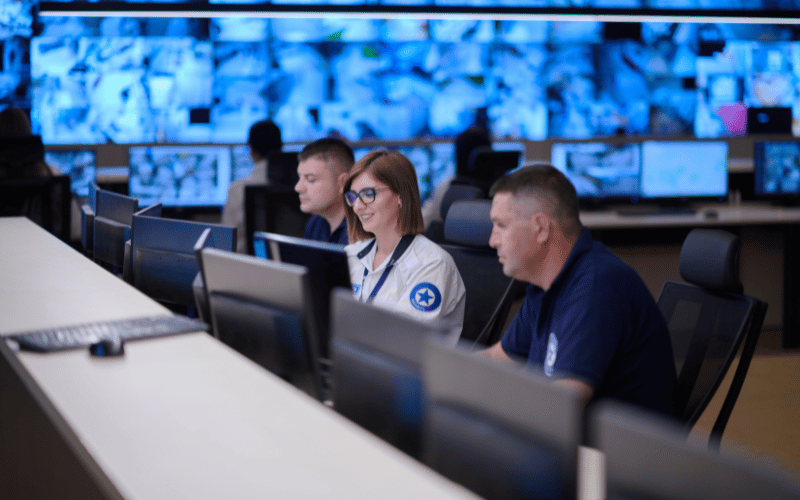
DCIM tools are the command center of a modern data center. They provide real-time visibility into assets, power usage, and environmental conditions, enabling you to make informed decisions. For example, a DCIM platform can track the power consumption of individual GPU server chassis, helping you identify energy-hungry units that may need upgrades or adjustments.
Take it a step further by integrating DCIM with IT service management (ITSM) systems. This integration enables you to implement predictive maintenance, where potential issues—such as overheating or power anomalies—are identified and flagged before they escalate into costly downtime. For instance, if a DCIM tool detects rising temperatures in a specific rack, it can trigger an ITSM ticket for immediate investigation, ensuring problems are resolved proactively.
Asset Lifecycle Management
Managing the lifecycle of your hardware is critical for maintaining efficiency and avoiding unnecessary costs. Start by developing a clear strategy for hardware replacement and disposal. For example, set benchmarks for when to retire GPU server chassis based on performance metrics, energy efficiency, or repair costs.
Regular audits are equally important. Conduct these audits to identify underutilized or idle resources, such as servers running at low capacity or storage systems with excessive unused space. Consolidating these resources can free up valuable rack space and reduce energy consumption.
Additionally, plan for environmentally responsible disposal of outdated hardware—partner with certified e-waste recyclers to ensure that retired equipment is disposed of in compliance with environmental regulations.
Staffing and Process Efficiency
Your team plays a pivotal role in the success of your data center operations. Equip them with the knowledge and tools they need to excel. Start by training staff on best practices for energy efficiency and airflow management. For example, teach them how to properly install blanking panels, seal gaps, and monitor cooling systems to prevent inefficiencies.
Automation is another key to operational efficiency. Automate repeatable tasks, such as server provisioning, patch management, and performance monitoring, to reduce human error and free up staff for higher-value activities. Standardizing operational procedures further ensures consistency and reliability. For instance, create detailed checklists for routine maintenance tasks, such as inspecting power distribution units (PDUs) or cleaning air filters, to ensure nothing gets overlooked.
By optimizing operations and management through DCIM tools, asset lifecycle strategies, and efficient staffing, you can create a data center that runs smoothly, efficiently, and sustainably. In the next section, we’ll explore how to tie all these elements together into a cohesive optimization strategy that drives long-term success.
Benefits of an Optimized Data Center
An optimized data center is more than just a collection of efficient systems—it’s a strategic asset that drives cost savings, supports sustainability, and ensures long-term scalability. Let’s break down the tangible benefits you can achieve by fine-tuning your data center operations.
Cost Savings
Reducing operational costs is one of the most immediate and measurable benefits of optimization. Lowering energy bills starts with improving power and cooling efficiency. For example, upgrading to high-efficiency power supplies and implementing hot aisle/cold aisle containment can significantly cut energy consumption. A well-optimized GPU server chassis, designed to minimize heat output, can further reduce cooling demands, resulting in annual savings of thousands of dollars in large-scale deployments.
Better management practices also extend the lifespan of your equipment. By maintaining optimal operating conditions—such as consistent airflow and temperature control—you reduce wear and tear on critical components. This means fewer replacements, less downtime, and lower maintenance costs over time.
Environmental Impact
Optimizing your data center doesn’t just save money—it also reduces your environmental footprint. Lower energy consumption directly translates to fewer carbon emissions, helping your organization meet sustainability goals. For instance, replacing older, inefficient servers with energy-efficient GPU server chassis can reduce power usage by up to 30%, thereby significantly lowering greenhouse gas emissions.
Sustainability efforts also resonate with stakeholders. Customers, investors, and employees increasingly value companies that prioritize environmental responsibility. By showcasing your commitment to green practices, you not only contribute to a healthier planet but also enhance your brand’s reputation.
Scalability and Reliability
An optimized data center is built to grow with your business. Scalability ensures that your infrastructure can handle future growth and increased demand without requiring a complete overhaul. For example, modular GPU server chassis allow you to add capacity incrementally, avoiding the need for costly, large-scale upgrades.
Reliability is another critical benefit. By addressing inefficiencies and implementing proactive maintenance strategies, you reduce the risk of downtime. For instance, integrating DCIM tools with predictive analytics can help you identify potential failures before they occur, ensuring uninterrupted operations even during peak demand.
By optimizing your data center, you unlock a trifecta of benefits: cost savings, environmental impact, and scalability. Each of these advantages strengthens your operations, making your data center a cornerstone of efficiency and innovation. In the next section, we’ll explore actionable steps to implement these optimizations and measure their success.
Future Trends in Data Center Optimization
The data center landscape is evolving rapidly, driven by technological advancements and the growing demand for efficiency and sustainability. Staying ahead of these trends is essential for businesses looking to future-proof their operations. Let’s explore the key developments shaping the future of data center optimization.
Emerging Technologies
Innovations like modular data centers and edge computing are redefining how we design and deploy infrastructure. Modular data centers, for instance, offer a flexible and scalable solution by utilizing pre-fabricated units that can be quickly deployed and expanded as needed. These units are particularly valuable for organizations with fluctuating workloads or those operating in remote locations. For example, a modular GPU server chassis can be added to an existing setup without disrupting operations, ensuring seamless scalability.
Edge computing is another game-changer. By processing data closer to its source, edge computing reduces latency and bandwidth usage, making it an ideal solution for applications such as IoT and AI. This trend is driving the development of compact, high-performance GPU server chassis designed to handle intensive workloads in smaller, decentralized environments.
AI-Driven Management
Artificial intelligence is becoming a cornerstone of data center optimization. AI-powered tools can analyze vast amounts of data in real time, identifying inefficiencies and predicting potential issues before they escalate. For example, AI can monitor the performance of GPU server chassis, flagging anomalies such as overheating or power spikes, and recommending corrective actions.
AI also plays a critical role in energy management. Machine learning algorithms can dynamically adjust cooling systems, power distribution, and workload allocation to maximize efficiency. For instance, AI might redirect workloads to servers in cooler areas of the data center, reducing the strain on cooling systems and lowering energy costs.
Sustainability Initiatives
The push for carbon neutrality is reshaping the data center industry. Companies are adopting renewable energy sources, such as solar and wind, to power their operations. Some are even exploring innovative solutions, such as liquid immersion cooling, which utilizes non-conductive fluids to cool servers more efficiently than traditional air-based systems.
The industry is also focusing on reducing e-waste. Strategies like hardware recycling and repurposing older GPU server chassis for less demanding tasks are gaining traction. Additionally, organizations are setting ambitious sustainability goals, such as achieving net-zero emissions by 2030, to align with global environmental standards.
By embracing emerging technologies, leveraging AI-driven management, and committing to sustainability, data centers can stay ahead of the curve while meeting the demands of a rapidly changing world. These trends not only enhance operational efficiency but also position businesses as leaders in innovation and environmental responsibility. In the next section, we’ll discuss how to integrate these trends into your data center strategy for maximum impact.
FAQs: Common Questions About Data Center Optimization
Q: What is the typical return on investment (ROI) for data center optimization projects?
A: The ROI for data center optimization projects varies depending on the scope and specific upgrades, but most businesses see a return within 12 to 24 months. For example, implementing energy-efficient cooling systems or upgrading to high-efficiency GPU server chassis can lead to immediate reductions in energy costs. Combining multiple strategies, such as airflow management and virtualization, often accelerates ROI by addressing multiple inefficiencies at once.
Q: How often should a data center conduct a PUE audit?
A: Conduct a PUE audit at least once a year to track energy efficiency and identify areas for improvement. However, if you’re implementing new systems or experiencing significant changes in workload, consider more frequent audits—quarterly or biannually. Regular monitoring ensures that your PUE remains within an optimal range and helps you catch inefficiencies before they escalate.
Q: What are the main risks associated with raising the data center temperature set point?
A: Raising the temperature set point can reduce cooling costs, but it also increases the risk of hardware overheating. GPU server chassis, in particular, generate significant heat and may experience performance degradation or shortened lifespans if temperatures exceed their design limits. To mitigate these risks, closely monitor temperature and airflow, and ensure that your cooling systems can handle the adjusted set point without compromising equipment reliability.
Q: Can simple practices like using blanking panels significantly impact energy consumption?
A: Yes, using blanking panels can have a noticeable impact on energy consumption. Blanking panels block unused rack spaces, preventing cool air from bypassing servers and mixing with hot air. This improves airflow efficiency, reducing the workload on cooling systems. Even small changes, such as sealing gaps, can lead to measurable energy savings, especially in high-density environments.
Q: How do cloud services fit into a larger data center optimization strategy?
A: Cloud services complement data center optimization by offloading workloads to external providers, reducing the strain on your on-premises infrastructure. For example, migrating non-critical applications to the cloud can free up resources for GPU-intensive tasks, improving overall efficiency. Additionally, cloud providers often operate highly optimized data centers, allowing you to benefit from their energy-efficient practices without making significant investments in your own facility.
Conclusion: Building a Sustainable Future
Optimizing data center efficiency is essential for achieving cost savings, supporting sustainability goals, and ensuring scalability to meet future demands. By implementing strategies like airflow management, advanced cooling techniques, hardware upgrades, and AI-driven monitoring, you can transform your data center into a high-performing, energy-efficient operation. Take action now to future-proof your infrastructure and reduce your environmental impact. Start optimizing your data center today for a greener, more efficient tomorrow.
