


Every year, water damage alone costs consumers and businesses billions of dollars in ruined electronics. From smartphones dropped in puddles to industrial equipment exposed to dust storms, protecting devices from environmental hazards has never been more critical. This is where IP ratings step in as your first line of defense.
IP ratings, or Ingress Protection ratings, classify a device’s resistance to intrusion from solid particles, such as dust, and liquids, like water. These ratings are essential across various industries, including consumer electronics, manufacturing, and outdoor installations. Whether you’re choosing a waterproof phone or ensuring your factory equipment can withstand harsh conditions, understanding IP ratings helps you make informed decisions.
This guide will demystify IP ratings, helping you read and interpret them with confidence. We’ll explore practical applications, highlight common misconceptions, and provide actionable advice to help you select the right IP rating for your specific needs. By the end, you’ll know exactly how to protect your electronics, no matter the environment.
What Are IP Ratings?
IP ratings are more than just a string of letters and numbers—they’re a universal language for durability and protection. To truly understand their importance, let’s break down what they mean, why they matter, and where they’re most commonly applied.
Definition and Purpose
IP ratings, short for Ingress Protection ratings, classify a device’s resistance to intrusion from solid objects, such as dust, and liquids, like water. These ratings adhere to the international standard IEC 60529, ensuring consistency and reliability worldwide. Think of IP ratings as a device’s armor, designed to protect it from environmental hazards that could compromise its performance or lifespan.
Each IP rating consists of two digits. The first digit indicates protection against solids, such as dust or debris, on a scale from 0 (no protection) to 6 (dust-tight). The second digit measures resistance to liquids, ranging from 0 (no protection) to 9K (high-pressure, high-temperature water jets). For example, an IP68 rating means the device is both dust-tight and capable of withstanding continuous immersion in water.
These ratings play a crucial role in ensuring safety and durability, particularly for electronics exposed to demanding environments. Whether you’re designing a GPU server chassis for a dusty data center or selecting outdoor equipment for a marine environment, IP ratings provide a clear benchmark for protection.
Common Applications
IP ratings are indispensable across a wide range of industries and scenarios. They act as a guiding light for manufacturers, engineers, and consumers alike, ensuring that devices meet the demands of their intended environments.
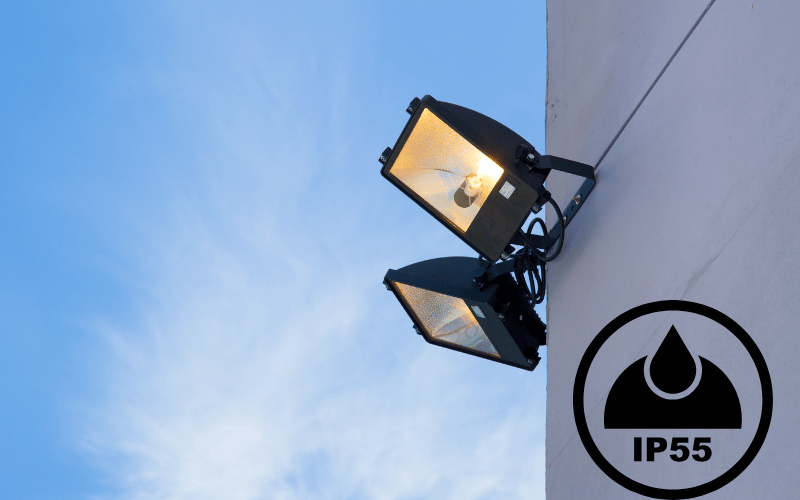
- Outdoor Electronics: Devices like security cameras, solar panels, and outdoor lighting rely on high IP ratings to withstand rain, snow, and dust. For instance, an IP65-rated outdoor camera can handle heavy rain and dust storms, making it ideal for unpredictable weather conditions.
- Industrial Equipment: In factories and warehouses, machinery is often exposed to dust, oil, and water. IP-rated enclosures protect sensitive components, ensuring uninterrupted operation even in the most extreme conditions. A GPU server chassis with an IP54 rating, for example, can resist dust and splashes, making it suitable for industrial data processing.
- Marine Environments: Electronics used on boats or near water require robust protection against saltwater and humidity. Devices with IP67 or higher ratings can survive submersion, ensuring reliability in marine applications.
- Consumer Electronics: Smartphones, smartwatches, and earbuds often boast IP ratings to reassure users of their durability. An IP68-rated phone, for example, can survive accidental drops in water, offering peace of mind for everyday use.
By understanding the definition, purpose, and applications of IP ratings, you can make informed decisions that prioritize safety, durability, and performance. In the next section, we’ll dive deeper into how to interpret these ratings and what they mean for your specific needs.
How to Read IP Ratings
IP ratings may look like a cryptic code at first glance, but they’re actually a straightforward way to understand how well a device is protected against environmental hazards. By breaking down the structure of an IP rating, you can quickly assess whether a product meets your specific needs. Let’s decode the system step by step.
Breaking Down the Code
An IP rating always starts with the letters “IP,” followed by two digits and, in some cases, optional letters. Each part of the code has a specific meaning:
- First Digit: Indicates protection against solid objects, such as dust or debris.
- Second Digit: Represents resistance to liquids, such as water.
- Optional Letters: Provide additional information, such as resistance to high-pressure water or specific mechanical hazards.
For example, an IP68 rating tells you the device is both dust-tight (6) and capable of withstanding continuous immersion in water (8).
First Digit: Protection Against Solids
The first digit in an IP rating ranges from 0 to 6, with higher numbers offering greater protection against solid objects and dust. Here’s a detailed breakdown:
| Level of Protection | Effective Against |
|---|---|
| 0 | No protection against solids. Test not required. |
| 1 | Protects against objects larger than 50mm, such as a hand. |
| 2 | Blocks objects over 12.5mm, like fingers. |
| 3 | Shields against objects larger than 2.5mm, such as thick wires or small tools. |
| 4 | Protects against objects over 1mm, like screws or thin tools. |
| 5 | Dust-protected: Some dust may enter, but it won¡¯t interfere with operation. |
| 6 | Dust-tight: Complete protection against dust. |
For example, a GPU server chassis with an IP54 rating can handle dust particles and small tools, making it suitable for industrial environments where debris is common.
Second Digit: Protection Against Liquids
The second digit in an IP rating ranges from 0 to 9K, with higher numbers indicating better water resistance. Here’s a detailed breakdown:
| Level of Protection | Effective Against |
|---|---|
| 0 | No rated protection against water. Test not required. |
| 1 | Protected against vertically falling drops of water. Limited ingress permitted. |
| 2 | Protected against falling drops of water when tilted up to 15°. Limited ingress permitted. |
| 3 | Protected against sprays of water up to 60° from vertical. Similar to a low-pressure shower head. Limited ingress permitted for three minutes. |
| 4 | Protected against water splashed from all directions. Similar to a low-pressure shower head. Limited ingress permitted. |
| 5 | Protected against jets of water from all directions. Similar to a garden hose with a 6.3mm (0.24 inches) nozzle. Limited ingress permitted. |
| 6 | Protected against powerful jets of water from all directions. Similar to a fire hose with a 12.5mm (0.49 inches) nozzle. Water will not enter in harmful quantities. |
| 7 | Protected against immersion in water between 15cm (5.9 inches) and 1m (39.37 inches) for 30 minutes. |
| 8 | Protected against immersion in water under pressure for extended periods. Depth and duration depend on manufacturer specifications. |
| 9K | Protected from close-range, high-pressure, high-temperature water jets or steam cleaning. |
For instance, an IP67-rated device, such as a rugged outdoor GPU server chassis, can survive both dust and temporary submersion, making it ideal for harsh environments. On the other hand, an IP69K-rated device is designed for extreme conditions, such as industrial cleaning with high-pressure, high-temperature water jets.
Optional Letters
Some IP ratings include optional letters to provide additional details about the device’s protection. Here are a few common ones:
- K: Indicates resistance to high-pressure, high-temperature water jets, often critical for industrial equipment.
- F: Denotes oil resistance, useful for machinery in manufacturing environments.
- H: Highlights high-voltage protection, relevant for electrical enclosures.
For instance, an IP69K-rated server chassis can withstand both dust and high-pressure cleaning, making it ideal for industries such as food processing or mining, where equipment is exposed to extreme conditions.
By understanding how to read IP ratings, you can confidently evaluate whether a device meets your protection requirements. In the next section, we’ll explore practical applications of IP ratings and how they influence real-world decisions.
Choosing the Right IP Rating for Different Environments
Selecting the correct IP rating isn’t just a technical decision—it’s about ensuring your equipment thrives in its intended environment. Whether you’re protecting a GPU server chassis in a controlled indoor setting or deploying rugged devices in harsh outdoor or industrial conditions, the right IP rating can make all the difference. Let’s explore how to match IP ratings to specific environments.
Indoor vs. Outdoor Equipment
Indoor and outdoor environments present vastly different challenges, and IP ratings help address these unique demands.
- Indoor Equipment: For most indoor applications, where devices are shielded from water and heavy dust, an IP20 rating or higher is typically sufficient. For example, a GPU server chassis in a climate-controlled data center doesn’t need to withstand rain or snow, but it should still prevent accidental contact with internal components.
- Outdoor Equipment: Outdoor devices face exposure to rain, snow, and dust, requiring higher IP ratings. For instance, an outdoor GPU server chassis used in edge computing may require an IP65 rating to withstand both dust and water jets. This ensures the equipment remains operational even during adverse weather conditions.
Industrial and Manufacturing Settings
Industrial environments are unforgiving, characterized by high levels of dust, moisture, and potential chemical exposure. IP ratings play a crucial role in ensuring the durability and safety of equipment.
- General Industrial Use: In factories or warehouses with significant dust or occasional water exposure, an IP65 or IP66 rating is essential. These ratings ensure the device is dust-tight and can withstand water jets, making them ideal for GPU server chassis used in industrial automation or data processing.
- Food Processing: Sanitation is paramount in food processing facilities, where equipment undergoes frequent high-pressure, high-temperature washdowns. Devices in these settings often require an IP69K rating, which protects against both dust and extreme water jets. For example, a GPU server chassis used in a food-grade environment must meet this standard to ensure compliance with hygiene regulations.
Marine and Underwater Applications
Marine environments present unique challenges, including saltwater corrosion and constant exposure to moisture. IP ratings help ensure devices can withstand these harsh conditions.
- Heavy Splashing: For equipment near water but not fully submerged, an IP67 rating is often sufficient. This rating ensures the device is dust-tight and can handle temporary immersion, making it suitable for GPU server chassis used on ships or near docks.
- Continuous Immersion: Devices that operate underwater, such as sensors or underwater drones, require an IP68 rating. This ensures protection against both dust and prolonged immersion, with specific depth and duration parameters defined by the manufacturer.
A Comparison of Common Ratings
Understanding the practical applications of standard IP ratings can help you make informed decisions:
- IP44: Provides basic protection against solid objects larger than 1mm and splashing water. Suitable for indoor use, such as light fixtures or basic enclosures.
- IP65: Dust-tight and resistant to low-pressure water jets. Commonly used for outdoor power outlets, lighting, and GPU server chassis in edge computing.
- IP67: Dust-tight and capable of withstanding temporary immersion in water up to 1 meter. Frequently used for smartphones, rugged laptops, and outdoor server enclosures.
- IP68: Dust-tight and designed for continuous immersion in water beyond 1 meter. Ideal for underwater sensors, marine equipment, and high-performance GPU server chassis in extreme environments.
By aligning the IP rating with the specific challenges of your environment, you can ensure your equipment remains reliable and efficient. In the next section, we’ll explore how to balance cost and protection when selecting IP-rated devices for your setup.
Misconceptions and Limitations of IP Ratings
IP ratings are a valuable tool for understanding a device’s resistance to dust and water, but they’re not a one-size-fits-all solution. Misinterpreting what these ratings mean or overlooking their limitations can lead to costly mistakes. Let’s clear up some common misconceptions and explore the boundaries of what IP ratings can and cannot do.
IP Ratings Are Not a Guarantee of Durability
An IP rating might seem like a badge of invincibility, but it’s not. These ratings focus on specific types of protection—such as dust and water ingress—not overall durability or resistance to other environmental factors.
For example, an IPX7-rated device can survive temporary immersion in water up to 1 meter, but that doesn’t mean it can handle prolonged exposure to saltwater or harsh chemicals. Saltwater, in particular, can corrode materials over time, especially if the device isn’t explicitly designed for marine environments. Similarly, an IP rating doesn’t account for physical impacts. A GPU server chassis with an IP65 rating may resist dust and water jets, but a harsh drop or collision could compromise its structural integrity, rendering the protection ineffective.
When evaluating IP ratings, always consider the specific conditions your device will face. If your equipment will encounter chemicals, vibrations, or extreme temperatures, you’ll need to look beyond the IP rating and assess the materials and build quality.
Testing Conditions vs. Real-World Use
IP ratings are determined under controlled laboratory conditions, which often fail to reflect the complexities of real-world environments accurately.
During testing, devices are exposed to specific conditions, such as water jets or immersion, for a set duration. However, these tests don’t account for long-term wear and tear. For instance, the gaskets and seals that provide water resistance can degrade over time, especially in environments with fluctuating temperatures or constant use. A GPU server chassis that starts as IP67-rated might lose its effectiveness if its seals crack or its enclosure sustains damage.
Additionally, real-world scenarios often combine multiple stressors. A device may be exposed to dust, water, vibrations, and temperature changes simultaneously, which can exceed the scope of IP testing. Regular maintenance and inspections are crucial to ensure that your equipment continues to meet its intended protection level.
IP Ratings vs. NEMA Standards
For readers in the U.S., it’s essential to understand how IP ratings compare to NEMA (National Electrical Manufacturers Association) standards. While both systems measure protection, they differ in scope and focus.
- IP Ratings: Focus exclusively on protection against dust and water ingress. They use a standardized two-digit system, making them straightforward to interpret.
- NEMA Ratings: Cover a broader range of environmental factors, including corrosion, oil resistance, and even ice formation. For example, a NEMA Type 4 enclosure offers protection against windblown dust, rain, and hose-directed water, similar to an IP65 rating, but also includes resistance to ice.
If you’re working in an industrial or outdoor setting in the U.S., NEMA ratings might provide a more comprehensive picture of a device’s suitability. However, IP ratings remain the global standard for dust and water protection, making them more universally recognized.
Understanding the limitations of IP ratings ensures you don’t overestimate their capabilities. By considering real-world conditions, maintenance needs, and alternative standards, such as NEMA, you can make more informed decisions about protecting your equipment. In the next section, we’ll explore practical tips for maintaining IP-rated devices to maximize their lifespan and performance.
Future Trends in IP Protection
As technology evolves, so do the methods for safeguarding it. The future of IP protection is being shaped by advancements in sealing technology and a growing emphasis on sustainability. These trends are not just about meeting higher standards—they’re about redefining what’s possible in protecting sensitive equipment, such as GPU server chassis, in increasingly demanding environments.
Advancements in Sealing Technology
Sealing technology is the unsung hero of IP protection, and it’s undergoing a quiet revolution. Manufacturers are pushing the boundaries of materials and designs to create seals that are more effective, durable, and versatile.
- Innovative Materials: Traditional rubber gaskets are being replaced or enhanced with advanced polymers and silicone blends. These materials offer superior resistance to temperature extremes, UV exposure, and chemical degradation. For example, a GPU server chassis designed for outdoor use might feature silicone seals that remain flexible in freezing conditions while resisting cracking under intense heat.
- Dynamic Seals: Engineers are developing seals that adapt to environmental changes. For instance, some designs expand or contract in response to temperature fluctuations, maintaining a tight seal even in extreme conditions. This is particularly valuable for equipment exposed to both high-performance heat generation and external weather elements.
- Nanotechnology: The integration of nanocoatings is another game-changer. These ultra-thin, water-repellent layers can be applied to internal components, providing an additional layer of protection even if the outer enclosure is compromised. For GPU server chassis, this means added security for critical components, such as GPUs and power supplies, ensuring uninterrupted performance.
These advancements not only improve protection but also extend the lifespan of IP-rated devices, reducing the need for frequent replacements or repairs.
Sustainability in Enclosure Design
As industries prioritize sustainability, the design and manufacturing of protective enclosures are becoming more eco-friendly. Both environmental concerns and the demand for cost-effective, long-lasting solutions drive this shift.
- Recyclable Materials: Manufacturers are increasingly using recyclable metals and plastics in enclosure production. Aluminum, for example, is lightweight, corrosion-resistant, and fully recyclable, making it a popular choice for GPU server chassis. Some companies are even exploring biodegradable polymers for non-industrial applications.
- Energy-Efficient Manufacturing: Advances in manufacturing processes are reducing the carbon footprint of enclosure production. Techniques such as 3D printing and precision machining minimize material waste while enabling highly customized designs. This is particularly useful for creating bespoke GPU server chassis that meet specific IP requirements without unnecessary bulk.
- Modular Designs: Modular enclosures are gaining traction as a sustainable alternative to traditional designs. These systems allow users to replace or upgrade individual components rather than discarding the entire unit. For example, a modular GPU server chassis might feature interchangeable panels with varying IP ratings, allowing users to adapt to changing environmental conditions without requiring new hardware investments.
Sustainability in enclosure design isn’t just about being green—it’s about creating more innovative, more adaptable solutions that align with the needs of modern industries.
The future of IP protection lies at the intersection of innovation and responsibility. By embracing cutting-edge sealing technologies and sustainable design practices, manufacturers are setting new benchmarks for durability and environmental stewardship. In the next section, we’ll explore how these trends are already influencing real-world applications and what they mean for the next generation of GPU server chassis.
FAQs: Common Questions About IP Ratings
Q: Does a high IP rating mean the device is completely waterproof?
A: No, a high IP rating doesn’t guarantee complete waterproofing. While ratings like IP67 and IP68 indicate strong water resistance, they specify protection under certain conditions, such as temporary or continuous immersion. For example, an IP68-rated device can handle prolonged immersion, but the depth and duration depend on the manufacturer’s specifications. Always check the product details to understand its exact limitations.
Q: How often should the ingress protection rating of industrial enclosures be checked?
A: You should inspect industrial enclosures regularly, ideally as part of routine maintenance schedules. Factors like aging seals, physical damage, or exposure to harsh environments can compromise the enclosure’s protection over time. For high-risk environments, such as food processing facilities or outdoor installations, inspect the enclosures periodically to ensure they maintain their IP rating.
Q: What is the difference between IP67 and IP68 protection levels?
A: The difference lies in the level of water protection. Both IP67 and IP68 are dust-tight, but IP67 protects against temporary immersion in water up to 1 meter for 30 minutes. IP68, on the other hand, offers protection for continuous immersion, with the depth and duration specified by the manufacturer. For example, an IP68-rated device may survive underwater for several hours at a depth of 3 meters, depending on its design.
Q: Can a product be rated for continuous immersion (IP68) but not protected against powerful jets (IP66)?
A: Yes, this is possible. IP ratings test for specific conditions, and a product rated for IP68 might not withstand high-pressure water jets. For example, an IP68-rated device designed for underwater use may lack the structural reinforcement needed to resist the force of water jets tested under IP66. Always match the IP rating to the specific environmental challenges your device will face.
Q: Where can I find the official international standards for IP ratings?
A: You can access the official standards for IP ratings in the IEC 60529 document, published by the International Electrotechnical Commission (IEC). Many national standards organizations, such as ANSI in the U.S. or BSI in the U.K., also provide access to these standards. Check their official websites or authorized distributors for the most up-to-date versions.
Conclusion: Making Informed Protection Decisions
Understanding IP ratings is crucial in selecting equipment that remains safe and functional in its intended environment. By considering IP ratings during the purchasing or design process, you can ensure your devices withstand the challenges they will face. Next time you shop for electronics, check the IP rating to ensure it meets your needs.
