


Data centers consume as much energy as some small countries, making them a significant contributor to global energy consumption and carbon emissions. This staggering statistic highlights the urgent need to rethink how we power the digital world. Traditional data centers, with their immense energy and resource demands, pose a growing challenge to sustainability. They require vast amounts of electricity to run servers and cooling systems, often relying on non-renewable energy sources that exacerbate environmental harm.
The solution lies in green data centers—facilities designed to minimize environmental impact through energy efficiency, the integration of renewable energy, and sustainable practices. Green data centers not only reduce carbon footprints but also offer long-term cost savings and align with global sustainability goals. They represent a critical step forward in balancing the digital revolution with environmental responsibility.
In this guide, we’ll explore the concept of green data centers in depth. You’ll learn about their key features, the technologies driving their success, and actionable steps to transition toward eco-friendly computing. By the end, you’ll understand why adopting green data centers is not just a choice but a necessity for a sustainable future.
The Environmental Impact of Traditional Data Centers
As someone who has spent years immersed in the intricacies of GPU server chassis design, I’ve seen firsthand how traditional data centers operate—and the environmental toll they take. These facilities, while powering our digital age, are also some of the most resource-intensive infrastructures on the planet. Let’s break down the key areas of their environmental impact.
The Energy Footprint Problem
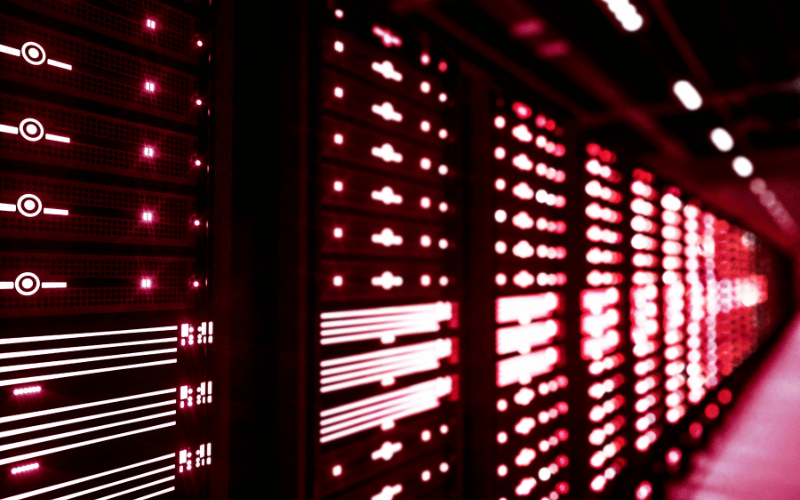
Traditional data centers are voracious energy consumers. Picture rows upon rows of servers, storage devices, and networking equipment, all humming away 24/7. Each of these components demands a constant supply of electricity to function. To put this into perspective, the energy consumption of data centers worldwide rivals that of small countries like Denmark or Argentina. This isn’t just a statistic—it’s a wake-up call.
The problem doesn’t stop at powering the servers. Data centers also require energy-intensive cooling systems to prevent overheating, which compounds their already massive energy footprint. For every watt of power used by IT equipment, nearly an equivalent amount is consumed by cooling systems. This inefficiency creates a cycle of energy waste that’s difficult to ignore.
The Heat Generation Dilemma
Servers and other IT equipment are like marathon runners—they generate a tremendous amount of heat as they work tirelessly to process data. To keep these systems from overheating, traditional data centers rely heavily on HVAC (heating, ventilation, and air conditioning) systems. While effective, these cooling systems are far from efficient. They consume a significant amount of electricity, often doubling the facility’s energy requirements.
This reliance on traditional cooling methods is akin to using a bucket to bail water out of a sinking ship—it addresses the immediate problem but doesn’t solve the underlying inefficiency. The energy wasted on cooling alone is a glaring issue that demands innovative solutions.
Resource Consumption Beyond Electricity
The environmental impact of traditional data centers extends beyond the use of electricity. Water, for instance, plays a significant role in cooling processes. Many facilities utilize water-cooled systems, which can consume millions of gallons of water annually. This not only strains local water supplies but also raises concerns about sustainability in regions already facing water scarcity.
Then there’s the issue of electronic waste, also known as e-waste. Data centers frequently upgrade their hardware to keep pace with technological advancements, resulting in a constant turnover of servers, storage devices, and networking equipment. Disposing of this outdated hardware often results in mountains of e-waste, much of which ends up in landfills, leaching harmful chemicals into the environment.
By understanding these challenges, we can begin to appreciate the urgency of transitioning to more sustainable practices. In the next section, we’ll explore how green data centers address these issues and pave the way for a more eco-friendly future.
Core Components of a Green Data Center
Building a green data center isn’t just about checking boxes—it’s about creating a facility that balances cutting-edge performance with environmental responsibility. By integrating the following components, green data centers can dramatically reduce their environmental footprint while meeting the demands of modern computing. Let’s break it down.
Energy-Efficient Servers and Hardware
Think of your servers as the heart of your data center. To maintain a healthy heart, green data centers rely on energy-efficient servers, storage devices, and networking equipment. These systems are designed to deliver top-tier performance while consuming less power. For example, low-power chips and optimized GPU server chassis ensure that every watt of energy is utilized effectively, reducing waste without compromising speed or reliability.
Virtualization
Why run ten servers when one can do the job? Virtualization enables multiple virtual servers to run on a single physical machine, reducing the need for multiple physical servers. This not only saves energy but also frees up valuable space. It’s like turning a single athlete into a team of specialists, each handling a different task with precision.
Renewable Energy Sources
Green data centers don’t just consume energy—they source it responsibly. By tapping into solar, wind, or hydroelectric power, these facilities reduce their reliance on fossil fuels and cut carbon emissions. Imagine a data center powered by the sun during the day and wind turbines at night, seamlessly blending sustainability with performance.
Advanced Cooling Systems
Cooling is one of the biggest energy drains in traditional data centers, but green facilities are rewriting the rules. Liquid cooling, for instance, submerges servers in a thermally conductive liquid, achieving unparalleled heat transfer efficiency. Free air cooling utilizes natural airflow, while hot aisle/cold aisle containment ensures that cool air is directed precisely where it’s needed. These innovations turn cooling from an energy hog into an energy hero.
Energy-Efficient Lighting
Even the lighting in a green data center pulls its weight. LED lighting, which consumes less energy and lasts longer than traditional bulbs, efficiently illuminates the facility. It’s a small change with a big impact, proving that every detail matters when it comes to sustainability.
Data Center Infrastructure Management (DCIM)
DCIM software is the brain behind the operation, optimizing resource utilization and monitoring energy consumption in real-time. Think of it as a data center’s personal trainer, constantly identifying inefficiencies and pushing for better performance. With DCIM, you’re not just running a data center—you’re running a smarter, leaner, greener operation.
Green Building Design
The building itself plays a starring role in sustainability. Green data centers utilize materials such as recycled steel, sustainably sourced wood, and low-carbon concrete to minimize their environmental footprint during construction. Smart design choices, such as optimized insulation and effective airflow management, ensure that the facility works in harmony with the environment, not against it.
Waste Heat Recovery
Why let all that heat go to waste? Green data centers capture the heat generated by servers and repurpose it to warm nearby buildings or fuel industrial processes. It’s like turning a byproduct into a bonus, reducing overall energy waste, and creating a win-win for the environment and the community.
Efficient Power Distribution
Energy efficiency doesn’t stop at the servers. High-efficiency power distribution units (PDUs) and uninterruptible power supplies (UPS) ensure that electricity flows smoothly and with minimal loss. Every watt counts, and these systems make sure none of it goes to waste.
Water Conservation
Water is a precious resource, and green data centers treat it as such. By utilizing recycled water for cooling systems and implementing water-efficient technologies, these facilities significantly reduce their water consumption. Closed-loop cooling systems, for example, recycle water instead of wasting it, ensuring sustainability even in regions where water is scarce.
By combining these components, green data centers don’t just meet the demands of modern computing—they redefine what’s possible. Every decision, from the servers to the building materials, contributes to a facility that’s as efficient as it is sustainable. This isn’t just the future of data centers—it’s the future of responsible innovation.
Design, Operation, and Certification
Green data centers are not just an environmental choice—they are a strategic move that delivers measurable economic and reputational advantages. By focusing on efficiency, sustainability, and innovation, these facilities offer benefits that extend far beyond reducing carbon footprints. Let’s break down the key advantages.
Sustainable Building Design
The foundation of a green data center starts with its building design. Please consider the facility itself as a living, breathing entity that can either support or hinder your sustainability goals. To minimize environmental impact, use materials with low embodied carbon, such as recycled steel, sustainably sourced wood, or low-carbon concrete. These choices reduce the carbon footprint of construction before the data center even goes online.
Next, focus on the building layout. Optimize the design to maximize natural light and airflow, reducing the need for artificial lighting and mechanical ventilation. For example, strategically placed windows and skylights can illuminate common areas, while well-designed ventilation systems can capitalize on natural airflow to reduce cooling demands.
One often-overlooked strategy is the capture and reuse of waste heat. Data centers generate enormous amounts of heat, which can be repurposed to warm nearby buildings or even integrated into district heating systems. This not only reduces energy waste but also turns a byproduct into a valuable resource.
Operational Best Practices
Even the most sustainably designed data center can fall short without proper operational practices. Regular audits and performance tracking are essential to ensure that energy, water, and resource usage remain efficient over time. Use monitoring tools to identify inefficiencies and address them proactively.
Another critical practice is extending the hardware lifecycle. Instead of replacing servers and equipment at the first sign of obsolescence, consider options such as upgrades, refurbishments, or repurposing. When hardware does reach the end of its life, ensure it’s recycled responsibly to minimize e-waste.
Water usage is another area where operational improvements can significantly impact results. Implement water reduction strategies, such as replacing evaporative cooling systems with closed-loop or air-cooled alternatives. These systems drastically reduce water consumption while maintaining effective cooling.
Standards and Certifications
Certifications are the benchmarks that validate your data center’s sustainability efforts. Achieving certifications like LEED (Leadership in Energy and Environmental Design) demonstrates a commitment to environmentally responsible building practices. LEED evaluates factors such as energy efficiency, water usage, and material selection, providing a comprehensive framework for sustainable design.
Beyond LEED, consider other industry standards, such as Energy Star for Data Centers, which focuses on operational efficiency, or ISO 50001, which emphasizes energy management systems. These certifications not only ensure compliance with sustainability metrics but also enhance your facility’s reputation as a leader in green technology.
Meeting these standards isn’t just about earning a badge of honor—it’s about aligning your operations with global sustainability goals. Certifications provide a roadmap for continuous improvement, ensuring that your data center remains efficient and environmentally friendly over its lifecycle.
By integrating sustainable building design, adopting operational best practices, and pursuing industry certifications, you can create a data center that sets the standard for environmental responsibility. In the next section, we’ll dive into the technologies and innovations driving the future of green data centers, ensuring you stay ahead of the curve.
Benefits of Green Data Centers
Green data centers represent a strategic shift that delivers measurable economic and environmental benefits. They are not just about reducing carbon footprints—they are about creating smarter, more efficient operations that align with both business goals and global sustainability efforts. Let’s break down the advantages in detail.
Economic Advantages
One of the most immediate and tangible benefits of green data centers is the reduction in operating costs. By optimizing energy usage through efficient power supplies, intelligent cooling systems, and renewable energy sources, you can significantly lower your energy bills. For example, a data center with a low Power Usage Effectiveness (PUE) can save millions of dollars annually compared to a less efficient facility.
Green data centers also contribute to an increased hardware lifespan. Advanced cooling strategies, such as liquid cooling or hot and cold aisle containment, reduce thermal stress on servers, minimizing wear and tear. This means fewer repairs, less downtime, and a longer equipment lifecycle—saving you money in the long run.
Additionally, many governments offer tax incentives or subsidies for businesses that adopt sustainable practices. These can include grants for renewable energy installations, tax breaks for energy-efficient upgrades, or rebates for meeting specific environmental standards. Utilizing these programs can help further offset the costs associated with transitioning to a green data center.
Environmental and Reputational Gains
The environmental benefits of green data centers are undeniable. By reducing carbon emissions and minimizing resource consumption, these facilities play a critical role in combating climate change. For companies with corporate sustainability goals, green data centers are a powerful means of meeting Environmental, Social, and Governance (ESG) reporting requirements, thereby demonstrating a commitment to environmental stewardship.
But the benefits don’t stop at the environment. A green data center can significantly enhance your public image. Customers and stakeholders are increasingly valuing sustainability, and operating an eco-friendly facility can help build trust and loyalty. It signals that your company is forward-thinking, responsible, and aligned with global efforts to create a sustainable future.

Case Studies
To truly understand the impact of green data centers, let’s look at some real-world examples. Google, for instance, has been a pioneer in sustainability, achieving carbon neutrality since 2007. Their data centers utilize advanced cooling techniques, including free cooling and machine learning algorithms, to optimize energy efficiency. By sourcing renewable energy through power purchase agreements, Google has set a benchmark for green operations.
Another example is LinkedIn, which has implemented innovative strategies, such as liquid cooling and waste heat recovery, in its data centers. These efforts have not only reduced their environmental impact but also lowered operational costs, demonstrating that sustainability and profitability can be mutually beneficial.
From these case studies, one key lesson emerges: innovation is the cornerstone of sustainability. Whether it’s adopting cutting-edge cooling technologies or integrating renewable energy, the most successful green data centers are those that embrace change and continuously seek improvement.
By transitioning to a green data center, you’re not just reducing costs and emissions—you’re positioning your business as a leader in sustainability. In the next section, we’ll explore how to implement these strategies effectively, ensuring a seamless and impactful transition to greener operations.
The Future of Green Data Centers
The evolution of green data centers is not just a trend—it’s a necessity driven by technological innovation, shifting energy strategies, and an unwavering commitment to sustainability. These advancements are redefining how data centers operate, paving the way for a more efficient and environmentally responsible future. Let’s examine the key developments driving this transformation.
Emerging Technologies
The next generation of green data centers will be powered by AI-driven energy optimization. Artificial intelligence is already making waves in resource management, utilizing predictive analytics to adjust power and cooling systems in real-time. For example, AI can analyze server workloads and dynamically allocate resources, ensuring that energy is used only where it’s needed. This not only reduces waste but also enhances overall efficiency.
On the hardware side, developments in server technology are paving the way for more sustainable operations. Low-power chips, designed to deliver high performance with minimal energy consumption, are becoming increasingly common. These chips are particularly valuable in GPU server chassis, where energy efficiency is critical for handling intensive computational tasks.
Another exciting trend is the growth of modular and micro data center deployments. These compact, self-contained units can be deployed closer to end-users, reducing the latency and energy costs associated with long-distance data transmission. Modular designs also allow for incremental scaling, so you can expand capacity without overbuilding or wasting resources.
Trends in Cooling and Energy
Cooling technology is evolving rapidly, with liquid immersion cooling emerging as a game-changer. By submerging servers in a thermally conductive, non-conductive liquid, this method achieves unparalleled heat transfer efficiency. It’s particularly well-suited for high-density GPU workloads, where traditional air cooling often falls short. As adoption increases, liquid immersion cooling is set to become a cornerstone of green data center design.
Another intriguing development is the use of blockchain for tracking and enhancing energy transparency. Blockchain technology can create a decentralized ledger that tracks energy usage and sources in real time. This ensures accountability and allows data centers to prove their reliance on renewable energy, building trust with stakeholders and customers alike.
Vision for Sustainability
Looking ahead, green data centers will play a pivotal role in creating a sustainable digital future. As the demand for data continues to grow, so too will the need for facilities that can meet this demand without compromising the environment. Green data centers will serve as the backbone of this transformation, enabling businesses to scale their operations in a responsible manner.
The vision is clear: a world where data centers are not just energy-efficient but energy-positive, contributing more to the grid than they consume. This will require a combination of cutting-edge technology, innovative design, and a steadfast commitment to sustainability. But with the right strategies and investments, it’s a future well within our reach.
The future of green data centers is promising, driven by advancements in technology and a collective commitment to sustainability. In the next section, we’ll discuss actionable steps to prepare your data center for this future, ensuring you stay ahead of the curve and ready to embrace the opportunities it brings.
FAQs: Common Questions About Green Data Centers
Q: What is the difference between an energy-efficient data center and a green data center?
A: An energy-efficient data center focuses on reducing energy consumption through optimized power usage and cooling systems. A green data center goes a step further by incorporating renewable energy sources, sustainable building materials, and eco-friendly practices. While energy efficiency is a key component, a green data center also addresses water usage, e-waste management, and carbon neutrality.
Q: What does the Power Usage Effectiveness (PUE) metric mean?
A: Power Usage Effectiveness (PUE) measures how efficiently a data center uses energy. It’s calculated by dividing the total energy consumed by the facility by the energy used solely for IT equipment. A PUE of 1.0 indicates perfect efficiency, where all energy powers IT equipment without waste, including cooling and other overhead. Lowering your PUE improves energy efficiency and reduces operational costs.
Q: How can a small business transition to using green data center services?
A: Small businesses can start by partnering with data centers that prioritize sustainability. Look for providers that use renewable energy, have low PUE scores, and hold certifications like LEED or Energy Star. Additionally, businesses can consolidate their IT workloads through virtualization to reduce their energy footprint. Inquiring about providers’ green initiatives ensures alignment with your sustainability goals.
Q: Is it more expensive to build a green data center initially?
A: Yes, building a green data center often requires higher upfront investment due to advanced technologies like renewable energy systems and efficient cooling methods. However, these costs pay off over time through lower energy bills, reduced maintenance, and potential tax incentives. The long-term savings and environmental benefits far outweigh the initial expenses.
Q: What role does location play in a green data center design?
A: Location significantly impacts a green data center’s efficiency. Cooler climates reduce the need for energy-intensive cooling systems, while proximity to renewable energy sources like wind or solar farms ensures a steady supply of green power. Additionally, locating data centers near end users minimizes energy loss during data transmission, further enhancing sustainability.
Q: Can a traditional data center be retrofitted to become green?
A: Absolutely. Retrofitting a traditional data center involves upgrading to energy-efficient power supplies, implementing advanced cooling strategies like liquid cooling, and integrating renewable energy sources. Conducting energy audits helps identify inefficiencies, while replacing outdated hardware and improving airflow management can significantly reduce the facility’s environmental impact.
Conclusion: Making the Shift Necessary
Transitioning from traditional to green data center models is no longer optional—it’s essential. By adopting energy-efficient technologies, renewable energy sources, and sustainable practices, businesses can reduce their environmental impact while cutting operational costs. Sustainability and profitability go hand in hand, proving that eco-friendly operations benefit both the planet and the bottom line. Now is the time to act. Businesses must embrace green practices and lead the charge toward a sustainable future. The shift starts with you—make it count.
