


The architecture and design of a data center are important concerning its efficiency, dependability, and effectiveness. Meeting the requirements of businesses today, such as scalability and energy efficiency, is where validated designs are very helpful in data centers. In this post, I will elaborate on the significance of data center design, validated designs and their role in building a reliable and future-ready IT infrastructure.
Understanding Data Centers
Definition and Importance of Data Centers
A data center is a sophisticated facility containing the computing resources of an organization such as servers, storage devices, and networking equipment. Businesses, governments, and other entities rely on advanced technology for processing, storing, and managing huge amounts of data, thus making data centers imperative in the modern era.
The pivotal aspect of a data center is to maintain operational efficiency of the applications, websites, and services that require data in real time. Data centers are used in powering e-commerce, streaming services, and supporting cloud computing, big data analytics, and advanced technologies. Additionally, data centers are used in disaster recovery and business continuity, guaranteeing critical data and applications are accessible and operational during extreme business interruptions.
Continuous adoption of digital transformation strategies increases operational efficiency, reliability, and elevates the demand for data centers. Apart from day-to-day operations, these facilities help foster innovation, cutting-edge technologies like artificial intelligence, machine learning, and the Internet of Things (IoT).
Types of Data Centers
Data centers come in various forms, each designed to meet specific business needs and operational requirements. Below are the primary types of data centers:
-
Enterprise Data Centers: These are privately owned facilities built and operated by individual organizations to support their internal IT needs. Enterprise data centers are typically located on-premises or at a company’s headquarters and are tailored to meet specific business requirements.
-
Colocation Data Centers: Colocation facilities allow businesses to rent space, power, and cooling for their servers and equipment. These shared facilities provide a cost-effective solution for companies that need reliable infrastructure without the expense of building their own data centers.
-
Cloud Data Centers: Operated by cloud service providers, these facilities support cloud computing services, enabling businesses to access computing resources on-demand. Cloud data centers are highly scalable and offer flexibility, making them ideal for organizations with fluctuating workloads.
-
Hyperscale Data Centers: These massive facilities are designed to support the needs of large-scale operations, such as cloud providers, social media platforms, and e-commerce giants. Hyperscale data centers are characterized by their ability to scale rapidly and handle enormous amounts of data processing and storage.
-
Edge Data Centers: Located closer to end-users, edge data centers are smaller facilities designed to reduce latency and improve performance for applications like IoT, autonomous vehicles, and real-time analytics. These centers complement larger data centers by processing data locally before sending it to centralized facilities.
Each type of data center serves a unique purpose, and businesses often use a combination of these facilities to create a hybrid IT environment that meets their specific needs.
Trends in Data Center Architecture
The architecture of data centers is evolving rapidly to keep pace with technological advancements and changing business demands. Below are some of the key trends shaping modern data center design:
-
Energy Efficiency and Sustainability: With growing concerns about climate change, data centers are adopting energy-efficient designs and renewable energy sources to reduce their environmental impact. Innovations like liquid cooling, AI-driven energy management, and modular construction are helping facilities achieve lower power usage effectiveness (PUE) ratios.
-
Modular and Scalable Designs: Modular data centers, which use prefabricated components, are becoming increasingly popular due to their flexibility and scalability. These designs allow operators to add capacity incrementally, reducing upfront costs and enabling faster deployment.
-
Edge Computing Integration: As the demand for low-latency services grows, data centers are incorporating edge computing into their architecture. This involves deploying smaller, decentralized facilities closer to end-users to process data locally, improving performance and reducing network congestion.
-
Automation and AI: Automation is playing a critical role in modern data center operations, with AI and machine learning being used to monitor and optimize performance. These technologies can predict equipment failures, manage energy usage, and enhance security, reducing the need for manual intervention.
-
Support for Emerging Technologies: Data centers are being designed to accommodate the unique requirements of emerging technologies like AI, IoT, and 5G. This includes high-density server configurations, advanced cooling systems, and robust networking infrastructure to handle the increased data processing and storage demands.
By embracing these trends, data centers are becoming more efficient, flexible, and capable of supporting the growing demands of the digital economy. These advancements are not only improving the performance of data centers but also enabling businesses to innovate and thrive in an increasingly connected world.
Key Aspects of Data Center Design
Best Practices in Data Center Design
Designing a data center requires careful planning to ensure efficiency, reliability, and scalability. Best practices in data center design focus on optimizing space, energy usage, and operational performance while minimizing costs and environmental impact.
One critical practice is implementing a modular design. Modular data centers use prefabricated components, such as server racks and power units, which can be added incrementally as demand grows. This approach allows for scalability without significant upfront investment and reduces deployment time.
Another best practice is ensuring redundancy in critical systems, such as power, cooling, and networking. Redundant systems, including backup generators and uninterruptible power supplies (UPS), help maintain uptime and prevent disruptions during equipment failures or power outages.
Efficient cooling strategies are also essential for maintaining optimal operating conditions. Techniques like hot and cold aisle containment, liquid cooling, and free cooling can significantly reduce energy consumption while ensuring that servers remain within safe temperature ranges.
Additionally, data centers should prioritize physical security by incorporating measures such as biometric access controls, surveillance cameras, and secure perimeters. These safeguards protect sensitive equipment and data from unauthorized access and potential threats.
Finally, adopting sustainable practices is becoming increasingly important. Using renewable energy sources, energy-efficient hardware, and AI-driven energy management systems can help reduce the environmental impact of data center operations while lowering costs.
Validated Designs for Efficiency
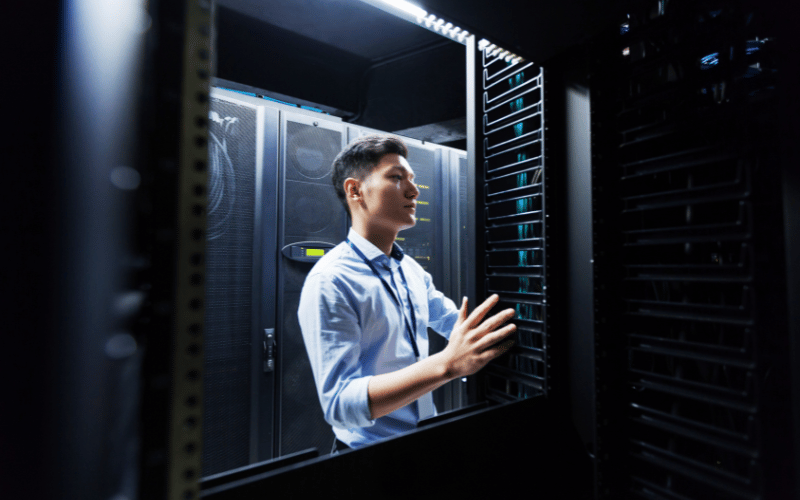
Validated designs are pre-tested and certified configurations that ensure optimal performance, efficiency, and reliability in data center operations. These designs are developed based on industry standards and best practices, providing a blueprint for building and managing data centers effectively.
One example of validated designs is the use of reference architectures, which outline the ideal combination of hardware, software, and networking components for specific workloads. These architectures simplify the deployment process and ensure compatibility between different systems, reducing the risk of errors and downtime.
Another aspect of validated designs is the focus on energy efficiency. Certified designs often include energy-efficient components, such as low-power processors and solid-state drives (SSDs), as well as advanced cooling systems. These features help data centers achieve lower power usage effectiveness (PUE) ratios, reducing operational costs and environmental impact.
Validated designs also emphasize scalability and flexibility, enabling data centers to adapt to changing business needs. By following these pre-tested configurations, operators can ensure that their facilities are future-proof and capable of supporting emerging technologies like artificial intelligence and edge computing.
Data Center Infrastructure Management (DCIM)
Data Center Infrastructure Management (DCIM) is a comprehensive approach to monitoring and managing the physical and IT infrastructure of a data center. DCIM tools provide real-time visibility into key aspects of data center operations, such as power usage, cooling efficiency, and server performance, enabling operators to optimize resources and improve efficiency.
One of the primary benefits of DCIM is its ability to enhance energy management. By tracking power consumption at the rack, server, and facility levels, DCIM tools help identify inefficiencies and recommend adjustments to reduce energy usage. This not only lowers operational costs but also supports sustainability goals.
DCIM also plays a crucial role in capacity planning. By providing insights into resource utilization, such as available rack space and network bandwidth, these tools enable operators to plan for future growth and avoid over-provisioning. This ensures that data centers can scale efficiently without wasting resources.
Another key feature of DCIM is its ability to improve reliability. By monitoring critical systems, such as power and cooling, DCIM tools can detect potential issues before they lead to downtime. Automated alerts and predictive analytics further enhance reliability by enabling proactive maintenance and rapid response to emerging problems.
Finally, DCIM supports compliance and reporting by providing detailed records of data center operations. This is particularly important for organizations that must adhere to industry regulations or meet specific service-level agreements (SLAs).
By integrating DCIM into their operations, data center operators can achieve greater efficiency, reliability, and scalability, ensuring that their facilities remain competitive in an increasingly digital world.
Enhancing Data Center Efficiency
Importance of Data Center Cooling Systems
Cooling systems are a critical component of data center operations, as they ensure that servers and other equipment remain within safe temperature ranges. Without effective cooling, the heat generated by thousands of servers can lead to equipment failure, reduced performance, and costly downtime. As data centers grow in size and density, the need for efficient cooling solutions becomes even more essential.
Modern cooling systems are designed to balance performance with energy efficiency. Traditional air-based cooling methods, such as hot and cold aisle containment, are still widely used but have been enhanced with advanced airflow management techniques. These systems separate hot and cold airflows to prevent mixing, ensuring that servers receive consistent cooling while reducing energy waste.
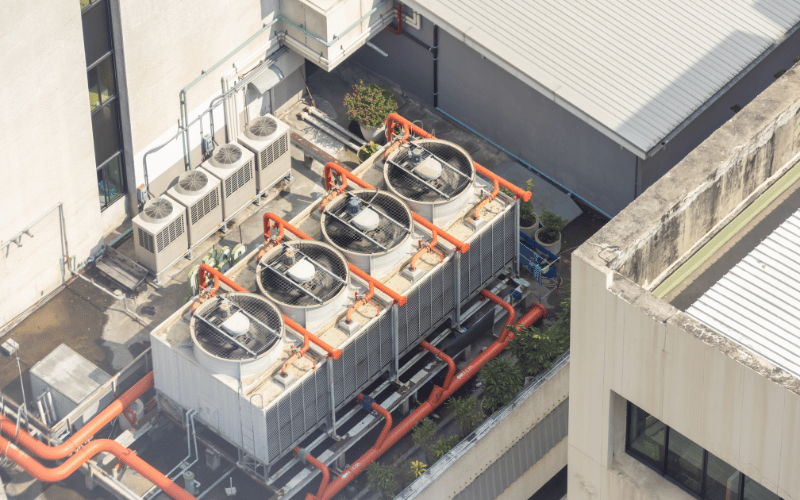
Liquid cooling is another innovative solution gaining traction in high-density data centers. By using water or specialized coolants to absorb and transfer heat, liquid cooling systems can handle higher thermal loads more efficiently than air-based methods. This approach is particularly beneficial for facilities running resource-intensive applications, such as artificial intelligence and machine learning.
Free cooling, which leverages natural environmental conditions like outside air or water from nearby sources, is also becoming popular. This method reduces reliance on mechanical cooling systems, significantly lowering energy consumption and operational costs. By adopting these advanced cooling technologies, data centers can enhance efficiency while minimizing their environmental impact.
Automation in Data Centers
Automation is transforming the way data centers operate, enabling greater efficiency, reliability, and scalability. By leveraging technologies like artificial intelligence (AI) and machine learning, data center operators can automate routine tasks, optimize resource allocation, and improve overall performance.
One of the key benefits of automation is its ability to enhance energy management. AI-driven tools can monitor power usage in real time, identify inefficiencies, and recommend adjustments to reduce energy consumption. For example, automated systems can dynamically adjust cooling settings based on server workloads, ensuring that energy is used only where it is needed.
Automation also improves reliability by enabling predictive maintenance. By analyzing data from sensors and monitoring systems, AI can detect early signs of equipment failure and alert operators before issues escalate. This proactive approach reduces downtime and extends the lifespan of critical infrastructure.
In addition to energy and maintenance benefits, automation streamlines capacity planning and resource management. Automated tools can analyze trends in resource utilization, such as server performance and storage capacity, to help operators plan for future growth. This ensures that data centers can scale efficiently without over-provisioning or underutilizing resources.
By integrating automation into their operations, data centers can achieve higher levels of efficiency and reliability, allowing them to meet the demands of an increasingly digital world.
Scale-Out Strategies for Efficiency
Scale-out strategies are essential for enhancing data center efficiency, particularly as facilities grow to accommodate increasing workloads. Unlike scale-up approaches, which involve upgrading existing hardware, scale-out strategies focus on adding more servers or nodes to the system. This modular approach allows data centers to expand incrementally, reducing upfront costs and improving flexibility.
One of the primary advantages of scale-out strategies is their ability to handle fluctuating workloads. By adding or removing nodes as needed, data centers can scale resources dynamically to match demand. This is particularly beneficial for businesses with seasonal or unpredictable workloads, such as e-commerce platforms or streaming services.
Scale-out architectures also improve fault tolerance and reliability. In a distributed system, workloads are spread across multiple nodes, ensuring that the failure of a single component does not disrupt operations. This redundancy enhances the overall resilience of the data center, minimizing downtime and maintaining service continuity.
To maximize the efficiency of scale-out strategies, data centers often adopt software-defined infrastructure (SDI). SDI decouples hardware from software, allowing operators to manage resources more flexibly and efficiently. For example, software-defined networking (SDN) enables dynamic traffic routing, while software-defined storage (SDS) optimizes data placement across nodes.
By implementing scale-out strategies, data centers can achieve greater efficiency, scalability, and reliability, ensuring that they remain competitive in a rapidly evolving technological landscape. This approach not only supports current workloads but also provides a foundation for future growth and innovation.
Advanced Technologies in Data Center Architecture
Hyperconverged Infrastructure
Hyperconverged infrastructure (HCI) is revolutionizing data center architecture by integrating compute, storage, and networking into a single, software-defined system. This approach eliminates the need for traditional, siloed hardware components, simplifying management and improving operational efficiency.
One of the key benefits of HCI is its scalability. Unlike traditional architectures, which require significant planning and investment to expand, HCI allows data centers to scale incrementally by adding nodes to the system. This modular approach ensures that resources can grow in line with demand, reducing upfront costs and avoiding over-provisioning.
HCI also enhances performance by consolidating resources and optimizing data flow. With storage and compute resources located closer to each other, latency is minimized, resulting in faster data processing and improved application performance. Additionally, HCI systems often include built-in redundancy and failover capabilities, ensuring high availability and reliability.
Another advantage of HCI is its simplified management. By using a single software platform to control all aspects of the infrastructure, operators can streamline tasks such as provisioning, monitoring, and troubleshooting. This not only reduces the complexity of data center operations but also lowers the need for specialized IT expertise.
As businesses increasingly adopt hyperconverged infrastructure, data centers are becoming more agile, efficient, and capable of supporting modern workloads, such as virtualized environments and containerized applications.
Cloud Computing and Its Impact
Cloud computing has had a profound impact on data center architecture, transforming the way resources are deployed, managed, and consumed. By enabling on-demand access to computing power, storage, and applications, cloud computing has introduced unprecedented flexibility and scalability to data center operations.
One of the most significant changes brought about by cloud computing is the shift toward hybrid and multi-cloud environments. Many organizations now use a combination of on-premises infrastructure, private clouds, and public cloud services to optimize performance and cost. This has led to the development of data centers that are designed to seamlessly integrate with cloud platforms, enabling businesses to move workloads between environments as needed.

Cloud computing has also driven the adoption of software-defined technologies, such as software-defined networking (SDN) and software-defined storage (SDS). These tools allow data centers to dynamically allocate resources based on demand, improving efficiency and reducing waste. For example, SDN enables operators to manage network traffic more effectively, while SDS optimizes data placement to enhance performance.
Another impact of cloud computing is the increased focus on automation and orchestration. Cloud-native tools and platforms, such as Kubernetes, enable data centers to automate the deployment and scaling of applications, reducing manual intervention and improving agility.
By embracing cloud computing, data centers can support a wide range of use cases, from hosting enterprise applications to powering big data analytics and artificial intelligence. This flexibility ensures that data centers remain relevant in an increasingly digital world.
Big Data Considerations in Design
The rise of big data has introduced new challenges and opportunities for data center design. As organizations generate and analyze massive volumes of data, data centers must be equipped to handle the unique demands of big data workloads.
One of the primary considerations is storage. Big data applications require vast amounts of storage capacity to accommodate structured and unstructured data from various sources. To meet this demand, data centers are adopting high-density storage solutions, such as solid-state drives (SSDs) and object storage systems, which offer scalability and fast access times.
Another critical factor is processing power. Big data analytics often involves running complex algorithms on large datasets, which requires significant computational resources. Data centers are addressing this need by deploying high-performance computing (HPC) systems and leveraging technologies like graphics processing units (GPUs) and field-programmable gate arrays (FPGAs) to accelerate data processing.
Networking is also a key consideration, as big data applications rely on the rapid transfer of large datasets between servers and storage systems. To support this, data centers are implementing high-speed networking technologies, such as 100GbE and beyond, as well as advanced traffic management tools to minimize latency and congestion.
Finally, data centers must consider the energy and cooling requirements of big data workloads. The intensive nature of these applications can lead to increased power consumption and heat generation, making it essential to adopt energy-efficient designs and advanced cooling solutions.
By addressing these considerations, data centers can effectively support big data initiatives, enabling organizations to gain valuable insights and drive innovation in a data-driven world.
Colocation and Its Role
What is Colocation?
Colocation refers to the practice of renting space within a third-party data center to house an organization’s servers, storage, and networking equipment. Instead of building and maintaining their own facilities, businesses can leverage colocation providers to access a secure, reliable, and scalable environment for their IT infrastructure.
In a colocation setup, the data center operator provides essential services such as power, cooling, physical security, and network connectivity, while the client retains control over their hardware and software. This arrangement enables businesses to concentrate on managing their IT systems without the added burden of maintaining physical infrastructure.
Colocation is particularly beneficial for organizations that require high levels of uptime, robust security, and access to advanced facilities but lack the resources or expertise to build their own data centers. It also serves as a bridge for businesses transitioning to hybrid or cloud environments, offering flexibility and cost savings.

Benefits of Colocation for Businesses
Colocation offers a range of advantages that make it an attractive option for businesses of all sizes. Below are some of the key benefits:
-
Cost Efficiency: Building and maintaining a private data center can be prohibitively expensive. Colocation eliminates the need for significant capital investment by providing access to shared facilities, allowing businesses to pay only for the space and services they use.
-
Scalability: Colocation facilities are designed to accommodate growth. Businesses can easily scale their operations by renting additional space or upgrading their equipment without worrying about infrastructure limitations.
-
Reliability: Colocation providers offer high levels of uptime, often backed by service-level agreements (SLAs). With redundant power supplies, advanced cooling systems, and robust network connectivity, these facilities ensure uninterrupted operations.
-
Enhanced Security: Colocation data centers are equipped with multiple layers of physical and digital security, including biometric access controls, surveillance cameras, and firewalls. This protects sensitive data and equipment from unauthorized access and cyber threats.
-
Access to Advanced Technology: Colocation facilities often feature state-of-the-art infrastructure, such as high-speed networking and energy-efficient cooling systems. Businesses can leverage these technologies without the need for significant upfront investment.
-
Geographic Flexibility: By colocating in multiple data centers across different regions, businesses can improve redundancy, reduce latency, and ensure compliance with local regulations.
-
Focus on Core Activities: By outsourcing the management of physical infrastructure to a colocation provider, businesses can focus on their core competencies, such as application development and customer service, rather than IT maintenance.
Best Practices for Colocation Management
To maximize the benefits of colocation, businesses should follow best practices for managing their colocated infrastructure:
-
Choose the Right Provider: Selecting a colocation provider is a critical decision. Evaluate potential providers based on factors such as location, uptime guarantees, security measures, scalability options, and customer support. Ensure that the provider aligns with your business needs and long-term goals.
-
Plan for Scalability: When designing your colocation strategy, consider future growth. Choose a provider that offers flexible options for expanding your space, power, and connectivity requirements as your business evolves.
-
Implement Robust Monitoring: While the colocation provider manages the physical infrastructure, businesses are responsible for monitoring their own equipment. Use monitoring tools to track server performance, network traffic, and resource utilization to ensure optimal operations.
-
Prioritize Security: Work with your provider to implement strong security measures, both physical and digital. This includes encrypting sensitive data, using firewalls, and regularly updating software to protect against cyber threats.
-
Establish Clear Communication: Maintain open lines of communication with your colocation provider. Regularly review SLAs, discuss performance metrics, and address any concerns promptly to ensure a smooth partnership.
-
Test Disaster Recovery Plans: Colocation facilities often play a key role in disaster recovery strategies. Regularly test your recovery plans to ensure that your systems can be restored quickly in the event of an outage or other disruption.
-
Optimize Resource Usage: Work with your provider to optimize power and cooling usage. This not only reduces costs but also supports sustainability goals by minimizing energy consumption.
By following these best practices, businesses can fully leverage the advantages of colocation, ensuring reliable, secure, and cost-effective IT operations while focusing on their strategic objectives.
Frequently Asked Questions
Q: What are the key principles of data center design?
A: The key principles of data center design include scalability, energy efficiency, and optimized power and cooling systems. A well-designed facility should support future growth, use modular components for flexibility, and ensure seamless interconnectivity between systems to meet evolving computing needs.
Q: How do power and cooling systems impact data center efficiency?
A: Power and cooling systems are vital to data center efficiency as they directly influence uptime and reliability. Advanced cooling methods, such as liquid cooling and free cooling, can significantly lower energy consumption, while efficient power distribution ensures optimal use of electrical resources, reducing waste and costs.
Q: What role does scalability play in data center design?
A: Scalability is crucial in data center design, enabling organizations to expand their infrastructure as workloads grow. A scalable design minimizes downtime during expansion, allowing businesses to adapt to changing demands while maintaining high performance and operational reliability.
Q: What are the benefits of using modular data center designs?
A: Modular data center designs provide flexibility and cost efficiency by allowing organizations to add resources incrementally. This approach reduces upfront capital expenses, accelerates deployment, and simplifies maintenance, all while adhering to industry standards for reliability and performance.
Q: How can data center designers ensure physical security?
A: Physical security in data centers can be ensured through controlled access systems, 24/7 surveillance, and fire protection measures. Additionally, designing secure layouts that isolate critical infrastructure from potential threats enhances the overall safety and resilience of the facility.
Q: What is the significance of the Uptime Institute’s tier standards?
A: The Uptime Institute’s tier standards provide a benchmark for assessing the reliability and performance of data centers. These standards outline requirements for redundancy, fault tolerance, and operational efficiency, helping organizations design facilities that meet specific reliability goals and industry best practices.
Q: How do data center technologies support cloud computing?
A: Data center technologies, such as hyperconverged infrastructure and automation tools, enable efficient resource management and scalability, which are essential for cloud computing. These technologies enhance private cloud performance, streamline data transfer, and support big data analytics, empowering businesses to leverage cloud solutions effectively.
Q: What are the environmental considerations in data center cooling systems?
A: Environmental considerations in cooling systems include energy efficiency, water usage, and minimizing the carbon footprint. Techniques like hot and cold aisle containment, liquid cooling, and adherence to ASHRAE guidelines help reduce energy consumption and environmental impact while maintaining optimal operating conditions.
Q: How can DCIM software help improve data center operations?
A: DCIM (Data Center Infrastructure Management) software enhances operations by providing real-time monitoring, analytics, and automation. It helps optimize resource utilization, improve energy efficiency, and streamline processes, ensuring that data centers can adapt to evolving business requirements with minimal disruption.
Conclusion
Validated data center designs are the cornerstone of efficient, scalable, and reliable IT infrastructure. By adhering to proven architectural principles, businesses can ensure optimal performance, energy efficiency, and adaptability to future demands. Whether you’re building a new data center or upgrading an existing one, investing in validated designs is a smart step toward long-term success in today’s data-driven world.
