


The backbone of global connectivity and cloud computing today relies on hyperscale data centers. As these are emerging with the digital transformation, they serve as the backbone of modern information technology. In today’s insight, we shall go through how hyperscale data centers differ from traditional data centers, their most prominent characteristics, and also review the definition of hyperscale data centers. We will also look into the importance of these centers in the global technology era.
Understanding Hyperscale Data Centers
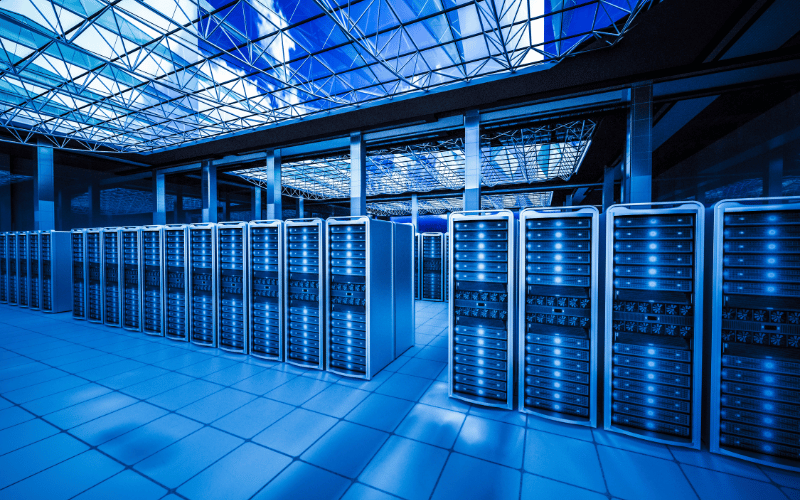
A hyperscale data center is classified as a modern data facility that needs extreme amounts of data processing and storage capabilities and also requires extensive networking. Such centers are used for cloud computing and social media as it caters to their IT infrastructure, processes and works on massive IT demands. Hyperscale facilities surpass traditional data centers in terms of performance and efficiency as they optimally handle workloads and an immense amount of data.
The “hyperscale” term describes focus on servers, storage, and networking equipment at these types of centers. It is simpler due to modular designs that permit effortless and streamlined scaling Through the division of the structure these forms of data centers allow increasing their capacity in sections. Firms such as Amazon, Microsoft, Google and other technology companies tend to operate hyperscale data centers as they need them for their high computing capacity.
Key Characteristics of Hyperscale Facilities
Hyperscale data centers are defined by several key characteristics that set them apart from other types of facilities:
-
Massive Scale: These facilities are designed to house thousands of servers and support petabytes of data storage. Their size and capacity enable them to handle the demands of large-scale applications, such as cloud computing and big data analytics.
-
Energy Efficiency: Hyperscale facilities prioritize energy efficiency to reduce operational costs and environmental impact. They often use advanced cooling technologies, such as liquid cooling or free cooling, and renewable energy sources to power their operations.
-
Automation and Management: Automation plays a critical role in hyperscale data centers, enabling efficient management of resources and reducing the need for manual intervention. Tools like AI and machine learning are used to monitor performance, predict failures, and optimize energy usage.
-
High Redundancy: To ensure reliability, hyperscale facilities are built with multiple layers of redundancy, including backup power systems, redundant network connections, and failover mechanisms. This minimizes downtime and ensures uninterrupted service.
-
Modular Design: Hyperscale data centers use modular components, such as prefabricated server racks and power units, to enable rapid deployment and scaling. This design approach allows operators to add capacity incrementally, reducing upfront costs and improving flexibility.
-
Global Connectivity: These facilities are strategically located to provide low-latency connections to users worldwide. They are often part of a larger network of data centers, enabling seamless data transfer and redundancy across regions.
Comparison with Enterprise Data Centers
While both hyperscale and enterprise data centers serve as critical infrastructure for IT operations, they differ significantly in scale, purpose, and design.
1. Scale and Capacity: Hyperscale data centers are significantly larger than enterprise facilities, often spanning hundreds of thousands of square feet and housing tens of thousands of servers. Enterprise data centers, on the other hand, are typically smaller and designed to meet the specific needs of a single organization.
2. Purpose: Hyperscale facilities are built to support large-scale applications, such as cloud services, content delivery, and big data processing. Enterprise data centers, in contrast, are focused on meeting the internal IT needs of a business, such as hosting applications, storing data, and supporting employee workflows.
3. Scalability: Hyperscale data centers are designed for seamless scalability, allowing operators to add capacity as demand grows. Enterprise data centers may face limitations in scaling due to physical space, power, or cooling constraints.
4. Energy Efficiency: Hyperscale facilities often lead the way in energy efficiency, leveraging advanced technologies and renewable energy sources. While enterprise data centers may also prioritize efficiency, they typically operate on a smaller scale and may not have access to the same level of resources or innovation.
5. Automation: Automation is a cornerstone of hyperscale data centers, enabling efficient management of vast resources. Enterprise data centers may rely more on manual processes, though many are adopting automation to improve efficiency.
By understanding these differences, businesses can better evaluate their IT needs and determine whether hyperscale or enterprise data centers are the right fit for their operations. Hyperscale facilities are ideal for organizations with massive, global IT demands, while enterprise data centers cater to more localized and specific business requirements.
Colocation in Hyperscale Data Centers
What is Colocation?
Colocation is a service that allows businesses to rent space within a data center to house their servers and IT equipment. Instead of building and maintaining their own facilities, companies can leverage the infrastructure of a colocation provider, which includes power, cooling, and physical security. This arrangement enables businesses to focus on managing their IT systems while the colocation provider handles the operational aspects of the facility.
In the context of hyperscale data centers, colocation assumes a more significant role. These massive facilities are designed to support the needs of multiple tenants, including enterprises, cloud providers, and content delivery networks. By colocating in a hyperscale environment, businesses gain access to cutting-edge infrastructure and global connectivity, which are essential for supporting modern IT workloads.

Benefits of Colocation in Hyperscale Environments
Colocation in hyperscale data centers offers several advantages that make it an attractive option for businesses of all sizes:
-
Access to Advanced Infrastructure: Hyperscale facilities are equipped with state-of-the-art technology, including high-speed networking, advanced cooling systems, and redundant power supplies. By colocating in these environments, businesses can benefit from infrastructure that would be costly to build and maintain independently.
-
Cost Efficiency: Sharing resources in a hyperscale data center reduces the financial burden of owning and operating a private facility. Businesses only pay for the space and services they need, making colocation a cost-effective solution for managing IT infrastructure.
-
Global Connectivity: Hyperscale data centers are strategically located to provide low-latency connections to users worldwide. Colocation tenants can leverage this global network to improve the performance of their applications and services, particularly for geographically dispersed audiences.
-
Enhanced Security: These facilities implement robust security measures, including biometric access controls, 24/7 surveillance, and fire suppression systems. This ensures that colocated equipment and data are protected from physical and environmental threats.
-
Reliability and Redundancy: Hyperscale data centers are designed with multiple layers of redundancy to ensure uninterrupted operations. Backup power systems, redundant network connections, and failover mechanisms minimize the risk of downtime, providing businesses with reliable IT infrastructure.
-
Sustainability: Many hyperscale facilities prioritize energy efficiency and sustainability, using renewable energy sources and innovative cooling technologies. By colocating in these centers, businesses can reduce their carbon footprint and align with environmental goals.
How Colocation Supports Scalability
Scalability is one of the most significant benefits of colocation in hyperscale data centers. These facilities are designed to accommodate growing IT demands, making it easy for businesses to scale their infrastructure as needed.
-
Modular Design: Hyperscale data centers use modular components, such as prefabricated server racks and power units, to enable rapid deployment of additional capacity. This allows colocation tenants to scale up their operations without significant delays or disruptions.
-
Flexible Space Options: Colocation providers offer a range of space options, from individual racks to private cages or suites. Businesses can start small and expand their footprint as their needs evolve, ensuring they only pay for the resources they use.
-
Hybrid IT Integration: Many hyperscale facilities support hybrid IT strategies, allowing businesses to combine colocation with cloud services. This enables seamless scalability, as companies can leverage the cloud for dynamic workloads while maintaining control over critical systems in a colocated environment.
-
Support for Emerging Technologies: Hyperscale data centers are equipped to handle the demands of emerging technologies, such as artificial intelligence, machine learning, and edge computing. By colocating in these facilities, businesses can scale their infrastructure to support advanced applications and workloads.
Colocation in hyperscale data centers provides businesses with the flexibility and resources needed to adapt to changing IT demands. Whether scaling to meet seasonal spikes or supporting long-term growth, these facilities offer a reliable and cost-effective solution for modern IT infrastructure.
Data Center Design Considerations
Architectural Features of Hyperscale Data Centers
The architectural design of hyperscale data centers is centered around scalability, efficiency, and reliability. These facilities are built to accommodate thousands of servers and support massive data processing and storage needs. A key feature of hyperscale architecture is its modular design, which allows for incremental expansion. Prefabricated modules, such as server racks, power units, and cooling systems, can be added as demand grows, ensuring that the facility can scale seamlessly without significant downtime or disruption.
Another critical aspect of hyperscale architecture is its focus on maximizing space utilization. These data centers are designed with high-density server configurations, enabling operators to house more equipment within a smaller footprint. This not only reduces construction costs but also improves operational efficiency. Additionally, hyperscale facilities often incorporate advanced networking infrastructure, such as high-speed fiber connections and software-defined networking (SDN), to support the rapid transfer of data across the facility and beyond.
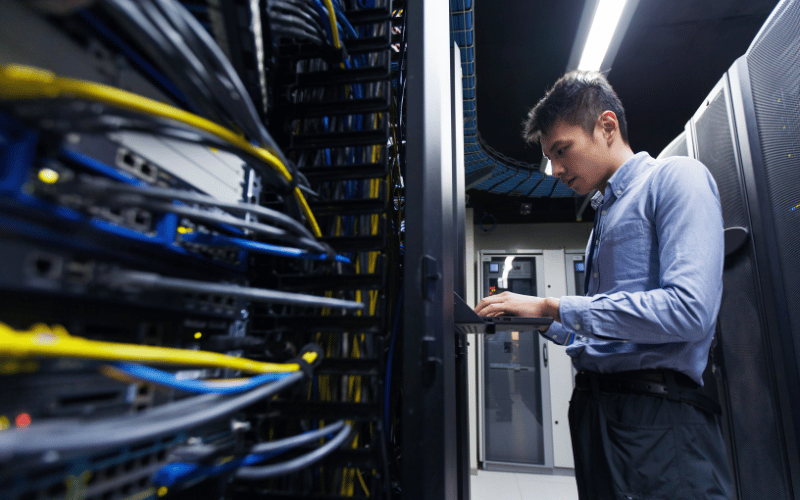
The physical layout of hyperscale data centers also prioritizes accessibility and maintenance. Aisles are designed to provide easy access to servers and equipment, while cable management systems ensure that networking and power cables are organized and secure. These design considerations help minimize downtime and streamline operations, making hyperscale facilities highly efficient and reliable.
Energy Efficiency in Design
Energy efficiency is a top priority in the design of hyperscale data centers, as these facilities consume significant amounts of power to operate. To reduce energy consumption and environmental impact, hyperscale operators implement a range of innovative design strategies and technologies.
One of the most effective approaches is optimizing power usage effectiveness (PUE), a metric that measures the energy efficiency of a data center. Hyperscale facilities achieve low PUE ratios by using energy-efficient hardware, such as servers with low-power processors and solid-state drives (SSDs). Additionally, advanced power distribution systems, such as direct current (DC) power, minimize energy loss during transmission, further improving efficiency.
Renewable energy sources play a significant role in powering hyperscale data centers. Many operators partner with solar, wind, or hydroelectric energy providers to reduce their reliance on fossil fuels. Some facilities even generate their own renewable energy on-site, using solar panels or wind turbines to power their operations.
Energy-efficient lighting and building materials also contribute to sustainability. LED lighting systems and reflective roofing materials reduce energy consumption and heat absorption, helping to maintain optimal operating conditions within the facility. By prioritizing energy efficiency in their design, hyperscale data centers not only lower operational costs but also support global sustainability goals.
Cooling Solutions for Large-Scale Operations
Cooling is one of the most critical aspects of data center design, as servers generate significant heat during operation. Hyperscale data centers employ advanced cooling solutions to maintain optimal temperatures and prevent equipment failure.
One of the most common cooling methods is air-based cooling, which uses chilled air to dissipate heat from servers. Hyperscale facilities often implement hot and cold aisle containment systems, which separate hot air from cold air to improve cooling efficiency. This design minimizes the mixing of airflows, ensuring that servers receive consistent cooling while reducing energy consumption.
Liquid cooling is another innovative solution gaining traction in hyperscale data centers. This method uses liquid, such as water or specialized coolants, to absorb and transfer heat away from servers. Liquid cooling is highly efficient and allows for higher server density, making it an ideal choice for facilities with limited space.
Free cooling, which leverages natural environmental conditions, is also widely used in hyperscale facilities. By utilizing outside air or water from nearby sources, such as rivers or lakes, free cooling systems reduce the need for mechanical cooling, significantly lowering energy costs.
In addition to these methods, hyperscale data centers are exploring emerging technologies, such as immersion cooling, where servers are submerged in a non-conductive liquid to dissipate heat. This approach offers unparalleled cooling efficiency and is particularly suited for high-performance computing applications.
By incorporating advanced cooling solutions into their design, hyperscale data centers ensure reliable operation while minimizing energy consumption and environmental impact. These innovations are essential for supporting the growing demands of modern IT infrastructure.
Power Management in Hyperscale Data Centers
Importance of Power Efficiency
Power efficiency is a critical consideration in hyperscale data centers due to the immense energy demands of these facilities. With thousands of servers operating simultaneously, power consumption can account for a significant portion of operational costs. To address this, hyperscale operators prioritize energy-efficient designs and technologies to minimize waste and optimize power usage.
One key metric used to measure power efficiency is Power Usage Effectiveness (PUE), which compares the total energy consumed by the data center to the energy used by IT equipment. A lower PUE indicates higher efficiency, as more energy is directed toward computing rather than overhead functions like cooling or lighting. Hyperscale facilities often achieve industry-leading PUE ratios by implementing advanced power distribution systems, energy-efficient hardware, and innovative cooling solutions.
Efficient power management not only reduces costs but also supports sustainability goals. By lowering energy consumption, hyperscale data centers can decrease their carbon footprint and contribute to global efforts to combat climate change. This focus on efficiency is essential for meeting the growing demand for digital services while minimizing environmental impact.
Redundancy and Reliability in Power Supply
Reliability is a cornerstone of power management in hyperscale data centers, as even a brief power outage can result in significant disruptions and financial losses. To ensure uninterrupted operations, hyperscale facilities are designed with multiple layers of redundancy in their power supply systems.
Uninterruptible Power Supplies (UPS) are a standard feature in hyperscale data centers, providing backup power in the event of a primary power failure. These systems use batteries or flywheels to deliver a continuous power supply until backup generators can take over. Generators, often powered by diesel or natural gas, are capable of sustaining operations for extended periods, ensuring that the facility remains operational during prolonged outages.
Redundant power distribution paths are another critical feature, allowing data centers to reroute electricity in case of a failure in one part of the system. This ensures that servers and other critical equipment continue to receive power without interruption. Additionally, hyperscale facilities often have agreements with multiple utility providers to ensure a stable and reliable power supply.
By incorporating these redundancy measures, hyperscale data centers can maintain high levels of uptime, meeting the expectations of their clients and end-users. This reliability is particularly important for businesses that rely on hyperscale facilities to support mission-critical applications and services.
Innovative Power Solutions Used by Hyperscalers
Hyperscale data centers are at the forefront of adopting innovative power solutions to enhance efficiency and sustainability. One such solution is the use of renewable energy sources, such as solar, wind, and hydroelectric power. Many hyperscale operators have committed to sourcing 100% renewable energy for their facilities, reducing their reliance on fossil fuels and lowering greenhouse gas emissions.
Direct Current (DC) power distribution is another innovation gaining traction in hyperscale facilities. Unlike traditional Alternating Current (AC) systems, DC power reduces energy loss during transmission, improving overall efficiency. This approach is particularly beneficial for high-density data centers, where even small efficiency gains can result in significant cost savings.
Energy storage systems, such as lithium-ion batteries, are also being integrated into hyperscale data centers. These systems provide a reliable backup power source and can store excess energy generated by renewable sources for later use. This not only enhances reliability but also supports the transition to a more sustainable energy model.
Hyperscale facilities are also exploring emerging technologies, such as fuel cells, which generate electricity through chemical reactions rather than combustion. Fuel cells offer a clean and efficient power source, with the potential to replace traditional generators in the future.
By adopting these innovative power solutions, hyperscale data centers are setting new standards for efficiency, reliability, and sustainability. These advancements are essential for meeting the growing demands of the digital economy while minimizing environmental impact and operational costs.
Market Trends and Hyperscale Companies
Current Hyperscale Data Center Market Overview
The hyperscale data center market has experienced rapid growth in recent years, driven by the increasing demand for cloud services, big data analytics, and digital transformation initiatives. These facilities, designed to handle massive workloads and support global operations, are becoming the backbone of the digital economy. The market is dominated by major cloud providers, social media platforms, and e-commerce giants, all of which require extensive computing power and storage capacity to meet user demands.
One of the key trends shaping the market is the shift toward hybrid and multi-cloud strategies. Businesses are increasingly adopting these approaches to optimize performance, reduce costs, and enhance flexibility. Hyperscale data centers play a crucial role in enabling these strategies by providing the necessary infrastructure to support seamless integration between on-premises systems and cloud platforms.
Another significant trend is the focus on sustainability. Hyperscale operators are investing heavily in renewable energy and energy-efficient technologies to reduce their environmental impact. This aligns with growing consumer and regulatory pressure for businesses to adopt greener practices. Additionally, the rise of edge computing is influencing the market, with hyperscale providers expanding their networks to include smaller, decentralized facilities closer to end-users.

Leading Hyperscale Companies and Their Strategies
The hyperscale market is dominated by a handful of tech giants, each employing unique strategies to maintain their competitive edge.
-
Amazon Web Services (AWS): As the largest cloud provider, AWS continues to expand its global footprint with new data centers and regions. The company focuses on innovation, offering a wide range of services, including machine learning, IoT, and serverless computing. AWS is also committed to sustainability, aiming to power its operations with 100% renewable energy by 2025.
-
Microsoft Azure: Microsoft’s hyperscale strategy revolves around hybrid cloud solutions, with its Azure Arc platform enabling seamless integration between on-premises and cloud environments. The company is also investing in AI and edge computing, positioning itself as a leader in emerging technologies. Microsoft has pledged to become carbon negative by 2030, further emphasizing its commitment to sustainability.
-
Google Cloud: Google leverages its expertise in AI and machine learning to differentiate its cloud offerings. The company’s hyperscale facilities are among the most energy-efficient in the world, thanks to innovations like AI-driven cooling systems. Google is also expanding its global network, with a focus on underserved regions to improve accessibility and performance.
-
Meta (formerly Facebook): Meta’s hyperscale data centers are designed to support its social media platforms and virtual reality initiatives. The company prioritizes energy efficiency and sustainability, using renewable energy and advanced cooling technologies. Meta is also exploring new materials and designs to further reduce its environmental impact.
-
Alibaba Cloud: As the leading cloud provider in Asia, Alibaba Cloud focuses on serving businesses in the region while expanding its presence globally. The company invests in cutting-edge technologies, such as quantum computing and blockchain, to enhance its offerings. Alibaba is also committed to achieving carbon neutrality in its data center operations by 2030.
Future Projections for the Hyperscale Market
The hyperscale data center market is expected to continue its rapid growth, driven by advancements in technology and increasing demand for digital services. According to industry forecasts, the market is projected to reach a valuation of over $100 billion by 2030, with a compound annual growth rate (CAGR) of more than 20%.
One of the key drivers of this growth is the expansion of 5G networks, which will enable faster data transfer and support emerging applications like IoT, autonomous vehicles, and augmented reality. Hyperscale data centers will play a crucial role in processing and storing the vast amounts of data generated by these technologies.
Sustainability will remain a top priority, with hyperscale operators investing in renewable energy, energy-efficient designs, and carbon offset programs. Innovations like liquid cooling, AI-driven energy management, and modular construction will further enhance efficiency and reduce environmental impact.
The rise of edge computing is another factor shaping the future of the hyperscale market. As demand for low-latency services grows, hyperscale providers will expand their networks to include edge facilities, enabling faster data processing closer to end-users. This trend will create new opportunities for collaboration between hyperscale operators and telecom companies.
Overall, the hyperscale market is poised for significant growth, driven by technological advancements, sustainability initiatives, and the increasing reliance on digital infrastructure. These trends will shape the future of the industry, ensuring that hyperscale data centers remain at the forefront of the digital revolution.
Benefits of Hyperscale Data Centers
Cost Savings and Operational Efficiency
Hyperscale data centers are designed to deliver significant cost savings and operational efficiencies for businesses. By leveraging economies of scale, these facilities can reduce the per-unit cost of computing, storage, and networking resources. This is achieved through bulk purchasing of hardware, optimized energy usage, and streamlined operations. Businesses colocating in hyperscale facilities benefit from these efficiencies without having to invest in building and maintaining their own infrastructure.
The use of advanced technologies, such as automation and artificial intelligence further enhances operational efficiency. Hyperscale facilities employ AI-driven tools to monitor and manage energy consumption, predict equipment failures, and optimize cooling systems. These innovations reduce downtime, improve reliability, and lower operational costs. Additionally, hyperscale providers handle maintenance, security, and upgrades, allowing businesses to focus on their core activities rather than IT management.
For companies with fluctuating workloads, hyperscale data centers offer a cost-effective solution by enabling pay-as-you-go pricing models. This flexibility ensures that businesses only pay for the resources they use, making hyperscale facilities an attractive option for organizations of all sizes.
Scalability and Flexibility for Businesses
One of the most significant advantages of hyperscale data centers is their ability to scale resources seamlessly. These facilities are designed to accommodate rapid growth, making them ideal for businesses experiencing increased demand for computing power and storage. Hyperscale providers use modular designs, allowing them to add capacity incrementally without disrupting operations.
This scalability is particularly beneficial for businesses with seasonal or unpredictable workloads. For example, e-commerce companies can scale up their resources during peak shopping seasons and scale down during quieter periods. Similarly, organizations running data-intensive applications, such as big data analytics or machine learning, can quickly access additional resources as needed.
Flexibility is another key benefit of hyperscale data centers. Many providers offer hybrid solutions that combine on-premises infrastructure with cloud services, enabling businesses to optimize their IT environments. This approach allows companies to maintain control over critical systems while leveraging the scalability and cost-efficiency of the cloud for less sensitive workloads.
By providing scalable and flexible solutions, hyperscale data centers empower businesses to adapt to changing market conditions and technological advancements, ensuring long-term success.
Impact on Cloud Services and Data Management
Hyperscale data centers play a pivotal role in the growth and evolution of cloud services and data management. These facilities provide the infrastructure needed to support the vast computing and storage requirements of cloud platforms, enabling businesses to access powerful tools and services without significant upfront investment.
Cloud providers rely on hyperscale data centers to deliver high-performance, low-latency services to users worldwide. The global network of hyperscale facilities ensures that data is processed and stored close to end-users, improving application performance and user experience. This is particularly important for industries such as gaming, streaming, and financial services, where speed and reliability are critical.
In terms of data management, hyperscale data centers offer advanced solutions for storing, processing, and analyzing large volumes of information. Businesses can leverage these capabilities to gain insights, improve decision-making, and drive innovation. For example, companies can use hyperscale infrastructure to run complex analytics on customer data, enabling personalized marketing and improved customer experiences.
Furthermore, hyperscale facilities support emerging technologies, such as artificial intelligence, machine learning, and the Internet of Things (IoT). By providing the computing power and storage needed for these applications, hyperscale data centers enable businesses to stay competitive in an increasingly digital world.
Overall, the benefits of hyperscale data centers extend beyond cost savings and scalability, driving advancements in cloud services and data management while supporting innovation and growth across industries.
Challenges Faced by Hyperscale Data Center Providers
Environmental Concerns and Sustainability
One of the most pressing challenges for hyperscale data center providers is balancing environmental concerns with operational efficiency. These facilities consume vast amounts of energy to power servers, cooling systems, and other infrastructure, contributing significantly to carbon emissions. As global awareness of climate change grows, hyperscale operators face increasing pressure from governments, consumers, and environmental organizations to adopt sustainable practices.
To mitigate their environmental impact, many providers are investing in renewable energy sources, such as solar, wind, and hydroelectric power. However, transitioning to green energy on a large scale presents logistical and financial challenges, particularly in regions where renewable energy infrastructure is underdeveloped. Additionally, hyperscale facilities must implement energy-efficient technologies, such as advanced cooling systems and AI-driven energy management, to reduce power consumption.
Water usage is another environmental concern, as many cooling systems rely on significant amounts of water to maintain optimal temperatures. Hyperscale providers are exploring alternative cooling methods, such as liquid cooling and free cooling, to minimize water usage. Balancing sustainability goals with the need for reliable and cost-effective operations remains a complex challenge for the industry.
Managing Security Risks in Large-Scale Facilities
Security is a critical concern for hyperscale data center providers, as these facilities store and process vast amounts of sensitive data for businesses and individuals worldwide. The scale and complexity of hyperscale operations make them attractive targets for cyberattacks, data breaches, and other security threats.
To address these risks, hyperscale providers implement robust cybersecurity measures, including firewalls, intrusion detection systems, and encryption protocols. However, the constantly evolving nature of cyber threats requires continuous investment in advanced security technologies and expertise. Providers must also comply with stringent data protection regulations, such as GDPR and CCPA, which vary across regions and add to the complexity of managing security.
Physical security is equally important, as unauthorized access to data center facilities can compromise sensitive information. Hyperscale providers employ multiple layers of physical security, including biometric access controls, surveillance cameras, and on-site security personnel. Despite these measures, ensuring the security of large-scale facilities with multiple entry points and thousands of servers remains a significant challenge.
Infrastructure and Maintenance Challenges
The sheer scale of hyperscale data centers presents unique infrastructure and maintenance challenges. These facilities require extensive power, cooling, and networking infrastructure to support their operations, and any disruption to these systems can result in significant downtime and financial losses.
Maintaining uptime in hyperscale facilities involves implementing redundant systems, such as backup power supplies and failover mechanisms. However, managing and maintaining these systems across a large-scale operation is a complex and resource-intensive task. Providers must also ensure that their infrastructure can scale seamlessly to meet growing demand, which requires careful planning and investment in modular designs.
Another challenge is managing the lifecycle of IT equipment, such as servers and storage devices. Hyperscale providers must regularly upgrade or replace hardware to maintain performance and efficiency, which involves significant logistical and financial considerations. Additionally, disposing of outdated equipment in an environmentally responsible manner adds to the complexity of maintenance operations.
Staffing is another critical issue, as hyperscale data centers require skilled personnel to manage and maintain their infrastructure. The demand for IT professionals with expertise in data center operations often exceeds supply, leading to challenges in recruiting and retaining talent. Providers must invest in training and development programs to address this skills gap and ensure the smooth operation of their facilities.
By addressing these challenges, hyperscale data center providers can continue to support the growing demand for digital services while maintaining efficiency, security, and sustainability. However, overcoming these obstacles requires ongoing innovation, investment, and collaboration across the industry.
Frequently Asked Questions
Q: What defines a hyperscale data center?
A: A hyperscale data center is defined by its massive size and ability to scale rapidly to meet growing demands. These facilities are designed for extensive data processing and storage, typically operated by cloud providers or hyperscale companies like Microsoft and Amazon. Often exceeding one million square feet, they feature advanced cooling systems and renewable energy solutions to manage their significant energy requirements efficiently.
Q: How do hyperscale data centers differ from traditional data centers?
A: Hyperscale data centers are much larger than traditional data centers, both in physical size and data-handling capacity. While traditional facilities often serve specific organizations or applications, hyperscale centers are built to support massive workloads, offering unmatched scalability and flexibility to meet the needs of multiple customers and large-scale operations.
Q: What are the benefits of hyperscale computing?
A: Hyperscale computing offers several benefits, including improved efficiency, cost savings, and enhanced performance for data processing and storage. These facilities use advanced infrastructure to scale quickly, handle fluctuating workloads, and support technologies like big data analytics and edge computing, making them ideal for modern IT demands.
Q: What role do hyperscale data centers play in cloud computing?
A: Hyperscale data centers serve as the backbone of cloud computing, providing the infrastructure needed for data storage, processing, and management. They enable cloud providers to deliver scalable solutions, allowing businesses to access cloud services without investing in extensive on-premises infrastructure, thereby optimizing costs and resources.
Q: How many hyperscale data centers are there globally?
A: Currently, there are approximately 600 hyperscale data centers worldwide, operated by leading providers. This number continues to grow as demand for data and cloud services rises, driving the construction of new facilities designed to support emerging technologies and increasing workloads.
Q: What are the cooling systems used in hyperscale data centers?
A: Cooling systems in hyperscale data centers are essential for managing the heat generated by thousands of servers. These facilities often use advanced technologies like liquid cooling, free cooling, and thermal management systems to maintain optimal temperatures, ensuring reliability and extending the lifespan of equipment.
Q: Who are the major players in the hyperscale data center market?
A: Leading players in the hyperscale data center market include Amazon, Microsoft, Google, and Meta (formerly Facebook). These companies continuously expand their infrastructure to meet growing data demands, investing in innovative technologies to enhance efficiency, scalability, and sustainability.
Q: What is the future of hyperscale data centers?
A: The future of hyperscale data centers is promising, with growth driven by the rise of big data, AI, and IoT. As businesses increasingly rely on these facilities, advancements in energy efficiency, hyperscale architecture, and global connectivity will shape the evolution of data center design and operations in the years ahead.
Conclusion
Hyperscale data centers are revolutionizing the way businesses and individuals interact with technology. With their unparalleled scalability, efficiency, and ability to handle vast amounts of data, they are the foundation of modern cloud services and global digital infrastructure. As the demand for data continues to grow, hyperscale facilities will play an even more critical role in shaping the future of technology. Understanding their importance is key to staying ahead in a data-driven world.
