


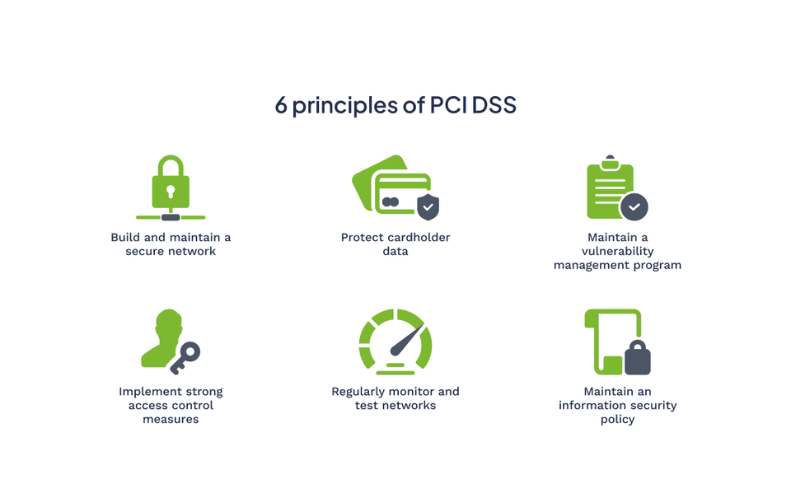
In today’s digital landscape, safeguarding sensitive payment data is more critical than ever. The blog “PCI Compliant Data Center Requirements and PCI DSS Data Security” delves into the essential standards and practices that ensure compliance with the Payment Card Industry Data Security Standard (PCI DSS). From understanding the role of the PCI Security Standards Council to implementing robust physical and network security measures, this comprehensive guide equips businesses with the knowledge to protect cardholder data effectively. Whether you’re managing a data center or collaborating with third-party providers, this article highlights actionable steps and best practices to maintain compliance and secure your operations.
Understanding PCI Compliance
What is PCI Compliance?
PCI compliance refers to adhering to the Payment Card Industry Data Security Standard (PCI DSS), a set of security requirements designed to protect cardholder data. These standards apply to any organization that processes, stores, or transmits credit card information. Compliance ensures that businesses implement robust security measures to safeguard sensitive payment data from breaches and fraud.
Importance of PCI Security Standards
PCI security standards are critical for maintaining trust and protecting customer data. By following these guidelines, businesses can reduce the risk of data breaches, which can lead to financial losses, legal penalties, and reputational damage. Compliance also ensures that organizations meet industry regulations, avoiding fines and maintaining their ability to process card payments. For small businesses and enterprises alike, PCI compliance is a vital component of a secure and reliable payment system.
Role of the PCI Security Standards Council
The PCI Security Standards Council (PCI SSC) is the governing body responsible for developing and maintaining PCI DSS. This global organization works to enhance payment security by providing resources, training, and certifications to businesses and security professionals. The council collaborates with payment brands, banks, and merchants to ensure the standards remain effective against evolving cyber threats. By following the guidelines set by the PCI SSC, businesses can stay ahead of security challenges and protect their customers’ payment data.

Data Center Requirements for PCI Compliance
Key Data Center Security Standards
To achieve PCI compliance, data centers must adhere to strict security standards that protect cardholder data. These include implementing robust access controls, maintaining secure network configurations, and regularly monitoring systems for vulnerabilities. Data centers must also ensure that all stored payment data is encrypted and that security protocols are updated to address emerging threats. Compliance with these standards not only protects sensitive information but also builds trust with customers and partners.
Physical Access Requirements
Physical security is a critical component of PCI compliance for data centers. Access to facilities must be tightly controlled, with measures such as:
- Restricted Entry: Only authorized personnel should have access to areas where cardholder data is stored or processed.
- Surveillance Systems: Continuous monitoring through CCTV cameras to deter unauthorized access and provide evidence in case of incidents.
- Visitor Logs: Maintaining detailed records of all visitors, including their purpose and duration of stay.
- Secure Entry Points: Using biometric scanners, keycards, or PIN codes to ensure only verified individuals can enter sensitive areas.
These measures help prevent unauthorized physical access, reducing the risk of data breaches.
Systems and Networks Security Policies
Data centers must implement comprehensive security policies to protect systems and networks handling payment data. Key requirements include:
- Firewall Configurations: Establishing firewalls to block unauthorized traffic and protect internal networks.
- Encryption Protocols: Ensuring all data transmitted over public networks is encrypted using strong encryption methods like TLS.
- Regular Audits: Conducting vulnerability scans and penetration tests to identify and address security gaps.
- Access Controls: Limiting system access to only those employees who need it for their job roles, following the principle of least privilege.
- Patch Management: Keeping all software and systems up to date with the latest security patches to prevent exploitation of known vulnerabilities.
By enforcing these policies, data centers can maintain a secure environment that meets PCI compliance standards and protects cardholder data from cyber threats.
Implementing PCI DSS in Data Centers
Steps to Achieve PCI Compliance
Achieving PCI compliance in a data center requires a structured approach to meet all security standards. Key steps include:
- Assess Current Security Measures: Conduct a thorough review of existing systems, networks, and physical security to identify gaps in compliance.
- Develop a Remediation Plan: Address identified vulnerabilities by implementing necessary security controls, such as encryption and access restrictions.
- Implement Security Controls: Deploy firewalls, intrusion detection systems, and encryption protocols to protect cardholder data.
- Train Staff: Educate employees on PCI DSS requirements and their role in maintaining compliance.
- Document Policies: Create detailed documentation of security policies, procedures, and controls to demonstrate compliance during audits.
Following these steps ensures a systematic approach to achieving and maintaining PCI compliance.
Best Practices for PCI Compliant Data Centers
To maintain compliance and enhance security, data centers should adopt the following best practices:
- Segmentation: Isolate cardholder data environments (CDE) from other networks to minimize the risk of unauthorized access.
- Access Management: Use multi-factor authentication (MFA) for all personnel accessing sensitive systems.
- Regular Updates: Keep all software, hardware, and security tools updated to address emerging threats.
- Incident Response Plan: Develop and test a response plan to quickly address security breaches or compliance violations.
- Vendor Management: Ensure third-party vendors meet PCI DSS requirements to avoid weak links in the security chain.
These practices help data centers maintain a secure and compliant environment while adapting to evolving security challenges.
Audit and Monitoring Processes
Ongoing audits and monitoring are essential for ensuring PCI compliance in data centers. Key processes include:
- Continuous Monitoring: Utilize tools such as intrusion detection systems (IDS) and security information and event management (SIEM) to monitor network activity in real-time.
- Regular Audits: Conduct internal and external audits to verify compliance with PCI DSS requirements.
- Log Management: Maintain detailed logs of all system activities, including access attempts and configuration changes, for at least one year.
- Vulnerability Scans: Perform quarterly scans to identify and address potential security weaknesses.
- Penetration Testing: Simulate cyberattacks to evaluate the effectiveness of security measures and identify areas for improvement.
By implementing robust audit and monitoring processes, data centers can ensure ongoing compliance and protect sensitive payment data from potential threats.
Third-Party Service Providers and PCI Compliance
Evaluating Third-Party Compliance
When working with third-party service providers, it’s essential to ensure they meet PCI DSS requirements. Start by verifying their compliance status through certifications or audit reports. Request documentation, such as an Attestation of Compliance (AOC), to confirm their adherence to PCI standards. Additionally, assess their security measures, including encryption protocols, access controls, and incident response plans. Regularly review their compliance status to address any changes or gaps that could impact your organization’s security.
Impact of Colocation on PCI DSS
Colocation services can simplify PCI compliance by providing a secure physical environment for your IT infrastructure. However, it’s important to understand the shared responsibility model. While the colocation provider manages physical security, your organization remains responsible for securing systems, networks, and data within the environment. Ensure the provider implements robust physical access controls, such as biometric authentication and 24/7 surveillance. Collaborate with the provider to align their security measures with your compliance needs, and clearly define roles and responsibilities in the service agreement.
Managing Compliance with External Partners
Maintaining PCI compliance with external partners requires proactive management and clear communication. Key strategies include:
- Contractual Agreements: Include PCI compliance requirements in contracts to ensure partners adhere to security standards.
- Regular Audits: Conduct periodic audits of third-party providers to verify their compliance and address any vulnerabilities.
- Access Restrictions: Limit third-party access to only the systems and data necessary for their role, following the principle of least privilege.
- Monitoring and Reporting: Use monitoring tools to track third-party activities and ensure they align with compliance requirements.
- Incident Response Coordination: Establish a joint incident response plan to address security breaches involving external partners.
By carefully evaluating and managing third-party relationships, organizations can maintain PCI compliance while leveraging external expertise and resources.
Future Trends in PCI Compliance and Data Center Security
Emerging Technologies and PCI DSS
As technology evolves, new tools and innovations are reshaping PCI compliance and data center security. Artificial intelligence (AI) and machine learning (ML) are increasingly being used to detect and respond to security threats in real time. These technologies analyze vast amounts of data to identify unusual patterns, helping organizations prevent breaches before they occur. Additionally, blockchain technology is gaining traction for its ability to provide secure, tamper-proof transaction records, which can enhance data integrity and transparency. The adoption of zero-trust architectures is also on the rise, ensuring that every access request is verified, regardless of its origin.
Adapting to Evolving Security Standards
PCI DSS standards are continuously updated to address emerging threats and technological advancements. Organizations must stay informed about these changes and adapt their security measures accordingly. For example, the transition to PCI DSS 4.0 emphasizes a more flexible, risk-based approach to compliance, allowing businesses to implement customized security controls. Regular training and awareness programs are essential to ensure that employees and IT teams understand and comply with the latest standards. By proactively adapting to these changes, organizations can maintain robust security and compliance.
The Role of SOC in PCI Compliance
A Security Operations Center (SOC) plays a critical role in achieving and maintaining PCI compliance. SOC teams monitor and manage security operations, ensuring that systems and networks remain secure. Key responsibilities include:
- Real-Time Threat Detection: Identifying and responding to potential security incidents before they escalate.
- Log Management: Collecting and analyzing logs to ensure compliance with PCI DSS requirements for activity monitoring.
- Vulnerability Management: Conducting regular scans and patching vulnerabilities to protect against known threats.
- Incident Response: Coordinating swift and effective responses to security breaches, minimizing their impact.
- Compliance Reporting: Providing detailed reports to demonstrate adherence to PCI DSS standards during audits.
By leveraging a well-equipped SOC, organizations can enhance their security posture and ensure continuous compliance with PCI requirements.
Frequently Asked Questions
Q: What is PCI DSS and Why is It Important?
A: PCI DSS, or Payment Card Industry Data Security Standard, is a set of security requirements that protect cardholder data during processing, storage, and transmission. It helps businesses prevent data breaches, maintain customer trust, and comply with industry regulations. Non-compliance can lead to financial penalties, reputational damage, and loss of the ability to process card payments.
Q: What Are the Key Data Center Requirements for PCI Compliance?
A: Data centers must implement strict security measures to meet PCI compliance. These include robust physical access controls, secure network configurations, and encryption protocols. Regular audits, vulnerability scans, and patch management are also essential to protect sensitive payment data from unauthorized access and cyber threats.
Q: How Does the PCI Security Standards Council Support Compliance?
A: The PCI Security Standards Council (PCI SSC) develops and maintains the PCI DSS framework. It provides resources, training, and certifications to help businesses implement effective security measures. The council also collaborates with payment brands, banks, and merchants to ensure the standards address evolving cyber threats.
Q: What Are the Physical Security Requirements for PCI-Compliant Data Centers?
A: Physical security is critical for PCI compliance in data centers. Businesses must restrict access to sensitive areas, use 24/7 surveillance, implement biometric authentication, and maintain detailed visitor logs. These measures prevent unauthorized physical access and reduce the risk of data breaches.
Q: How Can Third-Party Service Providers Impact PCI Compliance?
A: Third-party service providers significantly influence PCI compliance. Businesses must verify that providers adhere to PCI DSS requirements by checking certifications, conducting regular audits, and including compliance clauses in contracts. Poor compliance by a third party can expose your organization to security risks and penalties.
Q: What Are the Best Practices for Maintaining PCI Compliance in Data Centers?
A: To maintain PCI compliance, businesses should segment cardholder data environments (CDE), use multi-factor authentication (MFA), keep systems updated, and develop an incident response plan. Regular staff training and proactive vendor management also help maintain a secure and compliant environment.
Q: How Does PCI DSS 4.0 Change Compliance Requirements?
A: PCI DSS 4.0 introduces a flexible, risk-based approach to compliance. It allows businesses to implement customized security controls and emphasizes continuous monitoring, stronger authentication methods, and enhanced reporting requirements. Organizations must adapt to these changes to stay compliant and secure.
Q: What Role Does a Security Operations Center (SOC) Play in PCI Compliance?
A: A Security Operations Center (SOC) monitors and manages security operations in real time. SOC teams detect threats, manage logs, conduct vulnerability scans, and respond to incidents. They also provide compliance reporting to ensure businesses meet PCI DSS requirements and maintain a strong security posture.
Q: How Can Emerging Technologies Improve PCI Compliance?
A: Emerging technologies like artificial intelligence (AI), machine learning (ML), and blockchain enhance PCI compliance. AI and ML improve threat detection and response, while blockchain provides secure, tamper-proof transaction records. These technologies help businesses stay ahead of evolving security challenges.
Q: What Are the Consequences of Non-Compliance with PCI DSS?
A: Non-compliance with PCI DSS can lead to financial penalties, legal action, and loss of the ability to process card payments. It can also damage a business’s reputation and erode customer trust. Ensuring compliance is critical to avoiding these risks and maintaining secure operations.
Concluding Summary
The article offers a comprehensive examination of PCI DSS compliance, highlighting its significance in safeguarding payment data and fostering customer trust. By outlining key requirements for data centers, best practices for working with third-party providers, and insights into future trends, it offers a roadmap for businesses to navigate the complexities of PCI compliance. With a focus on real-world applications and evolving security standards, this guide empowers organizations to stay ahead of threats and ensure a secure, compliant environment.
