


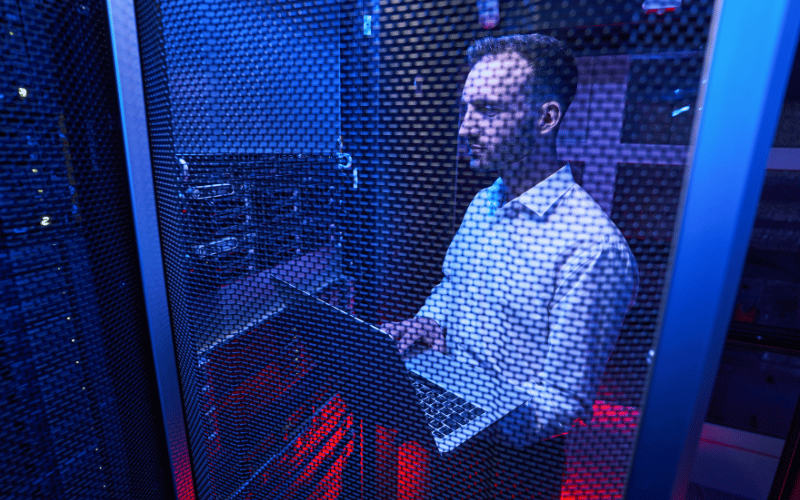
In this era of digitization, organizations are adopting colocation data centers to satisfy their expanding requirements for IT infrastructure. However, what defines a colocation data center? And why is it gaining traction among businesses irrespective of their size? In this blog, we will define colocation and analyze it’s advantages, explaining how it serves as a cost-effective, secure, and scalable solution for data storage and management requirements for businesses.
Understanding Colocation Data Centers
Definition of Colocation
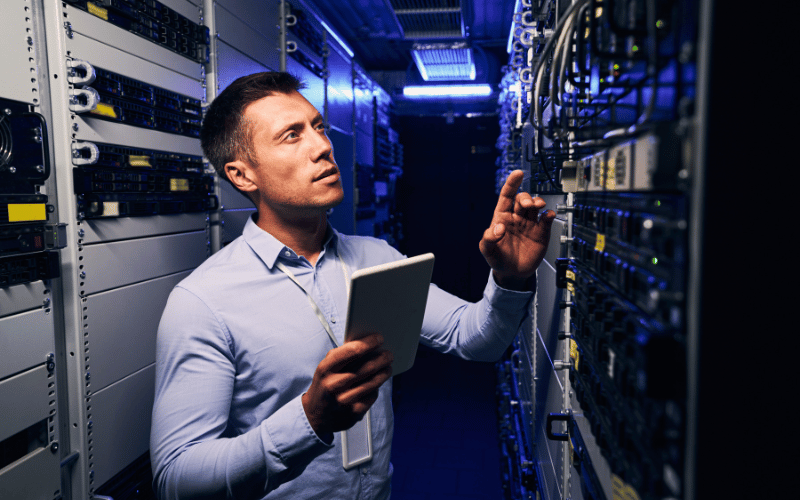
Colocation data centers are proprietary facilities that house a business’s servers, networking equipment, storage devices, and other components. Rather than having an on-premises server room, companies can rent space in these third-party facilities, which provide much-needed infrastructure, power, cooling, and security. Colocation centers offer flexible options from renting single server racks to entire cages. The business requirements will dictate the level of service needed.
Data centers are the backbone of the contemporary digital infrastructure, enabling cloud computing, e-commerce, and enterprise applications. Colocation centers serve multiple clients, whereas enterprise data centers are typically private to a single organization. Colocation centers have shared resources and optimal connectivity. Businesses that leverage colocation can scale their IT infrastructure more effectively by utilizing the resources and expertise of a professional data center provider.
Benefits of Using Colocation Data Centers
-
Cost Efficiency: Colocation eliminates the need for businesses to invest in building and maintaining their own data center infrastructure. By sharing resources like power, cooling, and security with other tenants, companies can significantly reduce operational costs.
-
Scalability: Colocation centers offer flexible options for scaling IT infrastructure. Businesses can easily add or remove server racks as their needs evolve, making it an ideal solution for growing organizations or those with fluctuating demands.
-
Enhanced Security: Colocation facilities are equipped with advanced security measures, including biometric access controls, surveillance cameras, and on-site personnel. These features ensure that servers and data are protected from physical and cyber threats.
-
Reliable Connectivity: Colocation centers provide high-speed internet connections and multiple network redundancies, ensuring consistent uptime and minimal latency. This is particularly important for businesses that rely on real-time data access and communication.
-
Expert Support: Many colocation providers offer additional services, such as remote hands support, monitoring, and maintenance. This allows businesses to leverage the expertise of data center professionals without hiring in-house specialists.
-
Disaster Recovery and Redundancy: Colocation facilities are designed with redundancy in mind, featuring backup power generators, multiple cooling systems, and geographically diverse locations. These features ensure business continuity in the event of power outages or natural disasters.
By utilizing colocation data centers, businesses can focus on their core operations while benefiting from a secure, scalable, and cost-effective IT infrastructure. This makes colocation an attractive option for organizations of all sizes, from startups to large enterprises.
Types of Colocation Services
Retail Colocation
Retail colocation is a service designed for businesses that require a smaller amount of space within a data center. In this model, companies rent individual server racks or a few racks, depending on their needs. This option is ideal for small to medium-sized businesses or startups that want to avoid the high costs of building and maintaining their own data center infrastructure.
One of the key benefits of retail colocation is its flexibility. Businesses can start with a single rack and scale up as their IT requirements grow. The service typically includes access to shared resources such as power, cooling, and network connectivity, which the colocation provider manages. Additionally, retail colocation facilities often offer 24/7 security, monitoring, and support, ensuring that businesses can focus on their operations without worrying about the physical maintenance of their servers.
Retail colocation is particularly beneficial for companies with limited IT staff or expertise, as many providers offer remote hands services to assist with hardware installation, troubleshooting, and maintenance. This makes it a cost-effective and convenient solution for businesses looking to enhance their IT infrastructure without significant upfront investment.

Wholesale Colocation
Wholesale colocation is designed for larger organizations or enterprises that require substantial space and resources within a data center. In this model, businesses lease entire data center suites, cages, or large blocks of space, giving them greater control over their IT environment. Wholesale colocation is ideal for companies with extensive IT infrastructure needs, such as cloud service providers, large enterprises, or government agencies.
One of the primary advantages of wholesale colocation is cost efficiency at scale. By leasing larger spaces, businesses can negotiate lower rates per square foot or rack, making it a more economical option for high-volume operations. Additionally, wholesale colocation often allows for greater customization, enabling companies to tailor the space to their specific requirements, such as power density, cooling configurations, and security measures.
However, wholesale colocation typically requires a higher level of IT expertise and resources, as businesses are responsible for managing their own equipment and operations within the leased space. This makes it a better fit for organizations with dedicated IT teams and the ability to handle the complexities of large-scale infrastructure management.
Hybrid Colocation
Hybrid colocation combines the benefits of traditional colocation services with cloud computing capabilities, offering businesses a flexible and scalable solution for their IT needs. In this model, companies can colocate their physical servers in a data center while also integrating cloud services to support dynamic workloads or specific applications.
One of the key advantages of hybrid colocation is its ability to provide a seamless blend of on-premises and cloud resources. Businesses can maintain control over critical systems and sensitive data by housing them in a secure colocation facility, while leveraging the scalability and cost-efficiency of cloud services for less critical workloads. This approach allows organizations to optimize their IT infrastructure for performance, cost, and security.
Hybrid colocation is particularly beneficial for businesses undergoing digital transformation or those with fluctuating IT demands. For example, companies can use cloud resources to handle seasonal spikes in traffic or temporary projects, while relying on colocated servers for consistent, high-performance operations. Additionally, many colocation providers offer direct connections to major cloud platforms, ensuring low-latency and reliable integration between on-premises and cloud environments.
By offering a balance between control, scalability, and cost efficiency, hybrid colocation is an attractive option for businesses seeking to modernize their IT infrastructure while maintaining the flexibility to adapt to changing needs.
Colocation Data Center Facilities
Infrastructure and Features
Colocation data center facilities are designed to provide businesses with a robust and reliable environment for housing their IT infrastructure. These facilities are equipped with advanced systems to ensure optimal performance, including redundant power supplies, high-capacity cooling systems, and state-of-the-art networking equipment. Redundant power systems, such as uninterruptible power supplies (UPS) and backup generators, ensure continuous operation even during power outages, minimizing downtime for colocated servers.
Cooling systems are another critical feature, as they maintain the ideal temperature and humidity levels required for server performance. Many colocation centers use advanced cooling technologies, such as hot and cold aisle containment or liquid cooling, to enhance efficiency and reduce energy consumption. Additionally, these facilities are equipped with high-speed internet connections and multiple network redundancies to ensure seamless connectivity and low latency for businesses.
Colocation centers also offer flexible space options, ranging from individual server racks to private cages or suites, allowing businesses to scale their infrastructure as needed. Many facilities provide additional services, such as remote hands support, hardware monitoring, and disaster recovery solutions, making them a comprehensive solution for IT infrastructure management.
Data Center Security Measures
Security is a top priority for colocation data centers, as they house critical business data and IT systems. These facilities implement multiple layers of physical and digital security to protect against unauthorized access and cyber threats. Physical security measures often include biometric access controls, keycard systems, and 24/7 surveillance through high-definition cameras. Many centers also employ on-site security personnel to monitor and manage access to the facility.
In addition to physical security, colocation centers prioritize cybersecurity to safeguard data and systems. Firewalls, intrusion detection systems, and regular vulnerability assessments are commonly used to protect against cyberattacks. Some facilities also offer managed security services, such as DDoS protection and real-time threat monitoring, to provide an added layer of defense.
Environmental security is another critical aspect, with colocation centers designed to withstand natural disasters such as earthquakes, floods, and hurricanes. These facilities are often located in low-risk areas and built with reinforced structures to ensure the safety of colocated equipment. By combining physical, digital, and environmental security measures, colocation centers provide a secure environment for businesses to host their IT infrastructure.
Energy Efficiency in Colocation
Energy efficiency is a key focus for modern colocation data centers, as they aim to reduce operational costs and minimize their environmental impact. Many facilities adopt energy-efficient technologies and practices, such as using renewable energy sources, optimizing cooling systems, and implementing power usage effectiveness (PUE) monitoring.
Cooling systems are one of the largest energy consumers in data centers, and colocation facilities often use innovative solutions to improve efficiency. Techniques like free cooling, which leverages outside air to reduce the need for mechanical cooling, and liquid cooling, which transfers heat more effectively than air, are becoming increasingly common.
Renewable energy is another important aspect of energy efficiency. Many colocation providers partner with renewable energy suppliers or install on-site solar panels to power their facilities. This not only reduces carbon emissions but also appeals to businesses looking to meet sustainability goals.
Additionally, colocation centers monitor and optimize their PUE, a metric that measures the energy efficiency of a data center. A lower PUE indicates that more energy is being used for computing rather than overhead functions like cooling. By focusing on energy efficiency, colocation facilities help businesses reduce their environmental footprint while maintaining high-performance IT infrastructure.
Data Center Solutions vs In-House Data Centers
Cost Comparison
When comparing data center solutions, such as colocation or cloud services, to in-house data centers, cost is often a significant factor. Building and maintaining an in-house data center requires substantial upfront investment in infrastructure, including servers, cooling systems, power supplies, and physical space. Additionally, ongoing expenses such as energy consumption, hardware upgrades, and staffing can quickly add up, making in-house solutions a costly endeavor for many businesses.
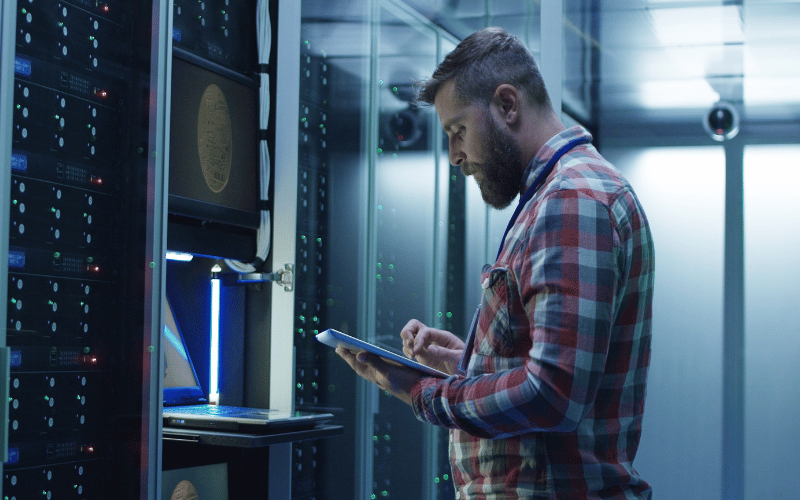
On the other hand, data center solutions like colocation offer a more cost-effective alternative by sharing resources among multiple clients. Businesses only pay for the space and services they need, eliminating the need for large capital expenditures. Colocation providers also handle infrastructure maintenance, power redundancy, and cooling, reducing operational costs for businesses. While colocation involves recurring fees, these are often more predictable and manageable compared to the fluctuating costs of running an in-house facility.
For businesses with limited budgets or those looking to optimize IT spending, data center solutions provide a scalable and financially viable option. By outsourcing infrastructure needs, companies can allocate resources to other critical areas, such as innovation and growth, without compromising on performance or reliability.
Scalability and Flexibility
Scalability is another key consideration when choosing between data center solutions and in-house facilities. In-house data centers often face limitations in terms of space, power, and cooling capacity, making it challenging to scale up as business needs grow. Expanding an in-house facility requires significant time and investment, including purchasing additional hardware, upgrading infrastructure, and potentially expanding physical space.
Data center solutions, however, are designed to offer unparalleled scalability and flexibility. Colocation providers allow businesses to easily add or reduce server racks based on their requirements, ensuring that IT infrastructure can adapt to changing demands. This is particularly beneficial for businesses experiencing rapid growth or seasonal fluctuations in workload.
Additionally, many data center providers offer hybrid solutions that combine colocation with cloud services, enabling businesses to leverage the scalability of the cloud for dynamic workloads while maintaining control over critical systems in a colocated environment. This flexibility ensures that businesses can optimize their IT infrastructure for both performance and cost-efficiency, regardless of their size or industry.
Management and Maintenance
Managing and maintaining an in-house data center requires a dedicated team of IT professionals to handle tasks such as hardware installation, troubleshooting, and system monitoring. This not only increases staffing costs but also places a significant burden on internal resources, diverting attention from core business activities. Furthermore, in-house facilities must stay up-to-date with the latest technologies and security measures, which can be both time-consuming and expensive.
In contrast, data center solutions like colocation shift the responsibility of infrastructure management to the provider. Colocation facilities are staffed with experienced professionals who handle maintenance, monitoring, and security, ensuring that systems operate efficiently and securely. Many providers also offer additional services, such as remote hands support and disaster recovery, further reducing the management burden on businesses.
By outsourcing these responsibilities, businesses can focus on their strategic goals rather than the complexities of IT infrastructure management. This not only improves operational efficiency but also ensures that systems are maintained to the highest standards, minimizing downtime and enhancing overall performance. For companies seeking a hassle-free approach to IT infrastructure, data center solutions provide a reliable and cost-effective alternative to in-house facilities.
Choosing the Right Colocation Data Center
Assessing Data Center Needs
Before selecting a colocation data center, it’s essential to evaluate your organization’s specific IT requirements. Start by identifying the amount of space, power, and cooling your infrastructure will need. This includes determining the number of server racks, the power density required for your equipment, and the cooling capacity necessary to maintain optimal performance. Additionally, consider your future growth plans to ensure the facility can accommodate scaling needs without significant disruptions.
Connectivity is another critical factor. Assess your bandwidth requirements and ensure the data center offers high-speed internet connections with multiple redundancies to minimize latency and downtime. If your business relies on cloud services, look for facilities that provide direct connections to major cloud platforms for seamless integration.
Location is equally important when assessing your needs. Choose a colocation center that is geographically convenient for your team, especially if you anticipate frequent visits for hardware maintenance. At the same time, consider factors like natural disaster risks and proximity to your end-users to ensure reliability and low latency.

Evaluating Colocation Providers
Once you’ve assessed your needs, the next step is to evaluate potential colocation providers. Start by examining the facility’s infrastructure and capabilities. Look for features like redundant power systems, advanced cooling technologies, and robust security measures. A reliable colocation provider should offer 24/7 monitoring, biometric access controls, and surveillance to protect your equipment and data.
Reputation and experience are also key indicators of a provider’s reliability. Research customer reviews, case studies, and industry certifications to gauge their track record. Certifications such as ISO 27001, SOC 2, and PCI DSS demonstrate a commitment to security and operational excellence. Additionally, inquire about the provider’s uptime guarantees and service level agreements (SLAs) to ensure they meet your performance expectations.
Support services can make a significant difference in your colocation experience. Evaluate whether the provider offers remote hands support, hardware troubleshooting, and disaster recovery solutions. These services can save time and resources, especially for businesses with limited IT staff. Finally, consider the provider’s scalability options to ensure they can accommodate your growth without requiring a costly migration to another facility.
Understanding Colocation Contracts
Before signing a colocation contract, it’s crucial to understand the terms and conditions to avoid unexpected costs or limitations. Start by reviewing the pricing structure, which typically includes charges for space, power, and bandwidth. Ensure you understand how these costs are calculated and whether there are additional fees for services like remote hands or hardware installation.
Pay close attention to the contract’s duration and renewal terms. While long-term contracts may offer cost savings, they can also limit flexibility if your needs change. Look for providers that offer flexible terms or the option to scale services without penalties.
Another critical aspect is the SLA, which outlines the provider’s commitments to uptime, support response times, and issue resolution. Ensure the SLA includes clear penalties for failing to meet these guarantees, as this can provide leverage in case of service disruptions.
Finally, review the exit terms and conditions. Understand the process for terminating the contract, including any associated fees or requirements for removing your equipment. A transparent and fair exit policy is essential to avoid complications if you decide to switch providers in the future.
By carefully assessing your needs, evaluating providers, and understanding contract terms, you can select a colocation data center that aligns with your business goals and ensures reliable, scalable IT infrastructure.
Future Trends in Colocation Data Centers
Impact of Cloud Services
The rise of cloud computing has significantly influenced the evolution of colocation data centers. As businesses increasingly adopt hybrid IT strategies, colocation facilities are adapting to integrate seamlessly with cloud platforms. Many colocation providers now offer direct cloud connectivity, enabling businesses to establish low-latency, high-speed links to major cloud service providers like AWS, Microsoft Azure, and Google Cloud. This integration allows companies to leverage the scalability and flexibility of the cloud while maintaining control over critical systems housed in colocation facilities.
Additionally, the demand for multi-cloud strategies is driving colocation providers to enhance their network infrastructure. Businesses are seeking colocation centers that can support connections to multiple cloud platforms, ensuring redundancy and flexibility in their IT operations. This trend is reshaping the role of colocation facilities, positioning them as key enablers of hybrid and multi-cloud environments.
Emerging Technologies in Data Centers
Emerging technologies are transforming the way colocation data centers operate, making them more efficient, secure, and adaptable. One of the most significant advancements is the adoption of artificial intelligence (AI) and machine learning for data center management. AI-powered tools can monitor and optimize energy usage, predict equipment failures, and enhance cooling efficiency, reducing operational costs and improving reliability.
Another key innovation is the use of liquid cooling systems, which are more efficient than traditional air-based cooling methods. Liquid cooling not only reduces energy consumption but also allows for higher server density, enabling colocation facilities to maximize their space.
The implementation of edge computing is also gaining traction, with colocation providers establishing smaller, decentralized facilities closer to end-users. These edge data centers reduce latency and improve performance for applications like IoT, autonomous vehicles, and real-time analytics. As demand for edge computing grows, colocation providers are expanding their footprint to support these emerging use cases.
Colocation Data Center Strategies for Growth
To remain competitive in a rapidly evolving market, colocation data centers are adopting strategies focused on scalability, sustainability, and customer-centric services. One key strategy is the expansion of global footprints, with providers establishing facilities in strategic locations to meet the growing demand for low-latency services. By offering geographically diverse options, colocation centers can cater to businesses with global operations or those seeking disaster recovery solutions.
Sustainability is another critical focus area. Colocation providers are investing in renewable energy sources and energy-efficient technologies to reduce their carbon footprint. Many facilities are now powered by solar, wind, or hydroelectric energy, appealing to businesses with sustainability goals. Additionally, providers are implementing advanced cooling systems and energy monitoring tools to optimize power usage effectiveness (PUE).
Customer-centric services are also driving growth. Colocation providers are offering customized solutions, such as private cages, hybrid cloud integration, and managed services, to meet the unique needs of their clients. Enhanced support options, including 24/7 remote hands and real-time monitoring, ensure that businesses can rely on their colocation partners for seamless operations.
By embracing these strategies and leveraging emerging technologies, colocation data centers are positioning themselves as essential components of the modern IT landscape, capable of supporting businesses in an increasingly digital and interconnected world.
Frequently Asked Questions
Q: What are colocation data centers?
A: Colocation data centers are facilities where businesses can rent space to house their servers and IT equipment. These centers provide essential infrastructure, such as power, cooling, and physical security, ensuring that servers operate efficiently and reliably without the need for businesses to maintain their own data centers.
Q: How do colocation facilities ensure reliability?
A: Colocation facilities ensure reliability by implementing redundant systems for power and internet connectivity. They use backup generators, uninterruptible power supplies (UPS), and multiple network connections to prevent downtime. These measures help maintain high uptime and ensure uninterrupted operations for tenants.
Q: What security measures are in place at a colocation data center?
A: Colocation data centers employ robust security measures, including 24/7 surveillance cameras, biometric or keycard access controls, and fire suppression systems. These physical and environmental safeguards protect servers and data from unauthorized access, theft, and potential hazards.
Q: What are the benefits of using a colocation data center?
A: Colocation data centers offer several benefits, including cost savings on infrastructure, enhanced reliability, and improved physical security. By renting space in a colocation facility, businesses can focus on their core operations while relying on the provider for maintenance, power, cooling, and security.
Q: Can I use a hybrid cloud colocation strategy?
A: Yes, many businesses adopt a hybrid cloud colocation strategy, combining on-premises infrastructure with cloud services. This approach allows companies to manage data storage flexibly, leveraging the scalability of the cloud while maintaining control over critical systems in a colocation facility.
Q: What types of data can be stored in colocation centers?
A: Colocation centers can store a wide range of data, including sensitive business information, customer records, application data, and backups. These facilities are designed to support diverse data management needs, offering secure and reliable environments for various types of information.
Q: How do I choose the right colocation data center?
A: To choose the right colocation data center, consider factors such as location, security measures, available bandwidth, and the range of services offered. Evaluate the facility’s infrastructure, scalability options, and uptime guarantees to ensure it aligns with your business requirements and future growth plans.
Q: What are the costs associated with colocation data centers?
A: Costs for colocation data centers typically include rent for space, power usage, and fees for additional services like bandwidth, remote hands support, and enhanced security. Comparing these costs to the benefits, such as reduced infrastructure expenses and improved reliability, can help determine the overall value for your business.
Conclusion
Colocation data centers offer businesses a powerful combination of security, scalability, and cost-efficiency. By housing your IT infrastructure in a professionally managed facility, you can focus on your core operations while ensuring your data is safe, accessible, and supported by cutting-edge technology. Whether you’re a small business or a large enterprise, colocation is a smart investment in the future of your IT strategy. Explore your options today and unlock the potential of colocation for your business.
